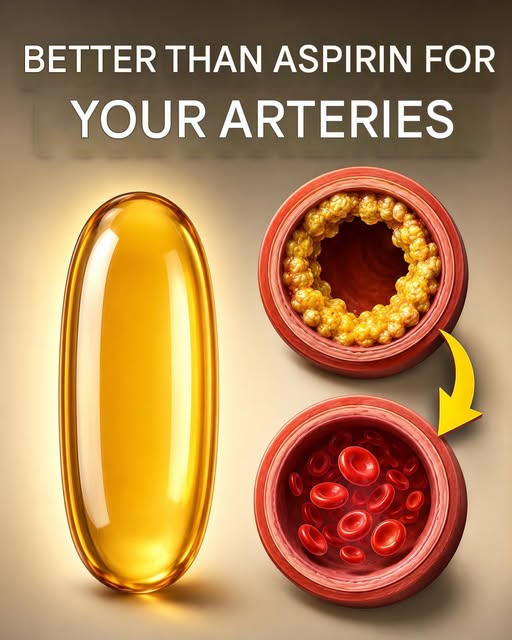
If by “clogged arteries” you mean atherosclerosis or coronary artery disease, there is no single natural food that can literally clean out an artery like a drain. However, the right dietary pattern can lower LDL (“bad”) cholesterol, reduce inflammation and cardiovascular risk, and in some circumstances help slow or partially regress plaque over time.
The best overall approach: a Mediterranean-style diet
The strongest practical choice is a Mediterranean-style, minimally processed diet built around vegetables, fruits, beans, whole grains, nuts, seeds, fish and unsaturated plant oils. The American Heart Association’s updated 2026 guidance supports this general pattern for cardiovascular health.
Foods I would prioritize
- Oats and barley
- Rich in soluble fiber, particularly beta-glucan.
- Soluble fiber can help reduce LDL cholesterol.
- Try oatmeal or barley several times per week.
- Beans, lentils and chickpeas
- Excellent sources of soluble and insoluble fiber.
- They can replace some red or processed meat in meals.
- Examples: lentil soup, chickpea salad, black beans or kidney beans.
- Vegetables—especially leafy greens
- Spinach, kale, broccoli, Brussels sprouts, cabbage and other vegetables provide fiber and a wide range of protective nutrients.
- Make vegetables the largest portion of many meals.
- Nuts
- Walnuts, almonds, pistachios and other unsalted nuts provide unsaturated fats, fiber and other nutrients.
- A small handful is generally a good serving; choose unsalted varieties rather than sugar-coated or heavily salted nuts.
- AHA guidance specifically includes nuts as part of a heart-healthy diet.
- Fatty fish
- Salmon, sardines, trout, herring and mackerel provide omega-3 fats.
- Replacing some red/processed meat with fish is a heart-healthier pattern.
- Extra-virgin olive oil
- Use it instead of butter, shortening or other sources high in saturated fat.
- It provides predominantly monounsaturated fat and fits well into a Mediterranean dietary pattern.
- Fruit
- Berries, apples, oranges, pears and other whole fruits provide fiber and plant compounds.
- Whole fruit is preferable to fruit juice because you retain the fiber.
- Whole grains
- Oats, barley, whole-wheat bread/pasta, brown rice and other minimally processed whole grains are preferable to refined grains.
- The 2026 AHA guidance specifically recommends choosing mostly whole grains rather than refined grains.
- Avocado
- Provides predominantly unsaturated fat and can replace butter, cheese or other saturated-fat sources.
Foods to substantially reduce
For someone concerned about arterial plaque, what you replace unhealthy foods with is extremely important.
Try to minimize:
- Bacon, sausage, hot dogs and other processed meats
- Fatty red meat
- Butter and foods made with large amounts of butter
- Full-fat dairy in large quantities
- Deep-fried foods
- Trans fats
- Highly processed foods
- Sugary drinks and sweets
- White bread and other refined carbohydrates
- Excessive salt/sodium
Saturated fat can raise LDL cholesterol, while replacing saturated fat with unsaturated fats can improve cardiovascular risk.
A simple “artery-friendly” day
Breakfast:
Oatmeal + berries + walnuts + ground flaxseed
Lunch:
Large salad with spinach/greens, chickpeas or lentils, vegetables, avocado and extra-virgin olive oil
Snack:
An apple or berries + a small handful of unsalted nuts
Dinner:
Grilled salmon or sardines + vegetables + barley or another whole grain
Drinks:
Water, unsweetened tea or coffee rather than sugary beverages.
This is much more likely to help than taking one particular “artery-cleansing” food or drink. The AHA emphasizes the overall dietary pattern, not a miracle ingredient.
One important point
If you have known blocked coronary arteries, a high LDL level, a previous heart attack/stent/bypass, chest pain, or diagnosed coronary artery disease, don’t rely on food alone. Diet is an important part of treatment, but medications such as statins may be needed to substantially reduce LDL and cardiovascular risk. Diet should complement—not replace—your prescribed treatment.
If you tell me your age, sex, whether you have high cholesterol/diabetes/high blood pressure, and whether a doctor has actually found artery blockage, I can give you a detailed 7-day artery-friendly meal plan with exact foods and portions.