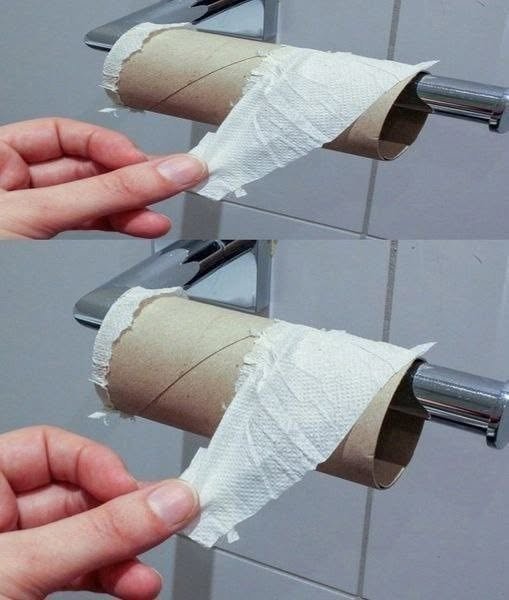
The idea of the “end of toilet paper rolls” refers to several new technologies and products that aim to reduce waste, improve hygiene, or eliminate the need for traditional toilet paper. While conventional toilet paper is unlikely to disappear completely anytime soon, a number of alternatives are becoming more popular.
1. Bidets and Washlets (The Biggest Competitor)
Bidet and electronic washlets clean with a stream of water instead of relying solely on paper.
Advantages
- Cleans more effectively than dry toilet paper.
- Reduces toilet paper use by 70–90%.
- Gentler on sensitive skin.
- Saves trees and reduces paper waste.
- Can lower long-term household costs despite a higher upfront price.
Disadvantages
- Installation cost can range from about $30 for simple attachments to over $1,000 for premium smart models.
- Requires access to water, and some models also need electricity.
Many countries, including Japan, South Korea, and parts of Europe, have widely adopted bidets.
2. Foam and Gel Toilet Tissue
Some companies are developing cleansing foams or gels that are applied to a small amount of toilet paper.
Benefits
- Better cleaning than dry paper alone.
- Less paper required.
- More comfortable for people with skin irritation.
This approach supplements rather than replaces toilet paper.
3. Reusable Toilet Cloths (“Family Cloth”)
Some environmentally conscious households use washable cloth wipes.
Pros
- Virtually eliminates paper waste.
- Can save money over time.
Cons
- Requires careful washing and hygiene practices.
- Not widely accepted culturally.
- Separate storage and laundering are necessary.
4. Dissolvable and Sustainable Toilet Paper
Manufacturers are producing toilet paper made from:
- Bamboo
- Recycled paper
- Agricultural waste (such as sugarcane byproducts)
- Straw fibers
These products:
- Require fewer trees.
- Often break down more easily in plumbing and wastewater systems.
- Can have a lower environmental footprint than conventional wood-pulp paper.
5. Compressed Toilet Paper Tablets
Small, coin-shaped tablets expand into wipes when water is added.
Uses
- Travel
- Camping
- Emergency kits
- Outdoor activities
They are convenient but are not intended to fully replace home toilet paper.
6. Smart Toilets
Smart toilet often include:
- Built-in bidet functions
- Warm-water washing
- Warm-air drying
- Heated seats
- Automatic flushing
- Self-cleaning nozzles
- Deodorizing systems
Many users need little or no toilet paper after washing and drying.
7. Antimicrobial or Moist Toilet Wipes
Flushable or biodegradable wet wipes offer improved cleaning.
However:
- Many “flushable” wipes do not break down as quickly as toilet paper.
- They can contribute to clogged pipes and sewer blockages if they are not truly sewer-safe.
8. Air-Drying Technology
Some advanced toilets combine washing with warm-air drying, eliminating the need for paper altogether.
This technology is common in high-end homes, hotels, and airports in some countries.
Environmental Impact
Traditional toilet paper production has significant environmental costs:
- Millions of trees are harvested annually for virgin pulp.
- Manufacturing uses large amounts of water and energy.
- Transportation and packaging contribute to carbon emissions.
Alternatives such as bidets, bamboo paper, and recycled paper can reduce these impacts, although each has its own environmental trade-offs.
Will Toilet Paper Rolls Disappear?
Probably not in the near future. Instead, experts expect a gradual shift toward a combination of:
- Water-based cleaning (bidets and smart toilets).
- More sustainable paper products (recycled and bamboo).
- Reduced paper use rather than complete elimination.
In many parts of the world, traditional toilet paper will likely remain common for years because it is inexpensive, familiar, and easy to use. However, growing interest in sustainability and hygiene is driving increased adoption of alternatives that use much less paper or, in some cases, none at all.