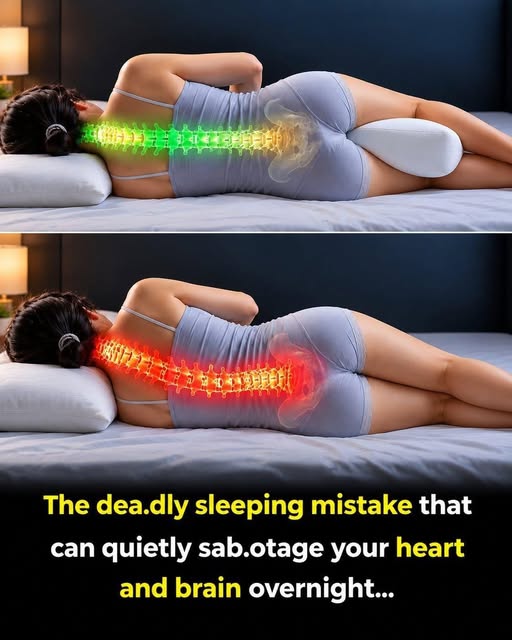
The Hidden Danger of This Sleep Mistake for Your Heart and Brain
Sleep is not just a time for rest. It is an essential process that helps regulate your blood pressure, maintain heart health, repair tissues, strengthen memory, and keep your brain functioning properly.
One of the most harmful sleep mistakes is consistently getting too little sleep, sleeping at irregular times, or ignoring a sleep disorder such as sleep apnea. These problems can affect both the heart and the brain, sometimes without obvious warning signs.
However, the risk depends on the specific sleep habit, how often it occurs, your overall health, and how long it continues. One bad night of sleep is usually not dangerous for an otherwise healthy person; the greater concern is a persistent pattern.
1. What is the sleep mistake, and why can it be dangerous?


There is not just one sleep mistake that harms the heart and brain. Three particularly important problems are:
-
Sleeping too little: Regularly getting fewer than seven hours of sleep as an adult.
-
Sleeping irregularly: Frequently changing bedtime and wake-up times, particularly when work or other demands disrupt your body’s internal clock.
-
Ignoring sleep apnea: Repeatedly stopping or reducing breathing during sleep without recognizing or treating the problem.
The American Heart Association identifies sleep duration, quality, regularity, timing, and sleep disorders as important aspects of overall cardiovascular health.
2. How poor sleep affects your heart

A. Blood pressure may remain too high
Normally, blood pressure decreases during sleep, allowing the heart and blood vessels to recover from the demands of the day.
When sleep is consistently insufficient or repeatedly interrupted:
-
The nervous system may remain more activated than it should.
-
Stress hormones and other regulatory systems can interfere with normal blood pressure control.
-
Blood pressure may fail to fall adequately overnight.
-
Over time, persistent high blood pressure increases the risk of heart disease and stroke.
High blood pressure often causes no noticeable symptoms. That means a person can have a sleep-related risk factor without feeling unwell.
B. The risk of heart rhythm problems may increase
The heart relies on electrical signals to maintain a steady rhythm. Poor sleep and sleep disorders are associated with a higher risk of certain rhythm abnormalities, including atrial fibrillation (AFib).
AFib causes an irregular heartbeat and can allow blood clots to form, increasing the risk of stroke.
This does not mean that one night of poor sleep will cause AFib. The concern is the relationship between ongoing sleep problems and cardiovascular risk over time.
C. Blood sugar and metabolism can be affected
Insufficient sleep can interfere with the way the body responds to insulin, the hormone that helps move glucose from the blood into cells.
With persistent sleep deficiency, this may contribute to:
-
Higher blood glucose levels.
-
Increased risk of insulin resistance and type 2 diabetes.
-
Changes in appetite and hunger signals.
-
Weight gain in some people.
Diabetes, high blood pressure, and excess body weight are all important risk factors for cardiovascular disease.
D. Sleep apnea puts additional strain on the heart

Obstructive sleep apnea occurs when the upper airway repeatedly narrows or closes during sleep, reducing or temporarily stopping airflow.
Each episode can cause oxygen levels to fall and briefly awaken the brain, sometimes without the person remembering it.
Repeated episodes can produce:
-
Fluctuations in oxygen levels.
-
Sudden changes in heart rate and blood pressure.
-
Increased stress on the cardiovascular system.
-
Greater risk of high blood pressure and other cardiovascular complications.
Loud snoring, witnessed pauses in breathing, gasping during sleep, morning headaches, and daytime sleepiness are possible warning signs. Not everyone with sleep apnea snores, however.
3. How poor sleep affects your brain

The brain needs sufficient, good-quality sleep to support attention, memory, emotional regulation, and normal nervous system function.
A. Memory and concentration can suffer
During sleep, the brain processes and consolidates information gathered during the day.
When you repeatedly get insufficient sleep, you may experience:
-
Forgetfulness and difficulty learning new information.
-
Reduced attention and concentration.
-
Slower reaction times.
-
Difficulty making decisions.
-
Irritability and reduced emotional control.
Even if you feel that you have adapted to sleeping less, your reaction time and performance can still be impaired.
B. The risk of stroke may increase
Poor sleep is associated with several stroke risk factors, particularly high blood pressure, diabetes, and cardiovascular disease.
Some sleep disorders, including sleep apnea, are also associated with a greater risk of stroke and other problems affecting the brain’s blood vessels.
A stroke happens when blood flow to part of the brain is blocked or when a blood vessel bleeds. Sleep problems are only one part of this picture; age, smoking, cholesterol, diabetes, genetics, and other conditions also matter.
C. Long-term cognitive health may be affected
Research has found associations between disturbed sleep, sleep-disordered breathing, and cognitive decline, including dementia-related outcomes.
Possible contributing factors include repeated oxygen drops, fragmented sleep, changes in blood vessel health, and disrupted brain processes.
Important distinction: These associations do not prove that poor sleep alone causes Alzheimer’s disease or that correcting sleep will prevent dementia. Research is ongoing to understand how much improving sleep can change long-term brain health.
4. What happens when you repeat the mistake for months or years?
The effects depend on how severe the sleep problem is and whether other health conditions are present.
Short term: days to weeks
-
Fatigue and daytime sleepiness.
-
Poor concentration and memory.
-
Irritability and reduced alertness.
-
Potential temporary changes in blood pressure and glucose regulation.
Long term: months to years
-
Greater likelihood of persistent high blood pressure.
-
Increased risk of metabolic problems and cardiovascular disease.
-
Potentially greater risk of stroke and heart rhythm disorders.
-
Ongoing difficulties with attention, mood, and cognitive function.
These are possible outcomes, not a prediction of what will happen to any individual. The evidence is strongest for the relationship between insufficient or disturbed sleep and cardiovascular risk factors. The precise causal contribution of each sleep pattern is still being studied.
5. How many hours should you sleep?
The recommended amount varies by age.
|
Age group |
Recommended sleep |
|---|---|
|
Children 6–12 years |
9–12 hours |
|
Teenagers 13–18 years |
8–10 hours |
|
Adults 18 years and older |
7–9 hours |
Source: National Heart, Lung, and Blood Institute.
For most adults, aim for seven to nine hours of sleep each night. Quality and consistency matter too: sleeping for eight hours but waking repeatedly because of breathing difficulties may not provide adequate restorative sleep.
6. Seven practical ways to protect your heart and brain

1. Keep a consistent sleep schedule
Go to bed and wake up at approximately the same time every day, including weekends. A regular schedule helps coordinate your body’s internal clock.

2. Reduce screen use before bed
Dim lights and put away stimulating devices before bedtime if they interfere with your ability to relax or fall asleep.

3. Make your bedroom comfortable
Keep the room dark, quiet, and comfortably cool. Reduce interruptions that repeatedly wake you.

4. Get daylight and exercise
Spend time outdoors during the day and engage in regular physical activity. These habits support healthy sleep and cardiovascular health.

5. Avoid late caffeine and alcohol near bedtime
Caffeine can delay sleep, while alcohol may fragment sleep even if it initially makes you feel sleepy.

6. Monitor your cardiovascular health
Check your blood pressure as recommended and manage conditions such as diabetes and high cholesterol with your healthcare professional.

7. Do not ignore persistent sleep problems
If you regularly snore loudly, gasp during sleep, wake up choking, or feel excessively sleepy during the day, ask a healthcare professional whether you need an evaluation for sleep apnea or another sleep disorder.
These measures align with sleep-health recommendations from the CDC and the National Institutes of Health.
7. Warning signs that require urgent medical attention
Do not assume that every symptom is caused by poor sleep.
-
Possible heart attack: chest pressure or pain, shortness of breath, cold sweats, or pain spreading to the arm, back, neck, or jaw. Seek emergency medical care.
-
Possible stroke: sudden facial drooping, weakness or numbness on one side, difficulty speaking, sudden vision problems, or loss of balance. Call emergency services immediately, even if symptoms disappear.
-
Severe daytime sleepiness: do not drive or operate machinery when you are struggling to stay awake.
If you are in the United States, call 911 for suspected heart attack or stroke symptoms.
8. The most important takeaway
Your heart and brain depend on sleep for normal functioning. The goal is not simply to spend more time in bed, but to get enough restorative sleep at regular times and address conditions that interrupt breathing or sleep quality.
For most adults, a practical starting point is seven to nine hours of sleep, a consistent schedule, and prompt evaluation of persistent sleep problems. Healthy sleep supports heart and brain health, but it cannot replace other preventive measures such as blood pressure control, physical activity, and a balanced diet.
One important question
When you say “this sleep mistake,” are you referring to a particular habit or a specific article or video? The title alone doesn’t identify the exact mistake.
Choose the topic you want explained in greater detail.
Your age group (optional)