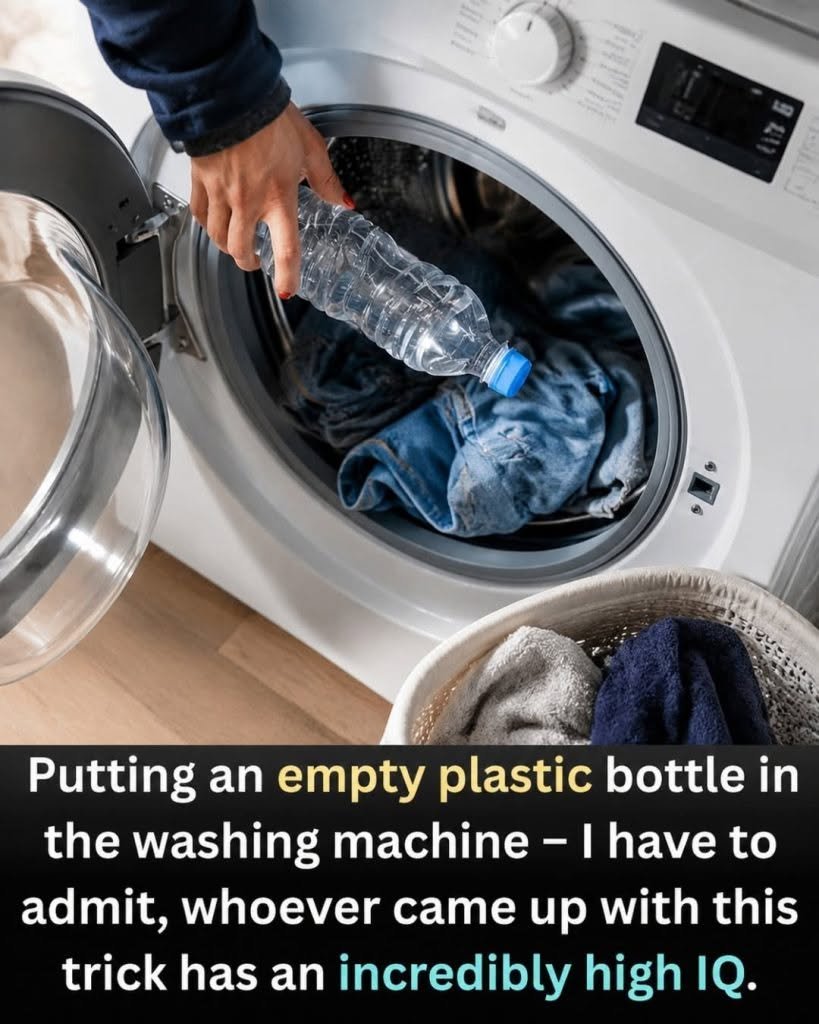
The title “The Plastic Bottle Sitting in Your Bin? It’s Way More Useful Than You Think” suggests that an ordinary discarded plastic bottle may have many valuable uses instead of simply becoming waste. Here is the idea explained in detail:
1. Plastic bottles are a valuable material, not just trash
Most plastic bottles are made from PET (polyethylene terephthalate), a strong, lightweight, and recyclable plastic. When thrown away, they can remain in the environment for hundreds of years. However, if collected properly, they can be transformed into useful new products.
A single plastic bottle can become:
- New bottles and food containers
- Clothing fibers (such as polyester fabric)
- Carpets and blankets
- Bags and backpacks
- Construction materials
- Furniture and household items
Recycling gives the plastic a second life instead of allowing it to pollute land and oceans.
2. Turning bottles into clothing
One of the most surprising uses of plastic bottles is making fabric.
The process works like this:
- Used bottles are collected.
- They are cleaned and separated by plastic type.
- The bottles are crushed into small flakes.
- The flakes are melted and turned into plastic fibers.
- These fibers are spun into yarn.
- The yarn is used to make polyester clothing.
A large number of sportswear companies use recycled PET to create jackets, shoes, shirts, and athletic clothing.
3. Plastic bottles can help build homes
Recycled plastic can also be used in construction.
Examples include:
- Plastic bricks
- Roofing materials
- Insulation panels
- Plastic lumber
- Road construction materials
In some places, plastic waste is mixed with other materials to create stronger and cheaper building products.
Some communities even fill bottles with non-recyclable waste and use them as “eco-bricks” for walls and structures.
4. DIY and household uses
A plastic bottle can be reused at home in creative ways:
Gardening
- Plant pots
- Vertical gardens
- Watering systems
- Seed starters
Storage
- Containers for small items
- Pencil holders
- Tool organizers
Household projects
- Bird feeders
- Decorative items
- Simple irrigation systems
These uses reduce the need to buy new plastic products.
5. Plastic bottles can become energy
Some plastics can be processed through technologies that recover energy from waste. Instead of ending up in landfills, plastic may be converted into:
- Heat
- Electricity
- Fuel-like products
However, recycling is usually preferred because it keeps materials in use longer.
6. Environmental benefits
Using plastic bottles again or recycling them can reduce:
Less pollution
Fewer bottles end up in rivers, oceans, and wildlife habitats.
Lower demand for new plastic
Recycling reduces the need to extract and process new petroleum-based materials.
Reduced greenhouse gas emissions
Producing items from recycled plastic often uses less energy than making them from new plastic.
Cleaner communities
Proper waste collection keeps streets and public areas cleaner.
7. Why many bottles still get wasted
Despite their value, many plastic bottles are lost because of:
- Poor waste collection systems
- Lack of recycling facilities
- Mixing plastic with other garbage
- Contamination from food or liquids
- Low public awareness
A bottle thrown into ordinary trash may never be recovered.
8. What you can do with a plastic bottle
Before throwing away a bottle:
- Empty it completely.
- Rinse it if possible.
- Remove caps if your local recycling system requires it.
- Put it in the correct recycling container.
- Reuse it safely when appropriate.
The bigger message
A plastic bottle is not just waste—it is a resource waiting to be recovered. With proper recycling and creative reuse, the bottle sitting in your bin can become clothing, building materials, new products, or useful household items. The real value of plastic depends on what happens after we use it.