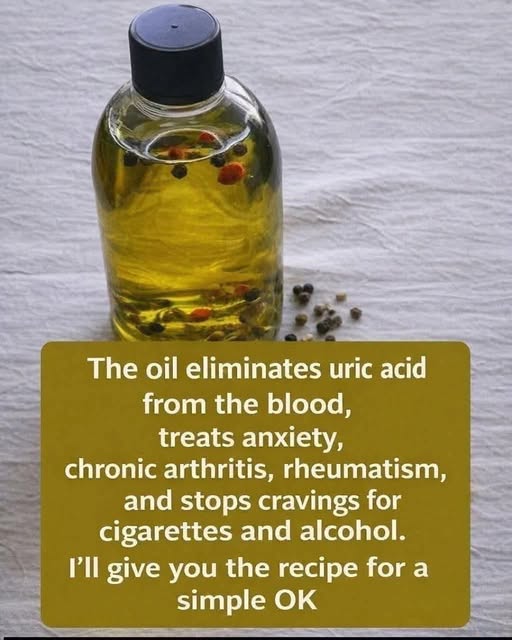
The Powerful Anti-Inflammatory Oil: Benefits, Recipe & Safe Usage Guide
Anti-inflammatory oils are natural oils that may help support the body’s response to inflammation, nourish the skin, and provide beneficial fatty acids or plant compounds. Some oils are used in cooking, while others are applied to the skin or used in massage.
The most important thing to know: there is no single oil that cures inflammation. The best choice depends on whether you want to support joint health, improve skin dryness, soothe sore muscles, or add anti-inflammatory nutrients to your diet.
1. Which oil is the most powerful for inflammation?

1. Extra-virgin olive oil
Best all-round dietary choice
-
Contains oleic acid and polyphenols, including oleocanthal.
-
May help support a healthy inflammatory response when used regularly as part of a Mediterranean-style diet.
-
Useful for salads, vegetables, beans, and moderate-heat cooking.

2. Flaxseed oil
-
Rich in alpha-linolenic acid (ALA), a plant-based omega-3 fatty acid.
-
Can help increase dietary omega-3 intake.
-
Best used cold, such as in salad dressings or smoothies; it is not suitable for high-heat frying.

3. Black seed oil
-
Made from Nigella sativa seeds and contains thymoquinone.
-
Preliminary research suggests possible anti-inflammatory effects, but evidence for treating specific diseases remains limited.
-
May interact with medicines, so medicinal use deserves extra caution.

4. Turmeric-infused oil
-
A culinary or topical preparation made by infusing turmeric in a carrier oil.
-
Turmeric contains curcumin, a compound studied for its effects on inflammatory pathways.
-
An infused oil is not equivalent to a concentrated curcumin supplement, and the amount extracted can vary substantially.

5. Lavender essential oil
-
Primarily used in diluted massage oils and aromatherapy.
-
May help some people relax, but evidence that it directly treats inflammation or joint disease is limited.
-
Must be diluted before skin application and should not be swallowed.
These oils are not interchangeable. Olive and flaxseed oils are dietary oils, black seed oil is used both traditionally and as a supplement, and essential oils such as lavender are highly concentrated products intended for specific uses.
2. Main benefits of anti-inflammatory oils
A. May support joint health
Some dietary oils can contribute to a healthier overall dietary pattern, which may help manage inflammation-related risk factors. Extra-virgin olive oil is a practical everyday choice, while omega-3-rich foods such as fatty fish can complement it.
-
May support joint health as part of a balanced diet.
-
May help improve certain cardiovascular risk markers.
-
Should not be expected to reverse arthritis, repair damaged cartilage, or replace prescribed treatment.
Research on olive oil supports its potential benefits when it is part of a healthy dietary pattern, although the effects of olive oil alone are difficult to separate from those of the entire diet.
B. May help support skin hydration
Oils such as olive oil and sunflower seed oil can reduce moisture loss from the skin by forming a protective layer.
-
May soften dry, rough skin.
-
Can help reduce water loss when used as an emollient.
-
May be useful for massage on intact skin.
However, hydrating the skin is not the same as treating inflammation. Some oils can irritate sensitive skin, and olive oil may not be suitable for every person with eczema or a damaged skin barrier.
C. Provides antioxidant compounds
Extra-virgin olive oil contains polyphenols and other compounds that help protect cells from oxidative damage in laboratory studies. Oleocanthal is one of the compounds studied for its effects on inflammatory pathways.
These findings are promising, but the activity of a compound in laboratory experiments does not mean that consuming or applying the oil will produce the same effect in the human body.
D. May support a healthier dietary pattern
Replacing some butter or other saturated fats with unsaturated plant oils can be a useful dietary change for many people. The benefit is greatest when the overall diet also includes vegetables, fruits, beans, nuts, whole grains, and appropriate sources of protein.
E. May provide soothing massage
A plain carrier oil can make massage more comfortable by reducing friction. Massage may temporarily ease muscle tension and discomfort, but there is insufficient evidence that a homemade herbal oil can treat the underlying cause of persistent pain.
3. Homemade anti-inflammatory oil recipe
Here is a practical recipe using olive oil and turmeric. It is designed primarily as a culinary oil, rather than as a medicinal treatment.

Turmeric, ginger and olive oil blend
Preparation: 5 minutes · Makes approximately 4 servings
Purpose: Flavorful cooking and salad dressing
Ingredients
Instructions
-
Pour the olive oil into a clean, dry bowl.
-
Whisk in the turmeric and ginger until evenly dispersed.
-
Add the optional pepper, lemon juice and salt.
-
Drizzle over cooked vegetables, lentils, beans or a salad.
Storage: For the simplest and safest approach, prepare only what you need and use it immediately. If you add fresh ingredients, do not leave the mixture sitting at room temperature.
Why these ingredients?
-
Olive oil: Provides monounsaturated fat and polyphenols.
-
Turmeric: Contains curcumin, which has been studied for potential anti-inflammatory effects.
-
Ginger: Contains gingerols and related compounds studied for their biological effects.
-
Black pepper: Contains piperine, which can increase curcumin absorption. Greater absorption is not always better, however, because piperine can also alter how certain medicines are processed.
The recipe is a food preparation, not a standardized medicinal dose. Evidence for turmeric and curcumin supplements is still limited for many conditions, and some highly bioavailable supplements have been associated with liver injury.
4. How to use anti-inflammatory oils safely
The right method depends on whether you want to consume the oil or apply it to your skin.

For dietary use
-
Use olive oil in salad dressings, vegetables, soups or cooked meals.
-
Start with normal food portions rather than concentrated medicinal doses.
-
Use flaxseed oil cold and store it according to the label.
-
Remember that oils are calorie-dense, so consider the amount in your overall diet.

For skin or massage
-
Use a plain, fragrance-free carrier oil on intact skin.
-
Try a small amount on a small patch of skin first and monitor for irritation.
-
Do not apply to open wounds, infected skin or irritated eyes.
-
Stop immediately if burning, itching, redness or a rash develops.

For essential oils
-
Follow the product’s skin-use instructions and dilution guidance.
-
Never assume that a product is safe just because it is natural.
-
Do not swallow essential oils or apply them undiluted.
-
Keep them away from children and pets.
Essential oils can cause skin reactions and, if swallowed, serious poisoning. If someone accidentally swallows an essential oil in the United States, contact Poison Control at 1-800-222-1222 for guidance.
5. Important precautions and who should be careful
Before using an oil regularly for health purposes, consider these precautions:
-
Blood-thinning medicines: Ask your healthcare professional before using concentrated turmeric, curcumin or other herbal supplements, particularly if you take anticoagulants or antiplatelet medicines.
-
Diabetes or blood pressure medicines: Concentrated herbal products may affect blood glucose or blood pressure, potentially changing the effects of your medicines.
-
Pregnancy or breastfeeding: Avoid medicinal-dose herbal supplements unless your healthcare professional advises otherwise. Normal culinary use is different from concentrated supplementation.
-
Liver disease or a history of supplement-related liver problems: Avoid starting concentrated curcumin products without medical advice.
-
Sensitive skin or eczema: Test any topical oil cautiously. Stop using it if your skin becomes irritated.
Do not discontinue prescribed medication or delay medical evaluation because an oil seems to help. Persistent joint swelling, severe pain, fever, or sudden unexplained inflammation needs appropriate medical assessment.
6. How long does it take to see results?
There is no established timeline for a homemade anti-inflammatory oil to work.
|
Intended benefit |
What to expect |
|---|---|
|
Skin moisturization |
Softness may improve soon after application |
|
Massage comfort |
Relief, if any, may be temporary |
|
Dietary support |
Benefits depend on the overall diet and regular habits |
|
Arthritis or chronic inflammation |
No guaranteed response; homemade oils are not proven treatments |
7. Which oil should you choose?
For general health and everyday cooking
Choose extra-virgin olive oil.
For increasing plant-based omega-3 intake
Consider flaxseed oil as part of your diet.
For dry skin or massage
Consider a simple carrier oil that your skin tolerates.
For arthritis or ongoing joint pain
Discuss evidence-based treatment with a healthcare professional rather than relying on herbal oil alone.
Final takeaway
Extra-virgin olive oil is a sensible first choice for everyday dietary use because it provides beneficial fats and polyphenols. A turmeric-and-ginger blend can add flavor and potentially beneficial plant compounds, but there is no scientifically established homemade oil recipe that reliably cures inflammation.
To make the advice more specific, what is your main goal?
What do you want the oil to help with?
How would you like to use it?