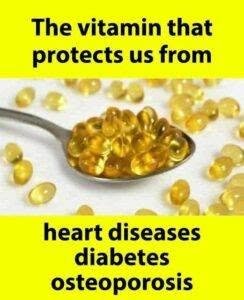
Here’s a detailed explanation of the most important vitamins.
1. Vitamin D – The Most Important for Bone Health and More
What is Vitamin D?
Vitamin D is a fat-soluble vitamin that helps your body absorb calcium and phosphorus, which are essential for strong bones.
Health Benefits
❤️ Heart Disease
- May help regulate blood pressure.
- May reduce inflammation.
- Supports healthy blood vessel function.
- Low vitamin D levels are associated with a higher risk of heart disease, although taking supplements has not consistently been shown to prevent heart attacks in healthy people.
🩸 Diabetes
- Helps improve insulin function.
- May slightly reduce the risk of type 2 diabetes in people with prediabetes who have low vitamin D, but it is not a treatment for diabetes.
🦴 Osteoporosis
This is Vitamin D’s strongest proven benefit.
- Increases calcium absorption.
- Strengthens bones.
- Reduces fracture risk when combined with adequate calcium, especially in older adults.
⚖️ Weight Loss
- Vitamin D alone does not cause weight loss.
- People with obesity often have lower vitamin D levels.
- Correcting a deficiency may support overall health but is not a weight-loss supplement.
Sources
- Sunlight (10–30 minutes several times a week, depending on skin tone and location)
- Fatty fish (salmon, sardines, mackerel)
- Egg yolks
- Fortified milk
- Mushrooms exposed to UV light
Recommended Daily Intake
- Adults (19–70 years): 600 IU (15 mcg)
- Adults over 70: 800 IU (20 mcg)
Deficiency Symptoms
- Bone pain
- Muscle weakness
- Frequent infections
- Fatigue
2. Vitamin K
Vitamin K is another important vitamin for bone and heart health.
❤️ Heart Disease
- Helps prevent calcium buildup in arteries.
- Supports healthy blood vessels.
🦴 Osteoporosis
- Activates proteins that build strong bones.
- Works together with vitamin D.
Food Sources
- Spinach
- Kale
- Broccoli
- Cabbage
3. Vitamin C
❤️ Heart Disease
- Powerful antioxidant.
- Helps reduce oxidative stress.
- Supports healthy blood vessels.
🩸 Diabetes
- May improve blood vessel health in people with diabetes.
- Does not cure diabetes.
Weight Loss
- Does not directly burn fat.
- Supports normal metabolism and exercise recovery.
Sources
- Oranges
- Lemons
- Guava
- Kiwi
- Bell peppers
- Strawberries
4. Vitamin B Complex
Includes:
- B1 (Thiamine)
- B2 (Riboflavin)
- B3 (Niacin)
- B5
- B6
- B7 (Biotin)
- B9 (Folate)
- B12
Benefits
- Converts food into energy.
- Supports brain function.
- Helps produce red blood cells.
Heart Disease
Folate, B6, and B12 help reduce homocysteine levels, but lowering homocysteine has not consistently been shown to reduce heart attacks or strokes.
Diabetes
Some people taking metformin for diabetes can develop vitamin B12 deficiency, so monitoring B12 may be important.
Weight Loss
B vitamins help your body use nutrients for energy, but they do not directly cause weight loss unless you have a deficiency.
5. Vitamin E
Benefits
- Antioxidant
- Protects cells from damage
- Supports immune function
Heart Disease
Eating foods naturally rich in vitamin E is associated with good health, but vitamin E supplements have not consistently been shown to prevent heart disease.
Sources
- Almonds
- Sunflower seeds
- Avocados
- Vegetable oils
Can Any Vitamin Help You Lose Weight?
No vitamin directly burns body fat.
Weight loss mainly depends on:
- Eating fewer calories than you use.
- Regular physical activity (including strength training).
- Eating enough protein and fiber.
- Getting adequate sleep.
- Managing stress.
If you have a vitamin deficiency, correcting it can improve energy and overall health, which may make it easier to stay active, but vitamins are not fat-burning products.
Best Vitamins for Each Condition
| Condition | Most Helpful Vitamins |
|---|---|
| Heart disease | Vitamin D (if deficient), Vitamin K, Vitamin C, B vitamins (for deficiency or specific indications) |
| Diabetes | Vitamin D (if deficient), Vitamin B12 (especially for some people taking metformin), Vitamin C |
| Osteoporosis | Vitamin D + Calcium, Vitamin K |
| Weight management | No vitamin directly causes weight loss; adequate vitamin D and B vitamins support overall health if deficient |
Foods That Support All Four Goals
A balanced eating pattern can help reduce the risk of heart disease, type 2 diabetes, and osteoporosis while supporting a healthy weight:
- Fatty fish (salmon, sardines)
- Leafy green vegetables
- Fruits (berries, oranges, apples)
- Nuts (almonds, walnuts)
- Beans and lentils
- Whole grains (oats, brown rice)
- Low-fat yogurt or milk (or fortified alternatives)
- Olive oil
Key Takeaway
Among vitamins, vitamin D has the strongest evidence for supporting bone health and may benefit people who are deficient. Vitamin K, vitamin C, and B vitamins also contribute to overall health in specific ways. However, no vitamin alone can prevent heart disease, diabetes, osteoporosis, or produce weight loss. The greatest benefits come from a healthy lifestyle combined with correcting any vitamin deficiencies when they are present.
If you’re interested, I can also provide a 7-day meal plan rich in these vitamins that supports heart health, blood sugar control, bone health, and healthy weight management.