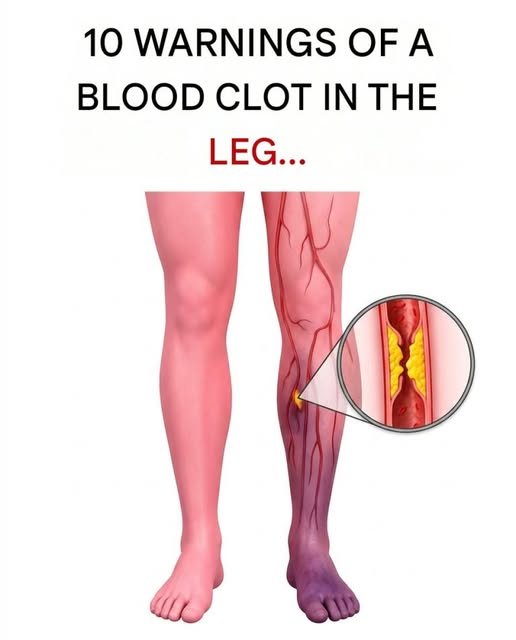
A blood clot in the leg (usually called a deep vein thrombosis, or DVT) happens when a clot forms in a deep vein, most often in the calf, thigh, or pelvis. It can become dangerous if part of the clot breaks off and travels to the lungs, causing a pulmonary embolism (PE), which can be life-threatening.
Many people expect dramatic symptoms, but DVT can sometimes begin with subtle warning signs. Recognizing them early can help prevent serious complications.
7 subtle signs that may indicate a blood clot in the leg
1. Unexplained swelling in one leg
One of the most common early signs is swelling that appears in only one leg.
You may notice:
- One calf looks larger than the other
- Tightness around the ankle or calf
- Shoes or socks suddenly feel tighter on one side
- Swelling that does not improve after resting
Why it happens:
A clot blocks normal blood flow through the vein, causing fluid to build up in the tissues.
Pay attention: swelling from DVT is usually one-sided. Swelling in both legs is more often linked to other causes, such as heart, kidney, or circulation problems.
2. Leg pain or tenderness (especially in the calf)
A DVT may cause:
- A dull ache
- Cramping sensation
- Tenderness when pressing the calf
- Pain that feels like a pulled muscle
The discomfort may become worse when:
- Walking
- Standing for long periods
- Flexing your foot upward
A common mistake is assuming calf pain is only a muscle strain. If pain appears without an obvious injury—especially with swelling or risk factors—it deserves medical attention.
3. Warmth in one area of the leg
The skin over a clot may feel:
- Warmer than the surrounding skin
- Inflamed
- Unusually sensitive
This happens because the body’s immune system reacts around the clot, causing local inflammation.
Compare both legs with your hands if you notice a difference.
4. Skin color changes
A clot can affect circulation and cause changes such as:
- Redness
- Darkening or a bluish/purple tone
- Pale-looking skin in some cases
Color changes are more concerning when they appear with:
- Swelling
- Pain
- Warmth
5. A feeling of heaviness or fullness in the leg
Some people describe a clot as:
- “My leg feels heavy”
- “My calf feels full”
- “There is pressure inside my leg”
This can happen because blood is having difficulty moving back toward the heart.
6. Enlarged or more visible veins
A clot can increase pressure in nearby veins, making some veins appear:
- More noticeable
- Swollen
- Firm or tender
You may see new prominent veins that were not there before.
7. Sudden symptoms that may mean the clot has traveled to the lungs (emergency)
If a piece of a clot breaks away and reaches the lungs, symptoms can include:
- Sudden shortness of breath
- Chest pain (especially sharp pain when breathing)
- Rapid heartbeat
- Coughing, sometimes with blood
- Dizziness or fainting
These symptoms require emergency medical care.
Who is at higher risk of a leg blood clot?
Risk increases with:
Long periods of immobility
Examples:
- Long flights or road trips
- Bed rest after illness
- Sitting for many hours daily
Recent surgery or injury
Especially:
- Hip, knee, or abdominal surgery
- Major trauma
Certain medical conditions
Including:
- Cancer
- Blood-clotting disorders
- Some autoimmune diseases
Hormonal factors
Risk can increase with:
- Estrogen-containing birth control
- Hormone replacement therapy
- Pregnancy and the postpartum period
Lifestyle factors
Including:
- Smoking
- Obesity
- Low physical activity
Previous blood clot
A previous DVT or PE increases future risk.
How to help prevent a dangerous blood clot
1. Keep your legs moving
If sitting for long periods:
- Stand and walk every 1–2 hours when possible
- Move your ankles up and down
- Stretch your calves
2. Stay physically active
Regular activity improves circulation:
- Walking
- Swimming
- Cycling
- Strength exercises
3. Maintain a healthy weight
Extra body weight can increase pressure on veins and raise clot risk.
4. Avoid smoking
Smoking damages blood vessels and increases clotting risk.
5. Stay hydrated
Dehydration can make blood more concentrated, especially during travel or illness.
6. Follow medical advice after surgery or hospitalization
Doctors may recommend:
- Compression stockings
- Early movement
- Blood-thinning medication for people at high risk
7. Know your personal risk
Discuss prevention with a healthcare professional if you have:
- A family history of blood clots
- Previous DVT/PE
- A clotting disorder
- Major surgery planned
- Pregnancy-related concerns
When should you seek medical help?
Contact a healthcare professional promptly if you have:
- New swelling in one leg
- Unexplained calf pain
- Warmth and redness in one leg
- Leg symptoms plus risk factors (recent surgery, travel, cancer, pregnancy, etc.)
Seek emergency care immediately for:
- Sudden breathing difficulty
- Chest pain
- Fainting
- Coughing blood
A blood clot in the leg is often treatable when found early. The key is recognizing unusual one-sided leg changes and acting quickly rather than waiting for severe symptoms.