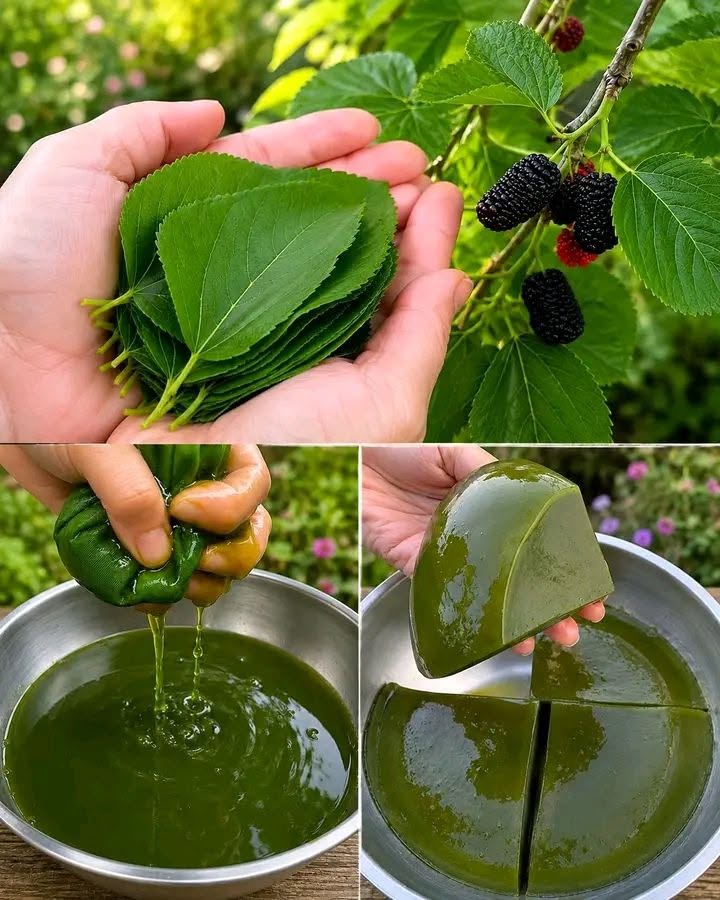
🌿 Black Mulberry Leaves: Potential Benefits
- Antioxidant support: The leaves contain polyphenols and flavonoids that can help protect cells from oxidative stress.
- Blood-sugar support: Mulberry leaves contain compounds such as 1-deoxynojirimycin (DNJ) that can slow carbohydrate digestion. Small human studies suggest mulberry-leaf preparations may reduce the rise in blood glucose after meals. This is promising, but it is not a substitute for diabetes medication.
- Digestive health: Their fiber and plant compounds may support normal digestion.
- Heart/metabolic health: Research suggests mulberry leaf extracts may have favorable effects on cholesterol and other metabolic markers, although more human research is needed.
- Anti-inflammatory properties: Laboratory and animal studies have found anti-inflammatory activity, but this should not be interpreted as proof that the leaves treat inflammatory diseases.
- Nutritional value: Young leaves can be cooked as a vegetable and provide fiber and various micronutrients.
🍵 Simple Black Mulberry Leaf Tea
Ingredients
- 5–8 young, clean mulberry leaves
- 2 cups water
- Optional: a little lemon, ginger, or cinnamon
Method
- Wash the leaves very thoroughly.
- Tear or chop them into smaller pieces.
- Bring 2 cups of water to a boil.
- Add the leaves and simmer gently for 5–10 minutes.
- Turn off the heat and let it steep for another 5 minutes.
- Strain and drink warm.
You can start with ½–1 cup to see how your body responds.
🥬 Black Mulberry Leaf Vegetable Recipe
Young mulberry leaves can also be cooked like spinach.
Ingredients
- 2 cups young mulberry leaves
- 1 tablespoon olive oil or another cooking oil
- 2 cloves garlic, chopped
- ½ teaspoon cumin seeds
- Salt to taste
- 1–2 teaspoons lemon juice
- Optional: chopped onion or chili
Method
- Wash the leaves carefully and remove tough stems.
- Blanch them in boiling water for 2–3 minutes, then drain. This makes them more tender.
- Heat oil in a pan.
- Add cumin and garlic and sauté briefly.
- Add the leaves and cook for 5–8 minutes, stirring occasionally.
- Add salt and finish with lemon juice.
This makes a simple leafy side dish that can be eaten with rice, flatbread, lentils, or eggs.
🍲 A More Flavorful Mulberry-Leaf Soup
Sauté garlic and onion in a little oil, add chopped young mulberry leaves, carrots and/or zucchini, then add vegetable or chicken stock. Simmer for about 10 minutes. Blend partially or completely and finish with lemon and black pepper.
⚠️ A few important precautions
Make sure you have correctly identified the tree as Morus nigra or another edible Morus species. Don’t eat leaves from a tree that has been treated with pesticides or other chemicals.
If you’re taking diabetes medication, be particularly cautious with concentrated mulberry-leaf tea or extracts because they may add to the blood-glucose-lowering effect. Pregnancy, breastfeeding, or regular medication use is also a reason to check with a healthcare professional before using medicinal amounts.
And one important distinction: fresh young leaves used as food are different from concentrated mulberry-leaf extracts or supplements—the latter can deliver substantially higher amounts of active compounds.
If you’d like, I can also give you 10 traditional black-mulberry-leaf recipes (tea, curry, soup, stir-fry, powder, chutney, etc.) and explain exactly which nutrients/compounds each preparation preserves.