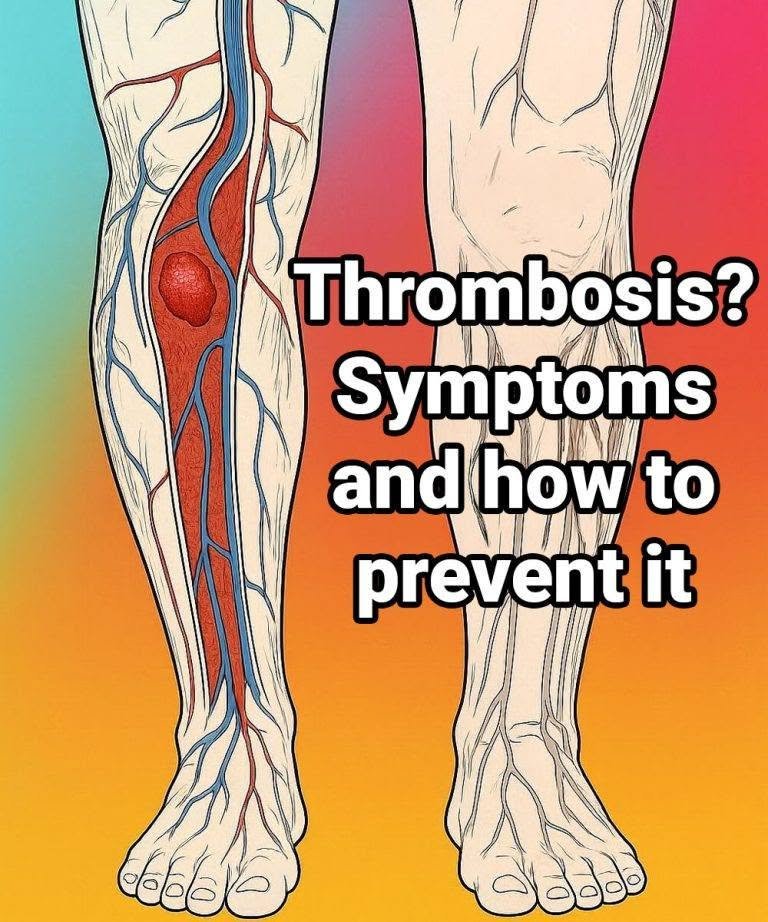
Thrombosis: What It Is, How to Identify Its Symptoms, and Ways to Help Reduce Risk Naturally
Thrombosis is a condition in which a blood clot (thrombus) forms inside a blood vessel, partially or completely blocking blood flow. It can occur in veins or arteries and may become life-threatening if the clot travels to the lungs, heart, or brain.
Important: There is no natural recipe that can treat or dissolve thrombosis. If you think you have symptoms of a blood clot, seek immediate medical care. Natural approaches can support overall cardiovascular health and may help reduce risk, but they are not a substitute for medical treatment.
What Is Thrombosis?
A blood clot normally helps stop bleeding after an injury. However, when a clot forms unnecessarily inside a blood vessel, it can block circulation.
There are two main types:
1. Deep Vein Thrombosis (DVT)
Usually develops in the deep veins of the legs.
2. Arterial Thrombosis
Occurs in arteries and can cause:
- Heart attack
- Stroke
- Limb ischemia (reduced blood flow to arms or legs)
Symptoms of Thrombosis
Deep Vein Thrombosis (DVT)
Symptoms may include:
- Swelling in one leg
- Pain or tenderness
- Warm skin
- Red or bluish discoloration
- Leg heaviness
- Enlarged surface veins
Sometimes there are no symptoms.
Pulmonary Embolism (Medical Emergency)
If a clot travels to the lungs, symptoms include:
- Sudden shortness of breath
- Chest pain
- Rapid heartbeat
- Coughing (sometimes with blood)
- Dizziness
- Fainting
Call emergency services immediately.
Stroke Symptoms
Remember FAST:
- Face drooping
- Arm weakness
- Speech difficulty
- Time to call emergency services
Heart Attack Symptoms
- Chest pressure
- Pain spreading to arm, neck, jaw, or back
- Shortness of breath
- Sweating
- Nausea
Seek emergency medical help immediately.
Risk Factors
Risk increases with:
- Long periods of sitting
- Surgery
- Pregnancy
- Smoking
- Obesity
- Diabetes
- High blood pressure
- High cholesterol
- Cancer
- Family history
- Older age
- Hormonal medications (such as some birth control pills)
Natural Ways to Help Reduce Risk
These habits support healthy circulation but do not replace prescribed treatment.
Stay Active
Aim for at least 150 minutes of moderate exercise per week, such as brisk walking, cycling, or swimming.
Avoid Sitting Too Long
Stand up and move every hour, especially during long trips or desk work.
Stay Hydrated
Drink enough water throughout the day unless your healthcare provider has advised you to limit fluids.
Maintain a Healthy Weight
Losing excess weight can reduce strain on the cardiovascular system.
Don’t Smoke
Smoking damages blood vessels and increases clotting risk.
Eat a Heart-Healthy Diet
Include:
- Fruits
- Vegetables
- Whole grains
- Beans
- Fish
- Nuts
- Olive oil
Limit:
- Processed foods
- Excess salt
- Sugary drinks
- Saturated and trans fats
Natural Heart-Healthy Drink Recipe
This drink supports general hydration and nutrition but will not prevent or treat blood clots.
Ingredients
- 1 cup water
- ½ cucumber, sliced
- ½ lemon, sliced
- 6–8 fresh mint leaves
- Small piece of fresh ginger (about 1 cm), sliced
- Ice (optional)
Instructions
- Add all ingredients to a pitcher or large glass.
- Let infuse for 30–60 minutes in the refrigerator.
- Drink chilled.
Potential Benefits
- Helps with hydration
- Provides refreshing flavor without added sugar
- Contains vitamin C from lemon
- Ginger may have mild anti-inflammatory properties, but it should not be relied on to prevent blood clots.
Foods That Support Heart and Blood Vessel Health
Choose foods such as:
- Leafy green vegetables
- Berries
- Tomatoes
- Oats
- Whole grains
- Salmon, sardines, and other oily fish
- Walnuts
- Almonds
- Olive oil
- Beans and lentils
- Garlic (as part of a balanced diet)
If you take blood thinners (such as warfarin), talk with your healthcare provider before making major changes to foods high in vitamin K (such as spinach and kale), as consistent intake is important.
When to Seek Immediate Medical Care
Get emergency medical attention if you experience:
- Sudden swelling and severe pain in one leg
- Sudden shortness of breath
- Chest pain
- Coughing up blood
- Sudden weakness on one side of the body
- Difficulty speaking
- Loss of consciousness
These may indicate a blood clot requiring urgent treatment.
Key Takeaway
Thrombosis is a serious condition caused by blood clots that block blood flow. Recognizing symptoms early and getting prompt medical care can be lifesaving. A healthy lifestyle—including regular physical activity, staying hydrated, not smoking, and eating a balanced diet—can help reduce the risk of developing blood clots, but these measures are not a treatment for thrombosis or a replacement for prescribed medications.