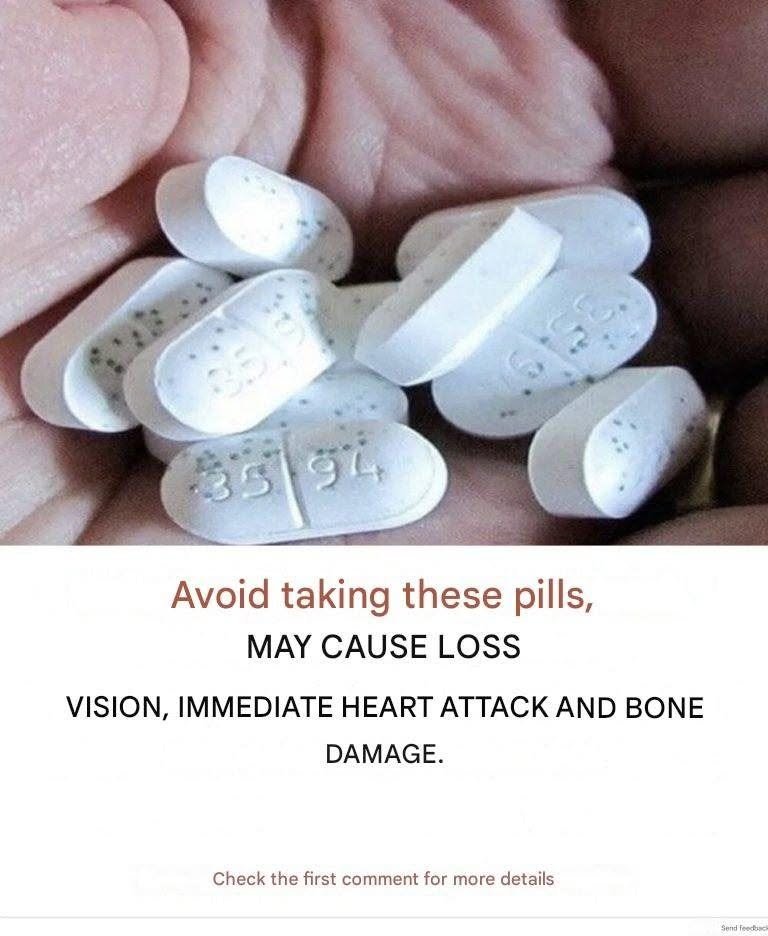
A warning like “WARNING! THESE TABLETS CAN CAUSE BLOOD CLOTS, BLOOD THROMBOSIS, AND HEART ATTACKS” is a serious safety warning found on some medications. It means the medicine may increase the risk of dangerous blood clots, especially in people with certain risk factors.
What are blood clots?
A blood clot (thrombus) is a mass of blood that changes from liquid to a gel-like or solid state. Clotting is normally helpful because it stops bleeding after an injury. However, clots that form inside blood vessels can block blood flow and become life-threatening.
Types of blood clots
- Deep Vein Thrombosis (DVT):
- A clot usually forms in the deep veins of the leg.
- Symptoms include:
- Swelling in one leg
- Pain or tenderness
- Warm skin
- Red or discolored skin
- Pulmonary Embolism:
- A clot travels to the lungs.
- Symptoms include:
- Sudden shortness of breath
- Chest pain
- Coughing (sometimes with blood)
- Rapid heartbeat
- This is a medical emergency.
- Heart Attack:
- A clot blocks blood flow to the heart.
- Symptoms include:
- Chest pressure or pain
- Pain spreading to the arm, jaw, neck, or back
- Shortness of breath
- Sweating
- Nausea
- Stroke:
- A clot blocks blood flow to the brain.
- Symptoms include:
- Sudden weakness or numbness on one side
- Trouble speaking
- Vision problems
- Severe headache
- This is also a medical emergency.
Why can some tablets cause blood clots?
Certain medicines can increase the blood’s tendency to clot. Examples include:
- Some hormonal contraceptive pills containing estrogen.
- Some hormone replacement therapies.
- Certain cancer medicines.
- Some medications used to treat inflammatory or autoimmune diseases.
The risk depends on:
- Age (especially over 35)
- Smoking
- Obesity
- Previous blood clots
- Family history of clotting disorders
- Long periods of immobility (such as after surgery or long flights)
Warning signs that require immediate medical attention
Seek emergency medical care immediately if you experience:
- Sudden chest pain or pressure
- Difficulty breathing
- Swelling or severe pain in one leg
- Sudden weakness or numbness on one side of the body
- Difficulty speaking or understanding speech
- Sudden vision loss
- Coughing up blood
How to reduce the risk
If you are taking a medicine that carries this warning:
- Take it exactly as prescribed.
- Do not smoke, especially if using estrogen-containing medications.
- Stay physically active and avoid sitting for long periods.
- Maintain a healthy weight.
- Drink enough fluids.
- Tell your healthcare provider if you or a close family member has had blood clots.
- Inform your doctor before surgery or long-distance travel, as temporary precautions may be recommended.
Important
Do not stop taking a prescribed medication solely because of this warning without discussing it with your healthcare provider. The warning indicates a potential risk, but for many people the benefits of the medication outweigh the risks.
If you tell me the name of the tablet (or upload a photo of the package or label), I can explain why it carries this warning, how common the risk is, who is most at risk, and what precautions are recommended for that specific medication.