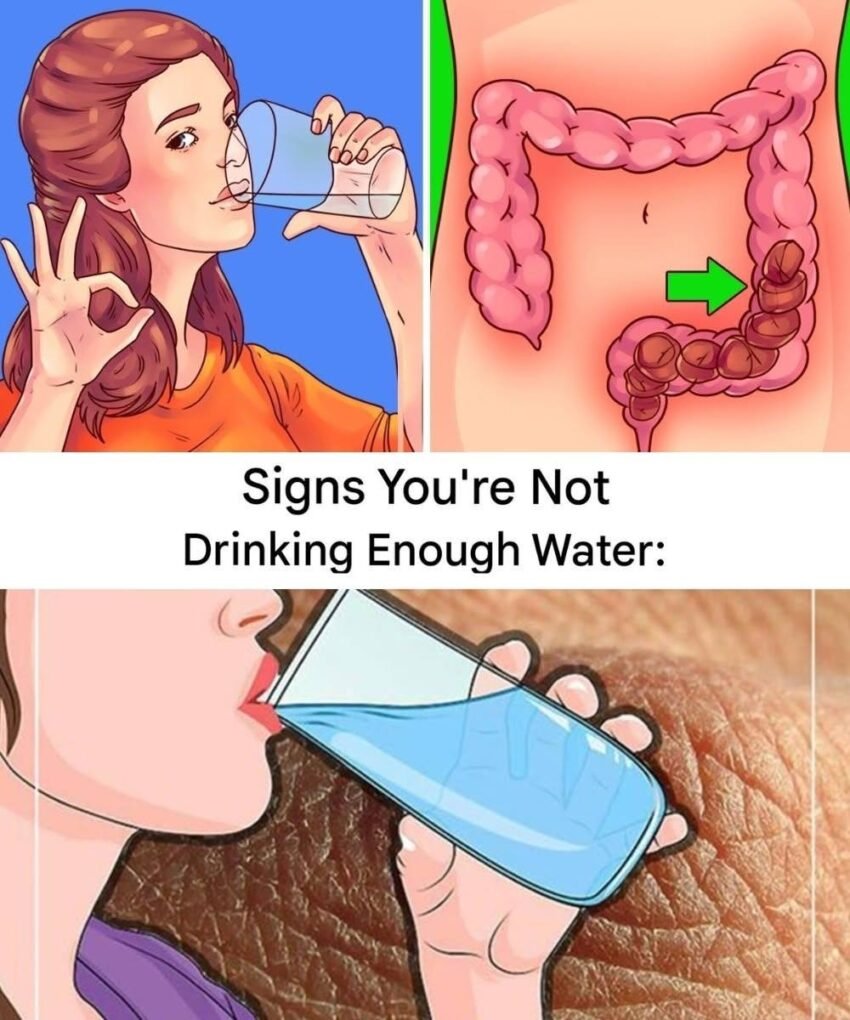
What Happens to Your Body When You Don’t Drink Enough Water? (8 Clear Signs You’re Dehydrated)
Water is essential for almost every function in your body. It helps regulate temperature, transport nutrients, remove waste, lubricate joints, maintain blood pressure, support digestion, and keep your brain and organs working properly.
When you don’t drink enough water, your body begins to conserve fluids and sends warning signals. This condition is called dehydration—a state where your body loses more water than it takes in.
Even mild dehydration can affect your energy, mood, concentration, and physical performance. Severe dehydration can become dangerous and may require medical attention.
1. Constant Thirst and Dry Mouth
One of the earliest signs of dehydration is feeling unusually thirsty.
Your brain has sensors that monitor the concentration of fluids in your blood. When your body loses water, your blood becomes more concentrated, and your brain triggers the sensation of thirst to encourage you to drink.
Other related signs:
- Dry or sticky feeling in the mouth
- Less saliva production
- Dry lips
- A scratchy throat
- Bad breath
If you frequently feel thirsty throughout the day, your body may already be signaling that it needs more fluids.
2. Dark Yellow Urine and Reduced Urination
Your kidneys help balance water levels in your body. When water is limited, your kidneys try to save as much fluid as possible.
As a result:
- You urinate less often
- Your urine becomes darker
- Your urine may have a stronger smell
Healthy hydration usually produces:
- Pale yellow urine
- Regular urination throughout the day
Dark yellow or amber urine can be a sign that your body needs more water.
Note: Urine color can also be affected by certain foods, supplements, and medications.
3. Fatigue, Low Energy, and Weakness
Water plays an important role in delivering nutrients and oxygen through your bloodstream. When you become dehydrated:
- Blood volume can decrease
- Your heart may work harder
- Your muscles receive less oxygen
- Your body has to use more energy to perform normal activities
You may experience:
- Feeling tired even after sleeping
- Low motivation
- Muscle weakness
- Reduced stamina during exercise
- Feeling sluggish
Many people mistake dehydration-related fatigue for lack of sleep or stress.
4. Headaches and Dizziness
The brain is highly sensitive to changes in fluid levels. When your body loses water, the brain may temporarily shrink slightly due to fluid loss, causing tension and discomfort.
Dehydration-related headaches may feel like:
- Pressure or aching in the head
- Throbbing pain
- Difficulty concentrating
- Increased sensitivity to heat or movement
You may also feel dizzy because dehydration can reduce blood volume and lower blood pressure, affecting blood flow to the brain.
5. Difficulty Concentrating and Mood Changes
Your brain contains a large amount of water, and proper hydration is important for normal brain function.
Even mild dehydration can affect:
- Attention
- Memory
- Decision-making
- Reaction time
You may notice:
- Trouble focusing at work or school
- Feeling mentally tired
- Increased irritability
- Anxiety-like feelings
- Mood swings
Studies have shown that dehydration can negatively affect cognitive performance, especially during physical activity or hot conditions.
6. Dry Skin and Poor Skin Elasticity
Water helps maintain skin moisture and supports healthy circulation.
When you are dehydrated, your skin may become:
- Dry
- Less soft
- Flaky
- More prone to irritation
A simple test sometimes used to check dehydration is the skin pinch test:
- Gently pinch the skin on the back of your hand.
- If it does not return quickly to its normal position, it may suggest dehydration.
However, skin elasticity can also change due to age and other factors, so it is not a perfect test.
7. Constipation and Digestive Problems
Water is important for healthy digestion.
Your intestines absorb water to help form soft stools. When you do not drink enough:
- The colon absorbs more water from waste
- Stool becomes harder
- Bowel movements become more difficult
Signs include:
- Constipation
- Hard stools
- Straining during bowel movements
- Bloating or discomfort
Increasing fluid intake, along with eating enough fiber, often helps support regular digestion.
8. Muscle Cramps and Increased Heart Rate
Water helps maintain the balance of electrolytes such as:
- Sodium
- Potassium
- Magnesium
- Calcium
These minerals are important for nerve signals and muscle contractions.
When dehydrated, you may experience:
- Muscle cramps
- Leg cramps
- Muscle fatigue
- Faster heartbeat
- Feeling lightheaded
Athletes and people working in hot environments are especially at risk because they lose water and electrolytes through sweat.
What Happens Inside Your Body During Dehydration?
When you do not drink enough water, several changes occur:
1. Blood becomes more concentrated
Your blood contains less water, making it thicker. Your heart may need to work harder to circulate it.
2. Kidneys conserve water
Your kidneys produce less urine to prevent further water loss.
3. Body temperature regulation becomes harder
Sweating helps cool your body. With dehydration, your ability to regulate temperature decreases.
4. Cells lose water
Your body’s cells need water to perform normal functions. Dehydration affects their ability to work efficiently.
5. Physical performance decreases
Muscles require proper hydration for strength, endurance, and coordination.
Who Is More Likely to Become Dehydrated?
Some people have a higher risk, including:
- Older adults
- Babies and young children
- Athletes
- People working outdoors in heat
- People with fever, vomiting, or diarrhea
- People taking certain medications that increase fluid loss
How Much Water Do You Need?
Water needs vary depending on:
- Body size
- Climate
- Activity level
- Diet
- Health conditions
- Pregnancy or breastfeeding
A common guideline is to drink enough so that:
- You rarely feel very thirsty
- Your urine is usually pale yellow
- You replace fluids lost through sweating or illness
You also get water from foods such as:
- Fruits
- Vegetables
- Soups
- Dairy products
Signs of Severe Dehydration (Seek Medical Help)
Severe dehydration can be dangerous. Warning signs include:
- Confusion or unusual behavior
- Fainting
- Extreme weakness
- Very little or no urination
- Rapid heartbeat
- Rapid breathing
- Severe dizziness
- Inability to keep fluids down
Simple Ways to Stay Hydrated
✅ Drink water regularly throughout the day
✅ Keep a water bottle nearby
✅ Drink more during exercise or hot weather
✅ Eat water-rich foods like cucumbers, watermelon, and oranges
✅ Drink fluids when you feel thirsty
✅ Replace fluids after heavy sweating
Bottom Line
Not drinking enough water affects nearly every system in your body. The most common signs of dehydration include thirst, dark urine, fatigue, headaches, poor concentration, dry skin, constipation, and muscle cramps.
Your body is constantly balancing water levels, and paying attention to early warning signs can help you stay healthy, energetic, and physically capable.