Sinus Pressure: Causes, Symptoms, and How to Find Relief
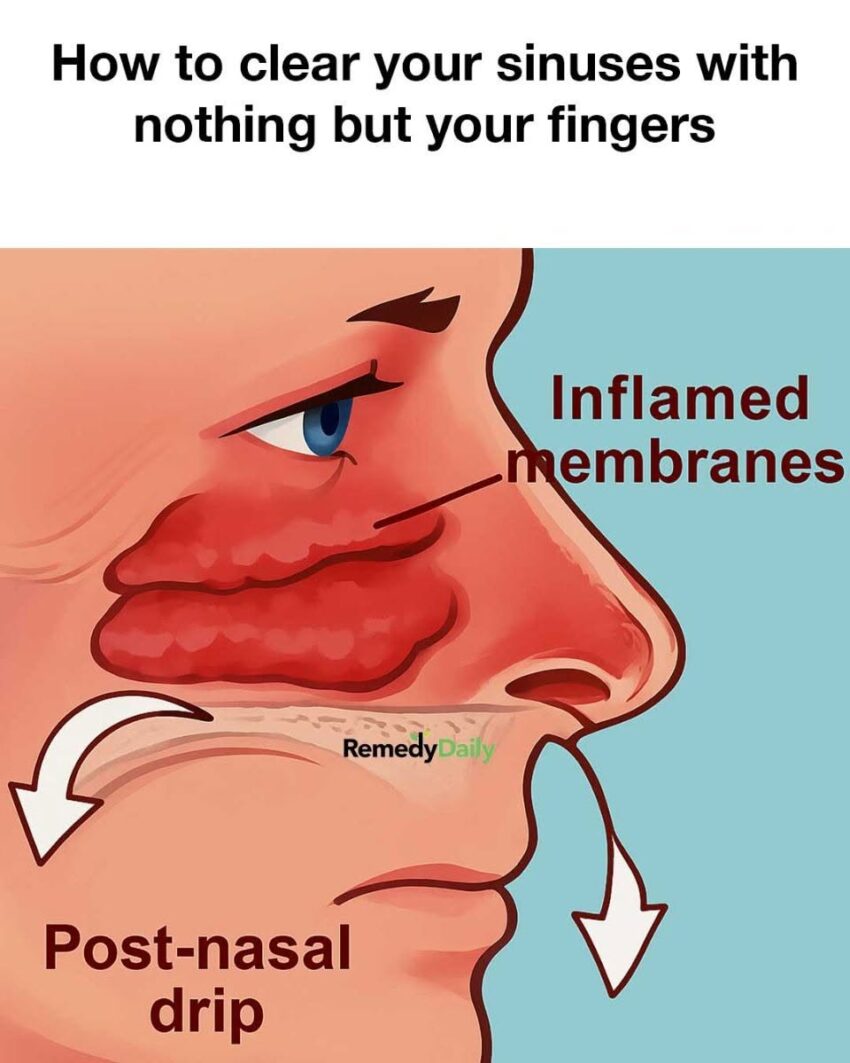
Sinus pressure is a feeling of fullness, pressure, aching, or pain around the forehead, cheeks, nose, eyes, or upper teeth. It usually happens when the lining of the sinuses becomes swollen and mucus cannot drain normally. A cold, allergies, or sinus inflammation can all produce this sensation.
What are the sinuses?
Your sinuses are air-filled spaces in the bones around your nose, cheeks, forehead, and eyes. They normally produce mucus that drains into the nose.
When the nasal/sinus lining becomes inflamed:
-
The openings that allow mucus to drain become narrower.
-
Mucus can accumulate.
-
Pressure and congestion increase.
-
You may experience facial pressure, headache, or aching.
The pressure can be particularly noticeable when bending forward.
Common causes of sinus pressure
1. Common cold or viral infection
This is one of the most common causes. A viral upper-respiratory infection can cause swelling inside the nose and sinuses, resulting in congestion and pressure.
Most acute sinus infections are viral and improve without antibiotics.
2. Allergies
Seasonal allergies can cause inflammation and swelling inside the nose. This can block sinus drainage and create pressure.
Typical accompanying symptoms include:
-
Sneezing
-
Itchy nose or eyes
-
Watery eyes
-
Clear runny nose
-
Nasal congestion
-
Postnasal drip
Controlling the underlying allergies can therefore reduce recurring sinus symptoms.
3. Sinus infection (sinusitis)
Sinusitis means inflammation of the sinuses. It may be caused by a virus and, less commonly, bacteria.
Possible symptoms include:
-
Facial pressure or pain
-
Stuffy nose
-
Thick nasal mucus
-
Postnasal drip
-
Headache
-
Cough
-
Reduced sense of smell
-
Tooth or upper-jaw discomfort
-
Fatigue
-
Sometimes fever
Importantly, yellow or green mucus by itself does not prove that you need antibiotics. Many viral infections can produce colored mucus.
4. Nasal polyps
Nasal polyps are soft growths in the lining of the nose or sinuses. They can interfere with drainage and cause chronic congestion, reduced smell, and pressure.
5. Deviated septum or other structural problems
If the nasal passages are narrowed because of anatomy, sinus drainage may be impaired. This can contribute to recurrent or chronic symptoms.
6. Irritants
Cigarette smoke, secondhand smoke, pollution, and other airborne irritants can inflame the nasal passages and make congestion worse.
7. Migraine or another type of headache
Not every headache or facial-pressure sensation comes from the sinuses. Migraine can sometimes feel like a “sinus headache.”
Migraine is more likely when headache is accompanied by things such as nausea, vomiting, sensitivity to light or sound, or recurrent attacks without typical nasal-infection symptoms.
Where do you feel sinus pressure?
The location can sometimes give clues about which area is irritated:
| Location | Possible sensation |
|---|---|
| Forehead | Pressure or aching above the eyebrows |
| Between the eyes | Pressure around the bridge of the nose |
| Cheeks | Fullness or aching under the eyes |
| Nose | Blocked or congested feeling |
| Upper teeth | Aching or pressure in upper teeth/jaw |
| Around the eyes | Pressure, tenderness, or fullness |
| Ears | Fullness or pressure due to congestion |
These locations aren’t diagnostic by themselves; several conditions can cause similar symptoms.
How to relieve sinus pressure at home
For uncomplicated congestion or acute sinusitis, several measures can help.
1. Saline nasal spray or rinse
Saline can help wash away mucus and irritants and improve nasal drainage.
A saline nasal rinse using a squeeze bottle or neti pot can be particularly useful for congestion.
Important safety point
If you rinse your nose, use distilled, sterile, or appropriately filtered water—or water that has been boiled and cooled. Do not use ordinary untreated tap water for nasal irrigation. Clean the device appropriately after use.
2. Warm compress
Place a warm, damp towel over your:
-
Forehead
-
Nose
-
Cheeks
-
Area around the eyes
Warm compresses may help relieve facial pressure and discomfort.
3. Warm shower or humidified air
A warm shower can provide moist air that may make mucus easier to clear and temporarily relieve congestion.
Be careful with bowls of very hot water because steam burns can occur. A normal warm shower is a safer option.
4. Drink adequate fluids
Staying hydrated can help keep mucus less thick and support drainage.
5. Rest
If your symptoms are related to a cold or viral infection, adequate rest gives your body time to recover.
6. Elevate your head while sleeping
Keeping your head somewhat elevated can make congestion and drainage more comfortable, particularly at night.
Medications that may help
Saline spray
Generally useful for moisturizing the nasal passages and clearing mucus. It does not contain a decongestant.
Nasal corticosteroid sprays
Examples include fluticasone, budesonide, and mometasone. These reduce inflammation and can be particularly useful when allergies or chronic nasal inflammation are contributing to congestion.
They generally work better when used consistently rather than expecting immediate relief after one dose.
Decongestants
Oral or nasal decongestants can temporarily reduce nasal swelling.
However, some people should avoid or use them cautiously, particularly people with certain cardiovascular conditions, high blood pressure, glaucoma, prostate problems, pregnancy, or medication interactions.
Nasal decongestant sprays should generally only be used for a few days, because prolonged use can cause rebound congestion.
Pain relievers
For facial pain or headache, over-the-counter medicines such as acetaminophen or ibuprofen may help when they are safe for you to take. Follow the package directions and consider your other medical conditions and medications.
Do you need antibiotics?
Usually, no—not immediately.
Most acute sinus infections are caused by viruses, and antibiotics don’t treat viral infections. Unnecessary antibiotics can cause side effects and contribute to antibiotic resistance.
A clinician may consider bacterial sinusitis when symptoms are severe, persistent, or worsen after initially improving.
A particularly useful pattern is:
You start to feel better, then several days later your congestion, facial pain, fever, or other symptoms become significantly worse.
This is sometimes called “double worsening” and warrants medical evaluation.
When should you see a doctor?
Contact a healthcare professional if:
5. Deviated septum or other structural problems
6. Irritants
Cigarette smoke, secondhand smoke, pollution, and other airborne irritants can inflame the nasal passages and make congestion worse.
7. Migraine or another type of headache
Not every headache or facial-pressure sensation comes from the sinuses. Migraine can sometimes feel like a “sinus headache.”
Where do you feel sinus pressure?
The location can sometimes give clues about which area is irritated:
| Location | Possible sensation |
|---|---|
| Forehead | Pressure or aching above the eyebrows |
| Between the eyes | Pressure around the bridge of the nose |
| Cheeks | Fullness or aching under the eyes |
| Nose | Blocked or congested feeling |
| Upper teeth | Aching or pressure in upper teeth/jaw |
| Around the eyes | Pressure, tenderness, or fullness |
| Ears | Fullness or pressure due to congestion |
These locations aren’t diagnostic by themselves; several conditions can cause similar symptoms.
How to relieve sinus pressure at home
For uncomplicated congestion or acute sinusitis, several measures can help.
1. Saline nasal spray or rinse
Important safety point
2. Warm compress
Place a warm, damp towel over your:
-
Symptoms last more than about 10 days without improving.
-
Symptoms become significantly worse after initially improving.
-
You have severe facial pain or a severe headache.
-
Fever persists.
-
You repeatedly develop sinus infections.
-
Symptoms are interfering substantially with normal activities.
-
You have chronic congestion or sinus symptoms lasting 12 weeks or longer.
Seek urgent medical attention for
Rarely, sinus infections can cause serious complications. Get urgent medical attention if you develop:
-
Swelling or redness around an eye
-
Vision changes or double vision
-
Severe headache
-
High fever with significant illness
-
Confusion
-
Forehead swelling
-
Stiff neck
These symptoms can indicate a complication requiring prompt evaluation.
Sinus pressure vs. migraine
This distinction is important because people frequently mistake migraine for sinus disease.
More suggestive of sinus inflammation:
-
Nasal congestion
-
Thick nasal discharge
-
Postnasal drip
-
Reduced sense of smell
-
Facial tenderness/pressure
-
Symptoms following a cold
More suggestive of migraine:
-
Recurrent severe headaches
-
Nausea or vomiting
-
Sensitivity to light or sound
-
Headache occurring without significant nasal symptoms
Mayo Clinic notes that many presumed “sinus headaches” are actually migraines.
A simple relief routine
If you have mild sinus pressure from a cold or congestion, you could try:
Morning
-
Saline nasal spray/rinse
-
Warm shower
-
Drink fluids
-
Use an appropriate nasal steroid if allergies/inflammation are a contributor
During the day
-
Stay hydrated
-
Avoid cigarette smoke and other irritants
-
Use a warm compress when pressure is uncomfortable
-
Consider an appropriate OTC pain reliever if needed
Night
-
Saline rinse/spray
-
Warm shower
-
Sleep with your head slightly elevated
If symptoms aren’t improving, persist beyond the expected period, or become substantially worse, get evaluated rather than continuing to self-treat indefinitely.
One important point
Sinus pressure is a symptom, not a diagnosis. A cold, allergies, bacterial sinusitis, chronic sinus inflammation, nasal polyps, structural nasal problems, and migraine can all produce overlapping symptoms. The pattern and duration of symptoms are often more useful than the pressure itself.
If you tell me where the pressure is (forehead, cheeks, between eyes, one side, or behind the eyes), how many days you’ve had it, whether you have fever/congestion/mucus, and whether it gets worse when bending forward, I can help you narrow down the most likely cause and the safest relief options.