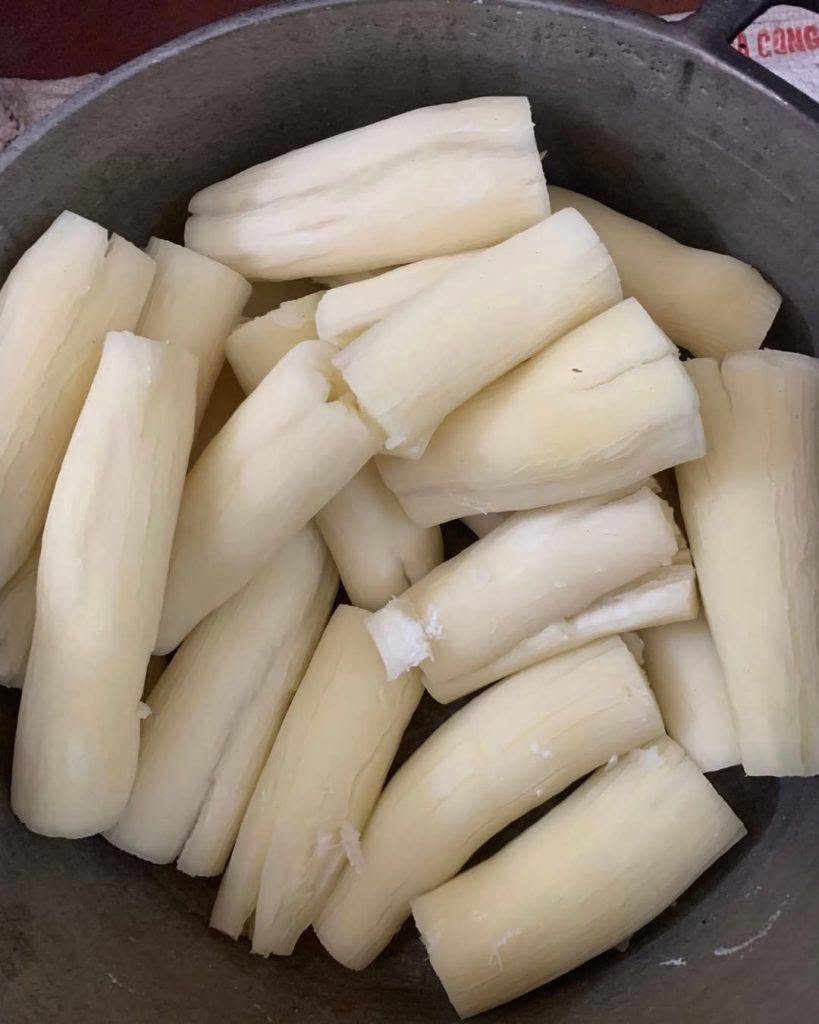
Why Eating Cassava Can Be Dangerous — and How to Enjoy It Safely (Detailed Information)
What Is Cassava?
Cassava (also called manioc, yuca, or tapioca) is a starchy root vegetable widely eaten in Africa, Asia, Latin America, and the Caribbean. It is an important source of carbohydrates and calories for millions of people.
Common cassava products include:
- Boiled cassava pieces
- Cassava flour
- Tapioca pearls
- Cassava chips
- Garri (fermented cassava granules)
- Fufu and other traditional foods
Cassava is naturally gluten-free and provides energy, fiber, vitamin C, and minerals. However, raw or improperly prepared cassava can be dangerous because it contains naturally occurring toxins.
Why Can Cassava Be Dangerous?
The main danger comes from cyanogenic glycosides, especially a compound called linamarin.
When cassava is damaged, crushed, chewed, or digested, these compounds can release hydrogen cyanide (HCN) — a toxic substance that can interfere with the body’s ability to use oxygen.
In simple terms:
Cassava plant chemicals → broken down → release cyanide → cyanide can poison the body
Types of Cassava: Sweet vs. Bitter
Cassava is generally classified into two types:
1. Sweet Cassava
- Contains lower levels of cyanogenic compounds.
- Can usually be made safe through normal cooking methods.
- Commonly sold in markets for household cooking.
2. Bitter Cassava
- Contains much higher levels of cyanogenic compounds.
- Requires more careful processing.
- Often used in traditional cassava-processing industries.
Bitter cassava is not necessarily unsafe when properly processed, but eating it without adequate preparation can cause poisoning.
Symptoms of Cassava Cyanide Poisoning
Eating poorly prepared cassava may cause symptoms ranging from mild to severe.
Mild Symptoms
- Headache
- Dizziness
- Weakness
- Nausea
- Vomiting
- Stomach pain
- Diarrhea
Moderate Symptoms
- Rapid breathing
- Confusion
- Muscle weakness
- Difficulty walking
- Increased heart rate
Severe Poisoning
High cyanide exposure can lead to:
- Seizures
- Loss of consciousness
- Breathing failure
- Coma
- Death
The severity depends on:
- Amount of cyanide in the cassava
- Amount eaten
- Preparation method
- Person’s age and health
A Long-Term Disease Linked to Cassava
Regular consumption of poorly processed cassava over long periods can contribute to a neurological disease called konzo.
Konzo
Konzo is a permanent paralysis of the legs caused by chronic cyanide exposure, especially in communities where cassava is a major food source and protein intake is low.
Symptoms may include:
- Sudden difficulty walking
- Stiff and weak legs
- Permanent paralysis
- Difficulty with movement
Konzo outbreaks have been reported mainly in parts of Africa where drought or food shortages increase reliance on bitter cassava.
Why Cooking Alone May Not Always Be Enough
Boiling cassava can reduce cyanide, but it may not remove all toxins, especially from bitter varieties.
Cyanogenic compounds can be reduced through processes that allow them to escape or break down, such as:
- Soaking
- Fermentation
- Drying
- Grating
- Pressing
- Proper cooking
Traditional preparation methods developed in many cultures are often designed specifically to make cassava safer.
How to Prepare Cassava Safely
1. Never Eat Raw Cassava
Raw cassava should not be eaten because cyanide levels are highest before processing.
2. Peel the Cassava
The outer layers contain higher concentrations of cyanogenic compounds.
Safe preparation:
- Remove the thick outer peel.
- Cut away damaged or discolored areas.
- Wash thoroughly.
3. Cut Into Smaller Pieces
Smaller pieces allow toxins to leave more easily during soaking and cooking.
4. Soak Before Cooking (Especially Bitter Cassava)
Soaking cassava in water helps reduce cyanogenic compounds.
Traditional methods may involve:
- Soaking for several hours or days
- Changing the water
- Fermenting before drying or cooking
5. Cook Thoroughly
Good cooking methods include:
- Boiling
- Steaming
- Frying after proper preparation
- Baking processed cassava flour
Boil cassava until it becomes soft, then discard the cooking water.
6. Use Properly Processed Cassava Products
Commercial cassava products such as:
- Tapioca
- Cassava flour
- Garri
are usually processed to reduce cyanide levels, although quality standards vary by region.
How to Store Cassava Safely
Fresh cassava deteriorates quickly after harvesting.
Safe storage tips:
- Use fresh cassava when possible.
- Avoid roots with mold, soft spots, or unusual colors.
- Store in a cool, dry place.
- Do not eat cassava that has been stored too long and has started to spoil.
Nutritional Benefits of Cassava
When prepared correctly, cassava can be a healthy food.
Provides Energy
Cassava is rich in carbohydrates, making it a valuable energy source.
Gluten-Free Alternative
Cassava flour is often used instead of wheat flour for people avoiding gluten.
Contains Some Nutrients
Cassava provides:
- Vitamin C
- Manganese
- Potassium
- Fiber (especially when less processed)
However, cassava is relatively low in:
- Protein
- Fat
- Certain vitamins
A balanced diet should include other foods such as beans, eggs, meat, fish, dairy, or legumes.
Who Should Be Extra Careful?
People who should take special care include:
- Communities relying heavily on cassava as a main food
- Young children
- Pregnant women
- People with poor nutrition
- Anyone eating homemade cassava products without knowing the preparation method
Common Myths About Cassava
Myth: “All cassava is poisonous.”
Fact: Cassava can be safely eaten when properly prepared.
Myth: “Cooking always removes all danger.”
Fact: Some cassava varieties need soaking, fermentation, or other processing before cooking.
Myth: “Tapioca is dangerous like raw cassava.”
Fact: Properly processed tapioca is generally safe because much of the cyanide is removed during production.
Safe Cassava Checklist
Before eating cassava:
✅ Peel it
✅ Remove damaged parts
✅ Cut into pieces
✅ Soak if needed
✅ Cook thoroughly
✅ Avoid eating it raw
✅ Buy from reliable sources
✅ Eat it as part of a balanced diet
Summary
Cassava is a valuable and nutritious food, but it contains natural compounds that can release cyanide if the root is eaten raw or improperly prepared. The risk can be greatly reduced by peeling, soaking, fermenting, drying, and cooking cassava correctly. Millions of people safely eat cassava every day because traditional and modern processing methods make it suitable for consumption