-
take blood-thinning/antiplatelet medicines;
-
take multiple prescription medications;
-
have liver disease;
-
have gallbladder/biliary problems;
-
are pregnant and considering medicinal-dose supplementation;
-
have had problems with herbal supplements before.
Curcumin can potentially interact with medications, and turmeric/curcumin supplements have been associated with rare liver injury.
If someone develops dark urine, jaundice, unusual fatigue, loss of appetite or persistent nausea after starting a turmeric/curcumin supplement, they should stop it and contact a healthcare professional.
The bottom line
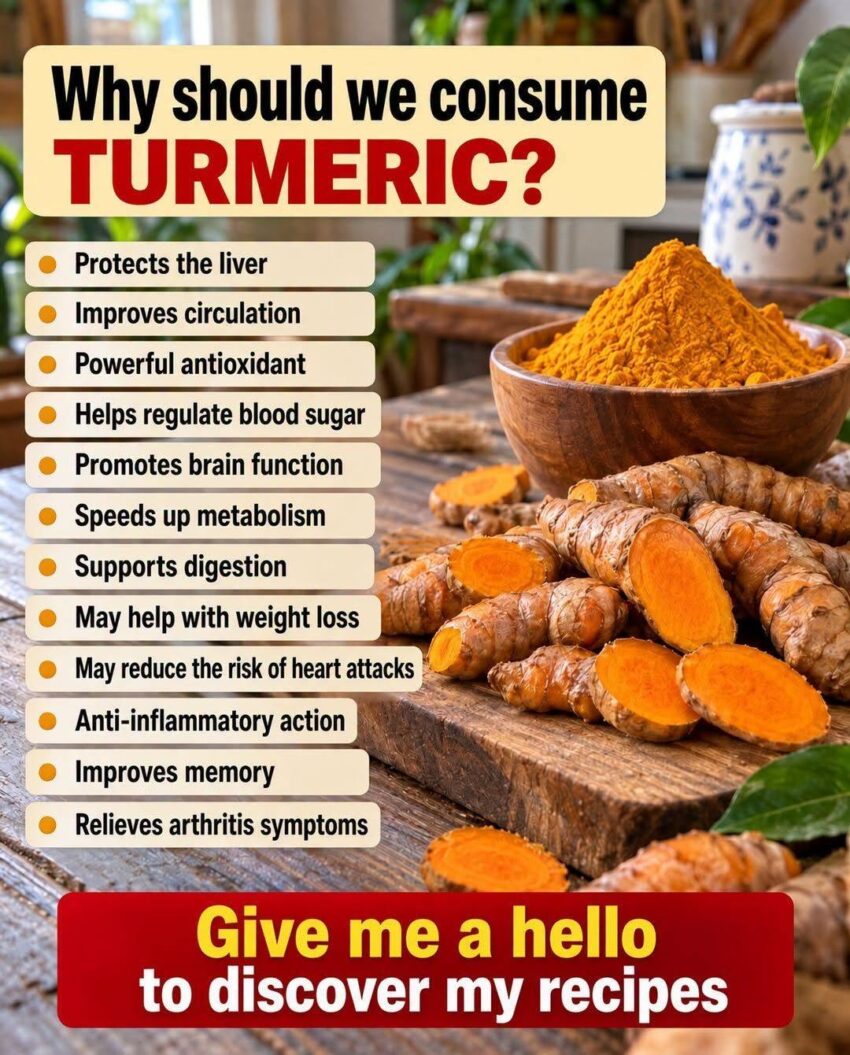
If I had to rank the claims from “I’d take this seriously” → “don’t believe the hype”:
🥇 Joint pain/OA — strongest evidence
🥈 Inflammatory markers — reasonably good evidence
🥉 Blood glucose/metabolic health — promising
4. Cholesterol/metabolic risk — promising but inconsistent
5. Cognition — interesting, not proven
6. Depression — promising adjunct
7. Antioxidant effects — real biological effect, clinical meaning less certain
8. Metabolic syndrome/weight-related markers — modest evidence
9. Anxiety — preliminary
10. Alzheimer’s prevention — unproven
11. Cancer treatment/prevention — unproven
12. “Detox” — essentially marketing
And one of the most important points: most of the impressive research is on curcumin extracts, not ordinary culinary turmeric. Whole turmeric contains only a relatively small proportion of curcuminoids, and commercial supplements vary enormously in formulation and absorption.
If you want, I can also give you a “Turmeric every day” guide — exactly how much to eat, best time of day, turmeric + black pepper + milk/oil combinations, and whether fresh turmeric is better than powder, with the evidence graded just as strictly.