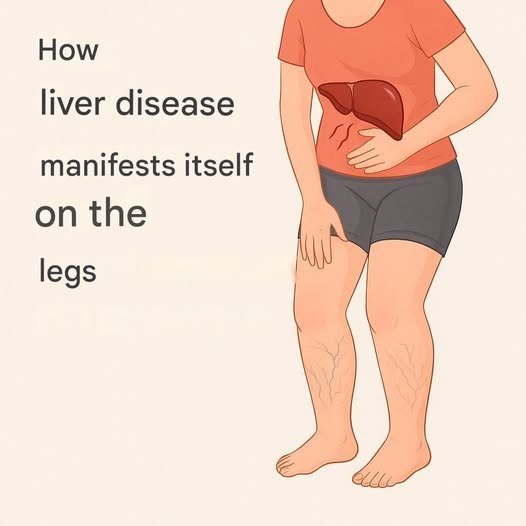
Here are five possible warning signs:
1. Swollen Legs and Ankles (Edema)
One of the most common signs of advanced liver disease is swelling in the lower legs and feet.
Why it happens:
- The liver produces albumin, a protein that helps keep fluid inside blood vessels.
- When the liver is damaged, albumin levels decrease.
- Increased pressure in the veins (called portal hypertension) also contributes to fluid leaking into tissues.
Symptoms:
- Puffy ankles and feet
- Shoes feeling tighter than usual
- Skin may appear shiny
- A finger pressed into the swollen area leaves an indentation (pitting edema)
Common liver conditions associated with it:
- Cirrhosis
- Chronic hepatitis
- Advanced fatty liver disease
2. Muscle Cramps and Weakness
Frequent leg cramps, especially at night, are common in people with chronic liver disease.
Why it happens:
- Electrolyte imbalances
- Reduced muscle energy production
- Poor nutrition
- Changes in nerve and muscle function
Symptoms:
- Sudden painful calf cramps
- Difficulty climbing stairs
- Legs tire easily
- Reduced muscle strength
3. Muscle Loss (Sarcopenia)
The liver plays a major role in metabolism. Chronic liver disease can lead to significant muscle wasting.
Signs include:
- Thin thighs and calves
- Weakness
- Difficulty standing from a chair
- Poor balance
- Weight loss despite abdominal swelling
Muscle loss is especially common in advanced cirrhosis.
4. Easy Bruising or Bleeding on the Legs
The liver makes many of the proteins needed for blood clotting.
When liver function declines:
- Bruises appear easily
- Small injuries bleed longer
- Purple patches develop after minor bumps
You may also notice:
- Frequent nosebleeds
- Bleeding gums
- Tiny red or purple spots on the skin (petechiae)
5. Itchy Legs (Pruritus)
Persistent itching without a rash can be a symptom of certain liver disorders.
Why it happens:
- Bile acids and other substances may build up in the bloodstream when bile flow is impaired.
Symptoms:
- Intense itching, often worse at night
- Commonly affects the legs, feet, hands, and arms
- Scratching may cause skin damage but doesn’t relieve the itch for long
Other Liver Symptoms to Watch For
Leg symptoms are often accompanied by other signs of liver disease, including:
- Yellowing of the skin or eyes (jaundice)
- Swollen abdomen (ascites)
- Dark urine
- Pale or clay-colored stools
- Severe fatigue
- Nausea
- Loss of appetite
- Confusion or memory problems (hepatic encephalopathy)
- Spider-like blood vessels on the skin
When to Seek Medical Care
Contact a healthcare professional if you have:
- Persistent leg swelling without an obvious cause
- Swelling with jaundice or abdominal swelling
- Severe or frequent muscle cramps
- Easy bruising or unexplained bleeding
- Persistent generalized itching
Seek emergency medical care if leg swelling is accompanied by:
- Shortness of breath
- Chest pain
- Sudden confusion
- Vomiting blood
- Black, tarry stools
- Rapidly worsening abdominal swelling
Important Note
Leg swelling, cramps, weakness, bruising, and itching are not unique to liver disease. They can also result from heart disease, kidney disease, diabetes, vein disorders, medication side effects, nutritional deficiencies, and other conditions. A healthcare professional may recommend blood tests, imaging, or other evaluations to determine the underlying cause.