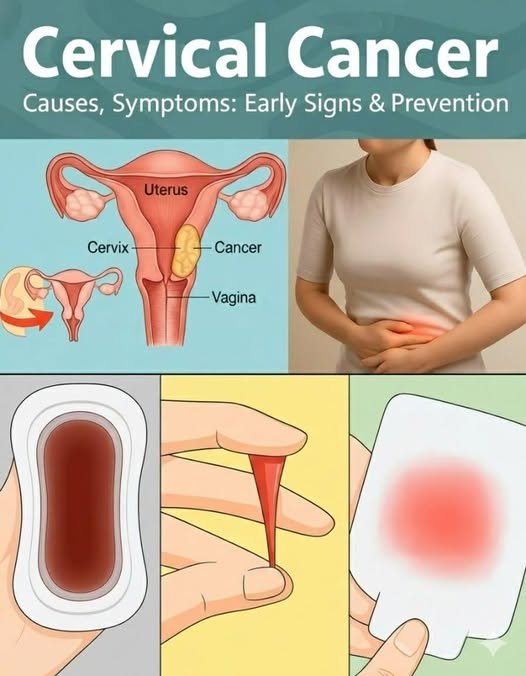
Headlines like “12 Silent Warning Signs Your Uterus Is Desperate for Help — Don’t Ignore These Signals” are designed to grab attention. While it’s true that some uterine conditions can cause subtle symptoms, the phrase “desperate for help” is sensationalized. Here’s a more balanced look at symptoms that can warrant medical evaluation.
Possible warning signs related to the uterus
- Abnormal vaginal bleeding
- Bleeding between periods
- Very heavy periods
- Bleeding after menopause
- Periods lasting longer than usual
- Persistent pelvic pain or pressure
- Ongoing pain, cramping, or a feeling of fullness in the pelvis.
- Pain during sex
- Especially if it’s new or recurring.
- Severe menstrual cramps
- Pain that disrupts daily life or worsens over time.
- Unusual vaginal discharge
- Particularly if it’s foul-smelling, bloody (outside menstruation), or accompanied by fever.
- Difficulty getting pregnant or recurrent miscarriages
- Sometimes linked to uterine abnormalities such as fibroids or structural differences.
- Frequent urination or difficulty emptying the bladder
- Large uterine fibroids can press on the bladder.
- Constipation or rectal pressure
- Pressure from an enlarged uterus or fibroids can contribute.
- Lower back pain
- Can occur with some uterine conditions, though it’s a common symptom with many possible causes.
- Abdominal swelling or bloating
- A noticeably enlarged abdomen may occur with large fibroids or other pelvic conditions.
- Fatigue
- Heavy menstrual bleeding can lead to iron-deficiency anemia, causing tiredness and weakness.
- Bleeding after menopause
- This should always be evaluated promptly, as it can be a sign of several conditions, including endometrial cancer.
What these symptoms could indicate
These symptoms may be associated with a range of conditions, including:
- Uterine fibroids
- Adenomyosis
- Endometriosis
- Endometrial polyps
- Pelvic inflammatory disease
- Endometrial cancer
Many of these conditions are treatable, and the symptoms don’t automatically mean cancer or another serious disease.
When to seek medical care
Arrange an appointment with a healthcare professional if you have:
- Heavy or prolonged menstrual bleeding.
- Pelvic pain lasting more than a few days or recurring frequently.
- Bleeding after menopause.
- Bleeding after sex.
- New symptoms that persist for several weeks.
Seek urgent medical attention if you experience:
- Sudden, severe pelvic pain.
- Heavy bleeding that soaks through one or more pads per hour for two or more hours.
- Fever with pelvic pain or foul-smelling discharge.
- Fainting, dizziness, or signs of significant blood loss.
The key takeaway is that persistent or unusual symptoms deserve evaluation, but a dramatic headline doesn’t necessarily reflect the likelihood of a serious condition. Many uterine problems are benign and can be effectively managed when diagnosed early.