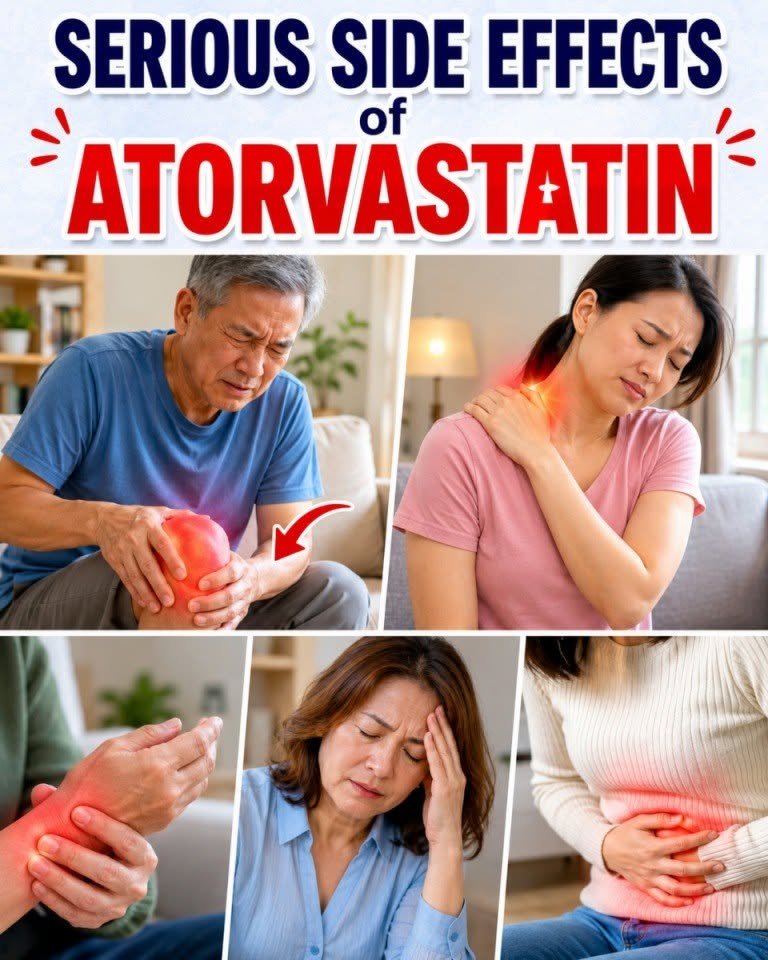
Below are 15 lesser-known side effects, what the evidence says, and practical steps you can take. Keep in mind that most people take atorvastatin without experiencing serious problems, and you should not stop taking it without discussing it with your healthcare provider, especially if you’re taking it to prevent cardiovascular disease.
1. Mild Memory Problems or “Brain Fog”
What happens?
Some people report:
- Forgetfulness
- Difficulty concentrating
- Temporary confusion
- Trouble recalling names or words
Research has produced mixed results. Large studies generally do not show a major increase in dementia risk, and in some cases statins may even reduce long-term dementia risk.
Practical steps
- Track when symptoms began.
- Stay mentally active.
- Get adequate sleep.
- Discuss symptoms with your doctor before stopping the medication.
- Ask whether another statin or dose adjustment may help.
2. Increased Blood Sugar Levels
What happens?
Atorvastatin can slightly increase blood glucose.
This is usually small but may:
- Unmask prediabetes
- Slightly increase diabetes risk in susceptible people
The cardiovascular benefits generally outweigh this risk.
Practical steps
- Check fasting glucose or HbA1c if recommended.
- Reduce sugary drinks.
- Walk 30 minutes most days.
- Lose excess weight if appropriate.
3. Liver Enzyme Elevations
What happens?
Small increases in liver enzymes are relatively common.
Most people:
- Have no symptoms
- Never develop liver disease
Rarely, serious liver injury occurs.
Warning signs
- Yellow skin
- Dark urine
- Severe fatigue
- Persistent nausea
Practical steps
- Limit alcohol intake.
- Tell your doctor about liver disease.
- Attend recommended blood tests.
4. Tendon Pain
Statins may occasionally affect tendons.
Symptoms include:
- Achilles pain
- Shoulder pain
- Elbow discomfort
- Swelling
Rarely, tendon rupture occurs.
Practical steps
- Reduce strenuous activity if pain develops.
- Report persistent tendon pain promptly.
- Avoid ignoring sudden severe pain.
5. Sleep Disturbances
Some users report:
- Vivid dreams
- Frequent waking
- Insomnia
Evidence remains mixed.
Practical steps
- Keep a consistent bedtime.
- Avoid caffeine late in the day.
- Ask whether changing the time you take atorvastatin is appropriate.
6. Peripheral Neuropathy
Rarely, people develop:
- Tingling
- Burning
- Numbness
- Pins-and-needles sensations
These symptoms may have many other causes, including diabetes and vitamin deficiencies.
Practical steps
- Report persistent numbness.
- Ask whether testing for vitamin B12 deficiency or diabetes is appropriate.
- Protect numb feet from injury.
7. Muscle Weakness Without Pain
Unlike classic muscle aches, some people notice:
- Difficulty climbing stairs
- Reduced grip strength
- Trouble standing from a chair
Rarely, this can reflect immune-mediated muscle disease.
Practical steps
- Track progression.
- Report worsening weakness promptly.
- Your clinician may check muscle enzyme levels (such as CK) if appropriate.
8. Reduced Exercise Performance
Some athletes notice:
- Earlier fatigue
- Slower recovery
- Reduced endurance
Most recreational exercisers continue exercising normally.
Practical steps
- Increase exercise gradually.
- Stay hydrated.
- Ensure adequate protein intake.
- Discuss symptoms if they interfere with training.
9. Digestive Changes Beyond Simple Stomach Upset
Less familiar symptoms include:
- Bloating
- Gas
- Reduced appetite
- Mild constipation
Practical steps
- Eat high-fiber foods.
- Drink plenty of water.
- Keep a food-and-symptom diary.
10. Skin Sensitivity
Rare reactions include:
- Mild rash
- Itching
- Increased sun sensitivity
Severe allergic skin reactions are extremely rare.
Practical steps
- Use sunscreen outdoors.
- Moisturize dry skin.
- Seek medical care urgently for blistering or widespread rash.
11. Mood Changes
A small number of people report:
- Irritability
- Low mood
- Anxiety
Research has not consistently shown that atorvastatin causes depression.
Practical steps
- Monitor changes over several weeks.
- Discuss persistent symptoms with your healthcare provider.
- Seek immediate help if you have thoughts of self-harm.
12. Sexual Side Effects
Some individuals report:
- Reduced libido
- Erectile difficulties
The evidence is mixed, and high cholesterol itself can also contribute to sexual dysfunction.
Practical steps
- Discuss symptoms openly with your clinician.
- Review other medications and health conditions that may contribute.
13. Drug Interactions That Increase Side Effects
Atorvastatin levels can increase when taken with certain medications, raising the risk of muscle injury.
Examples include some:
- Antibiotics
- Antifungal medications
- HIV treatments
- Other cholesterol medicines
Grapefruit (especially large amounts of juice) can also increase atorvastatin levels.
Practical steps
- Tell every healthcare provider you take atorvastatin.
- Check before starting new prescription, over-the-counter, or herbal products.
- Avoid large quantities of grapefruit unless your clinician advises otherwise.
14. Rare Immune-Mediated Muscle Disease
A very rare autoimmune condition can continue causing muscle weakness even after stopping the statin.
Symptoms include:
- Progressive weakness
- Difficulty lifting objects
- Trouble rising from a chair
Practical steps
- Seek prompt medical evaluation if weakness continues or worsens.
- Treatment may require specialist care and immune-suppressing medications.
15. Rhabdomyolysis (Very Rare but Serious)
This is the most serious muscle-related complication.
Symptoms include:
- Severe muscle pain
- Profound weakness
- Dark or cola-colored urine
- Fever or feeling very unwell
This can lead to kidney injury and requires urgent medical attention.
Practical steps
- Stop strenuous exercise if symptoms occur.
- Seek emergency medical care immediately.
- Inform emergency staff that you take atorvastatin.
When to Contact Your Doctor
Arrange a medical review if you develop:
- Persistent muscle pain or weakness
- Yellowing of the skin or eyes
- Persistent numbness or tingling
- Significant memory concerns
- New sleep problems that don’t improve
- Severe digestive symptoms
- Unexplained fatigue
Seek emergency care immediately if you experience:
- Severe muscle pain with dark urine
- Difficulty breathing or swelling of the face or throat
- Severe allergic reaction
- Chest pain or symptoms of a stroke
Reducing Your Risk While Taking Atorvastatin
You can help lower the chance of side effects by:
- Taking the medication exactly as prescribed.
- Keeping an up-to-date list of all medications and supplements.
- Limiting alcohol if you have liver concerns.
- Avoiding large amounts of grapefruit unless your clinician says it’s safe.
- Staying physically active with a gradual increase in exercise intensity.
- Eating a heart-healthy diet rich in vegetables, fruits, whole grains, and healthy fats.
- Attending recommended follow-up appointments and blood tests.
- Reporting new or unusual symptoms promptly rather than stopping the medication on your own.
Bottom line
Most people taking atorvastatin experience few or no side effects, and its benefits in reducing the risk of heart attack and stroke are well established. Many of the effects listed above are uncommon or rare, and several have mixed or limited evidence linking them directly to the medication. If you notice new symptoms after starting atorvastatin, discuss them with your healthcare provider, who can determine whether they are likely related to the medication and whether a dose adjustment, a switch to another statin, or further evaluation is appropriate.