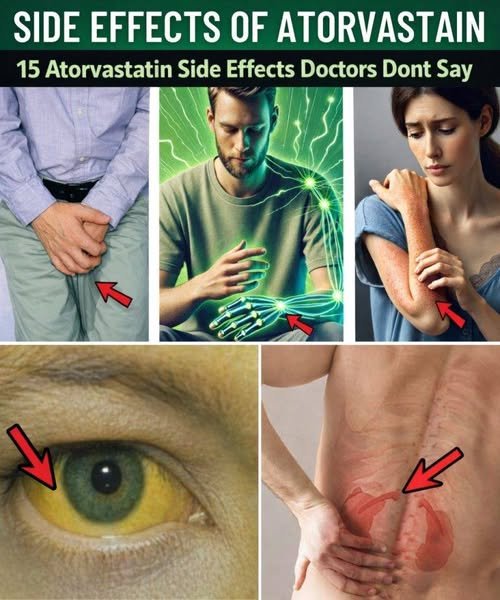
Atorvastatin is a widely prescribed medication used to lower LDL (“bad”) cholesterol, reduce triglycerides, and lower the risk of heart attack and stroke. Most people take it without serious problems, but like all medications, it can cause side effects. Understanding these potential effects can help you recognize when to contact your healthcare provider.
Important: Do not stop taking atorvastatin without consulting your healthcare provider, as stopping suddenly may increase your risk of cardiovascular events.
1. Muscle Pain (Myalgia)
Muscle pain is one of the most commonly reported side effects.
Symptoms:
- Aching or soreness in the arms, legs, or back
- Muscle tenderness
- Fatigue during physical activity
Risk factors:
- Higher doses (40–80 mg)
- Older age
- Kidney disease
- Taking certain interacting medications
What to do:
- Report persistent muscle pain to your healthcare provider.
- Blood tests may be needed to check muscle enzymes.
2. Muscle Weakness
Some people experience decreased muscle strength even without significant pain.
Symptoms:
- Difficulty climbing stairs
- Trouble lifting objects
- Weak grip strength
Why it matters:
Persistent weakness can interfere with daily activities and should be evaluated.
3. Rhabdomyolysis (Rare but Serious)
This is a rare condition involving severe muscle breakdown.
Symptoms:
- Severe muscle pain
- Extreme weakness
- Dark or cola-colored urine
- Fever
- Confusion
Why it’s dangerous:
Muscle breakdown releases substances that can damage the kidneys.
Seek emergency medical care immediately if these symptoms occur.
4. Liver Problems
Atorvastatin may occasionally affect liver function.
Symptoms:
- Yellowing of the skin or eyes (jaundice)
- Dark urine
- Pale stools
- Persistent nausea
- Pain in the upper right abdomen
Healthcare providers may recommend liver function tests if symptoms suggest liver injury.
5. Elevated Liver Enzymes
Many people have mild increases in liver enzymes without symptoms.
Usually:
- Detected on blood tests
- Temporary
- Not associated with permanent liver damage
Regular testing is generally reserved for people with symptoms or specific risk factors.
6. Digestive Problems
Digestive side effects are relatively common.
These include:
- Nausea
- Diarrhea
- Constipation
- Gas
- Indigestion
- Stomach discomfort
These symptoms often improve as the body adjusts.
7. Headache
Some patients experience headaches after starting therapy.
Characteristics:
- Mild to moderate intensity
- Often temporary
- Usually resolves within several weeks
Persistent or severe headaches should be discussed with a healthcare professional.
8. Increased Blood Sugar
Statins may slightly increase blood glucose levels.
This is more likely in people who:
- Have prediabetes
- Are overweight
- Have metabolic syndrome
Despite this risk, the cardiovascular benefits usually outweigh the small increase in diabetes risk for most patients.
9. Memory Problems or Confusion (Uncommon)
Some individuals report:
- Forgetfulness
- Difficulty concentrating
- Mild confusion
Research has not consistently shown that atorvastatin causes long-term cognitive decline, and these symptoms are uncommon. If they occur, discuss them with your clinician.
10. Sleep Disturbances
Some users report:
- Insomnia
- Frequent nighttime waking
- Vivid dreams
These effects appear to be uncommon and may improve over time.
11. Skin Reactions
Possible skin effects include:
- Rash
- Itching
- Hives
- Redness
Most are mild, but severe reactions require prompt medical evaluation.
12. Allergic Reactions (Rare)
Signs include:
- Swelling of the face, lips, tongue, or throat
- Difficulty breathing
- Severe rash
- Dizziness
This is a medical emergency and requires immediate treatment.
13. Kidney Problems (Usually Secondary to Muscle Injury)
Atorvastatin does not typically damage the kidneys directly, but severe muscle injury (rhabdomyolysis) can lead to kidney damage.
Symptoms include:
- Reduced urination
- Swelling in the legs
- Fatigue
- Dark urine
Immediate medical care is needed if these symptoms occur along with severe muscle pain.
14. Joint Pain
Some people develop:
- Stiff joints
- Aching knees
- Shoulder pain
- Hip discomfort
The cause isn’t always clear, and other conditions may also contribute.
15. Fatigue or Low Energy
Some patients report:
- Feeling unusually tired
- Reduced stamina
- Lack of energy
Persistent fatigue should be evaluated because it can also result from other medical conditions.
When to Contact Your Healthcare Provider
Contact your healthcare provider if you experience:
- Persistent muscle pain or weakness
- Yellowing of the skin or eyes
- Severe stomach pain
- Unexplained fatigue
- Persistent nausea or vomiting
- Dark urine
- New confusion or memory changes
Seek Emergency Medical Care Immediately If You Have:
- Difficulty breathing
- Swelling of the face, lips, tongue, or throat
- Severe muscle pain with dark urine
- Chest pain
- Loss of consciousness
Tips to Reduce Side Effects
- Take atorvastatin exactly as prescribed.
- Inform your healthcare provider about all medications and supplements you take, as some can increase the risk of side effects.
- Limit or avoid large amounts of grapefruit or grapefruit juice, which can increase atorvastatin levels in the body.
- Avoid excessive alcohol intake, as it may increase the risk of liver problems.
- Attend recommended follow-up appointments and blood tests if advised.
- Maintain a heart-healthy lifestyle, including regular exercise, a balanced diet, and not smoking.
Bottom Line
Atorvastatin is one of the most effective medications for lowering cholesterol and reducing the risk of heart attack and stroke. While side effects are possible, serious reactions are uncommon. Most people tolerate the medication well, and for those at increased cardiovascular risk, the benefits generally outweigh the risks. If you notice new or concerning symptoms while taking atorvastatin, consult your healthcare provider rather than stopping the medication on your own.