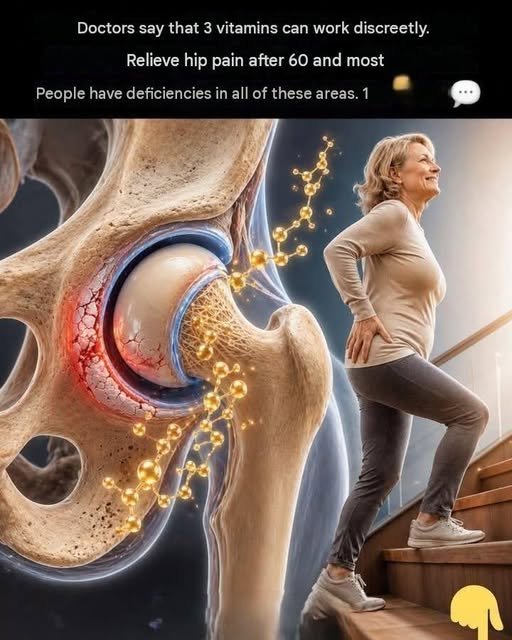
Hip osteoarthritis (OA) is a condition in which the cartilage that cushions the hip joint gradually wears down. This can lead to pain, stiffness, reduced mobility, and inflammation. While no vitamin can reverse or cure osteoarthritis, maintaining adequate levels of certain vitamins may support bone, cartilage, and joint health, especially if you have a deficiency. They work best as part of a broader treatment plan that includes exercise, weight management, and, when appropriate, medication or physical therapy.
1. Vitamin D – Supports Bone and Muscle Health
Vitamin D is one of the most important nutrients for people with hip osteoarthritis because it helps your body absorb calcium and maintain strong bones.
Benefits
- Supports healthy bone density.
- Helps maintain muscle strength, reducing the risk of falls.
- May improve physical function in people who are deficient.
- Supports normal immune function.
What the research says
People with vitamin D deficiency may experience poorer muscle function and worse joint symptoms. However, studies have generally found that vitamin D supplements do not significantly reduce osteoarthritis pain unless a deficiency is present.
Food sources
- Salmon, sardines, and mackerel
- Egg yolks
- Fortified milk and plant-based drinks
- Fortified breakfast cereals
- UV-exposed mushrooms
Daily intake
- Most adults: 600–800 IU (15–20 micrograms) daily.
- Higher doses should only be taken under medical supervision after confirming deficiency with a blood test.
2. Vitamin C – Essential for Cartilage and Collagen
Vitamin C is required to produce collagen, a major structural protein found in cartilage, tendons, ligaments, and bone.
Benefits
- Supports cartilage repair and maintenance.
- Acts as a powerful antioxidant.
- Helps protect cells from oxidative stress.
- Promotes wound healing.
- Supports immune health.
What the research says
A diet rich in vitamin C is associated with better overall joint health. However, high-dose vitamin C supplements have not consistently been shown to reduce osteoarthritis pain or slow disease progression.
Food sources
- Oranges
- Strawberries
- Kiwi fruit
- Bell peppers
- Broccoli
- Tomatoes
Daily intake
- Men: 90 mg
- Women: 75 mg
- Smokers generally require more due to increased oxidative stress.
3. Vitamin K – Supports Bone and Cartilage
Vitamin K helps regulate proteins involved in bone and cartilage metabolism.
Benefits
- Helps activate proteins important for healthy cartilage.
- Supports normal bone mineralisation.
- May contribute to maintaining joint structure.
What the research says
Some observational studies suggest that people with low vitamin K levels may have a higher risk of developing osteoarthritis or experiencing faster progression. However, clinical trials have not shown clear evidence that vitamin K supplements improve osteoarthritis symptoms in people who already have adequate levels.
Food sources
- Kale
- Spinach
- Swiss chard
- Broccoli
- Brussels sprouts
Daily intake
- Men: 120 micrograms
- Women: 90 micrograms
Important: If you take warfarin or another vitamin K–interacting anticoagulant, consult your healthcare provider before changing your vitamin K intake.
Other Nutrients Worth Considering
Although they are not vitamins, these nutrients also play important roles in musculoskeletal health:
- Calcium: Works with vitamin D to maintain strong bones.
- Omega-3 fatty acids: Found in oily fish; may help reduce inflammation associated with some joint conditions.
- Magnesium: Supports muscle and nerve function.
- Protein: Essential for maintaining muscle mass that supports the hip joint.
Lifestyle Measures That Often Have a Greater Impact
Research consistently shows that these strategies are more effective for managing hip osteoarthritis than vitamin supplements alone:
- Regular low-impact exercise (walking, swimming, cycling).
- Strengthening exercises for the hip and leg muscles.
- Maintaining a healthy weight to reduce stress on the hip joint.
- Physical therapy to improve mobility and function.
- Adequate sleep and stress management.
- Using pain-relieving medications or topical treatments as recommended by a healthcare professional.
Can Vitamins Eliminate Hip Osteoarthritis Pain?
The evidence indicates no. Vitamins are not a cure for hip osteoarthritis and are unlikely to make pain disappear on their own. They are most beneficial when they correct a deficiency or help support overall bone and joint health. If hip pain is persistent or worsening, it’s important to seek medical evaluation to confirm the diagnosis and discuss a comprehensive management plan.
Summary
| Vitamin | Primary Role | Best Food Sources | Evidence for Hip OA |
|---|---|---|---|
| Vitamin D | Bone health, muscle function | Fatty fish, fortified dairy, egg yolks | Helpful if deficient; limited pain relief otherwise |
| Vitamin C | Collagen formation, antioxidant | Citrus fruits, peppers, berries, broccoli | Supports cartilage health; limited evidence for pain reduction |
| Vitamin K | Bone and cartilage metabolism | Leafy green vegetables, broccoli | Low levels may be linked to OA; supplementation benefits remain uncertain |
A balanced diet rich in these vitamins can support overall musculoskeletal health, but they should be viewed as one part of a comprehensive approach to managing hip osteoarthritis rather than a standalone treatment.