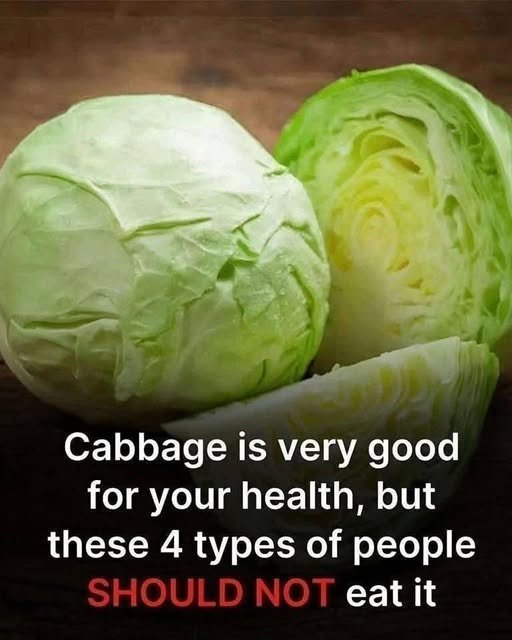
Cabbage is a nutritious vegetable rich in fibre, vitamin C, vitamin K, antioxidants, and plant compounds. However, some people may need to limit or avoid cabbage because it can worsen certain health conditions or interact with medications. Here are 4 types of people who should be careful with cabbage, with detailed explanations:
1. People with thyroid problems (especially hypothyroidism)
Cabbage belongs to the cruciferous vegetable family (along with broccoli, cauliflower, and kale). These vegetables contain natural compounds called goitrogens, which can affect how the thyroid uses iodine to make thyroid hormones.
Why caution is needed:
- Eating very large amounts of raw cabbage regularly may interfere with iodine utilisation.
- This may be more relevant for people who already have:
- Low iodine intake
- Enlarged thyroid (goitre)
- Underactive thyroid (hypothyroidism)
What to do:
- You usually do not need to completely avoid cabbage.
- Cooking cabbage reduces goitrogen activity.
- Eat a balanced diet that includes enough iodine sources (such as iodised salt, dairy products, seafood, or other iodine-rich foods if suitable for you).
2. People with digestive problems (gas, bloating, IBS)
Cabbage contains:
- Fibre
- Raffinose (a type of carbohydrate that can be difficult to digest)
- Fermentable compounds known as FODMAPs
Gut bacteria ferment these compounds, which can produce gas.
People who may experience problems:
- Those with irritable bowel syndrome (IBS)
- People prone to:
- Excess gas
- Abdominal bloating
- Stomach cramps
- Diarrhoea or constipation triggered by certain foods
Symptoms after eating cabbage may include:
- Feeling overly full
- Burping or gas
- Stomach discomfort
- Changes in bowel movements
What to do:
- Start with small portions.
- Try cooked cabbage instead of raw cabbage.
- Some people tolerate fermented cabbage (like sauerkraut) better, while others may not.
3. People taking blood-thinning medication (such as warfarin)
Cabbage is high in vitamin K, a nutrient that plays an important role in blood clotting.
Why caution is needed:
- Medicines like warfarin work by reducing vitamin K’s effect.
- Sudden increases or decreases in vitamin K intake can affect how well the medicine works.
Possible concern:
If someone taking warfarin suddenly eats a lot of cabbage after rarely eating it, it may change their INR (a measure of blood clotting).
What to do:
- Do not necessarily remove cabbage from your diet.
- Keep your intake consistent.
- Inform your healthcare provider about major diet changes.
4. People with kidney stone risk or certain kidney conditions
Cabbage contains oxalates (although generally not as high as some other vegetables). Oxalates can contribute to calcium oxalate kidney stones in susceptible individuals.
People who may need caution:
- Those with a history of:
- Calcium oxalate kidney stones
- Certain kidney disorders
- Doctor-recommended oxalate restriction
What to do:
- Avoid eating very large amounts of cabbage every day without medical advice.
- Maintain good hydration.
- Follow any kidney diet recommendations given by a healthcare professional.
Other people who may need moderation
After certain surgeries or bowel conditions
People recovering from some intestinal surgeries or those with bowel narrowing may need to limit high-fibre foods like cabbage temporarily.
People with allergies
Although rare, some people can have an allergy to cabbage and may experience:
- Itching
- Swelling
- Skin reactions
- Breathing difficulty (requires urgent medical attention)
Who can usually eat cabbage safely?
For most healthy people, cabbage is a beneficial food. It can support:
- Heart health
- Digestion
- Immune function
- Weight management
- Antioxidant protection
A typical serving (for example, a bowl of cooked cabbage or a side portion with a meal) is generally well tolerated.
If you have thyroid disease, IBS, kidney stones, or take blood thinners, it is better to discuss your personal intake with a healthcare professional rather than avoiding cabbage automatically.