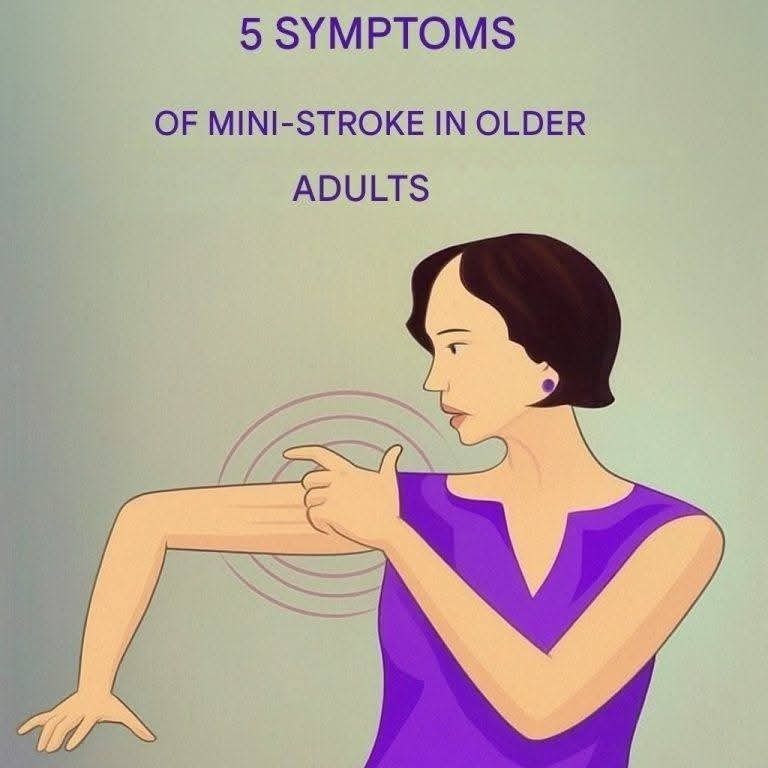
5 Symptoms of a Mini Stroke in Seniors That Shouldn’t Be Ignored
A mini stroke, medically known as a transient ischemic attack (TIA), occurs when blood flow to part of the brain is temporarily blocked. Unlike a major stroke, TIA symptoms usually resolve within minutes to hours and do not cause permanent brain damage. However, a TIA is a medical emergency because it can be an early warning that a full stroke may occur soon, especially within the next 48 hours to 90 days.
Below are five important symptoms that older adults and their caregivers should never ignore.
—
1. Sudden Weakness or Numbness on One Side of the Body
One of the most recognizable signs of a mini stroke is sudden weakness, numbness, or tingling that affects only one side of the body. This may involve the face, arm, leg, or all three.
What it may look like
One arm suddenly feels weak or difficult to lift
A leg feels heavy or unstable while walking
Numbness or tingling on one side of the face
A drooping smile or uneven facial expression
Difficulty gripping objects with one hand
Even if the weakness lasts only a few minutes and then disappears, it should never be ignored.
—
2. Trouble Speaking or Understanding Speech
A mini stroke can temporarily affect the brain areas responsible for language.
Common symptoms
Slurred speech
Difficulty finding the right words
Speaking in short or confusing sentences
Trouble understanding what others are saying
Inability to repeat a simple sentence
Family members may notice that the person suddenly sounds confused or has difficulty communicating.
—
3. Sudden Vision Changes
A TIA can interrupt blood flow to areas of the brain involved in vision or affect the blood supply to the eye.
Possible symptoms
Blurred vision
Double vision
Sudden loss of vision in one eye
Partial loss of vision
Difficulty seeing on one side
Vision changes may last only a few minutes before returning to normal, but they still require urgent medical evaluation.
—
4. Dizziness, Loss of Balance, or Difficulty Walking
Many seniors experience occasional balance problems, but a sudden change in coordination may signal a mini stroke.
Warning signs
Sudden dizziness
Trouble walking straight
Loss of coordination
Frequent stumbling
Difficulty standing without support
Feeling like the room is spinning
These symptoms are especially concerning if they begin suddenly and are accompanied by other neurological symptoms.
—
5. Sudden Confusion or Severe Headache
Some people experience sudden confusion during a TIA, while others may develop a sudden, severe headache. Although headaches are more commonly associated with bleeding strokes than TIAs, a sudden, unusual headache—particularly when combined with neurological symptoms—should be treated as an emergency.
Symptoms may include
Sudden confusion
Difficulty concentrating
Memory problems
Severe, unexplained headache
Trouble following simple instructions
—
Why Seniors Are at Higher Risk
The risk of TIA and stroke increases with age because blood vessels naturally become less flexible, and conditions that affect circulation become more common.
Common risk factors
High blood pressure
Diabetes
High cholesterol
Atrial fibrillation (an irregular heartbeat)
Heart disease
Smoking
Obesity
Physical inactivity
Previous TIA or stroke
Family history of stroke
Managing these conditions can help reduce stroke risk.
—
Remember the FAST Warning Signs
The FAST test can help identify many strokes and TIAs quickly:
F – Face: Ask the person to smile. Does one side of the face droop?
A – Arms: Ask them to raise both arms. Does one arm drift downward?
S – Speech: Is speech slurred or difficult to understand?
T – Time: Call your local emergency services immediately if any of these signs are present, even if they disappear.
—
What to Do if You Suspect a Mini Stroke
If you think someone is having a TIA:
1. Call your local emergency services immediately.
2. Note the time when symptoms started.
3. Do not wait to see if symptoms improve.
4. Do not let the person drive themselves to the hospital.
5. Follow medical advice regarding medications and further testing after evaluation.
Prompt treatment can reduce the risk of a future stroke.
—
When to Seek Immediate Medical Care
Seek emergency care right away if a senior experiences:
Sudden weakness or numbness on one side
Difficulty speaking or understanding speech
Sudden vision loss or blurred vision
Loss of balance or coordination
Sudden confusion or a severe, unexplained headache
Even if symptoms resolve within minutes, they may be a warning sign of an impending stroke and should be evaluated without delay.
Bottom Line
A mini stroke is a serious warning sign that should never be dismissed. The five key symptoms to watch for in seniors are:
1. Sudden weakness or numbness on one side of the body
2. Trouble speaking or understanding speech
3. Sudden vision changes
4. Dizziness, loss of balance, or difficulty walking
5. Sudden confusion or a severe, unexplained headache
Recognizing these symptoms early and seeking immediate medical attention can help prevent a major stroke and improve long-term health outcomes.