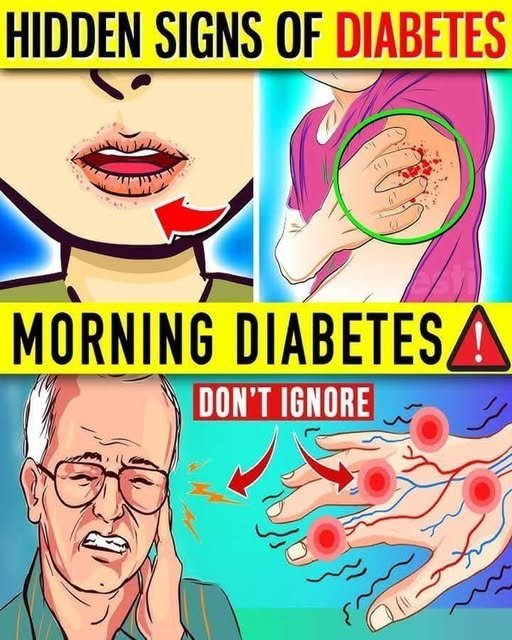
If by “7 Nighttime Diabetes Signs and Tips to Stabilize Blood Sugar recipe” you mean 7 nighttime signs of blood-sugar problems plus detailed food/recipe ideas, here’s a practical guide.
7 nighttime signs to watch for
- Waking up sweaty or shaky — can be a sign of overnight low blood sugar.
- Sudden hunger during the night — especially when accompanied by trembling, sweating, or a fast heartbeat.
- Nighttime confusion or difficulty concentrating — can occur with significant hypoglycemia.
- Frequent nighttime urination — can happen when blood glucose is high.
- Excessive thirst or a very dry mouth at night — another possible sign of elevated glucose.
- Headache or feeling unusually tired when you wake up — may occur when glucose is outside your target range overnight.
- Repeatedly waking with high blood sugar — morning highs can have several causes, including high glucose at bedtime, medication effects, or the dawn phenomenon.
Symptoms alone can’t tell you whether your glucose is high or low, so checking your blood glucose or reviewing your CGM readings is much more useful.
How to stabilize nighttime blood sugar
1. Build dinner using the Diabetes Plate
Use a roughly 9-inch plate:
- ½ plate: non-starchy vegetables — broccoli, spinach, cauliflower, green beans, peppers, salad
- ¼ plate: protein — chicken, fish, tofu, eggs, beans
- ¼ plate: quality carbohydrates — brown rice, quinoa, beans, sweet potato, whole-grain foods
- Choose water or another zero-calorie drink.
2. Avoid a large carbohydrate-heavy dinner.
A large dinner or carbohydrate-rich bedtime snack can contribute to elevated glucose that persists overnight.
3. Don’t automatically skip meals.
Regular meal timing can make glucose management easier.
4. If you need a snack, combine protein/fat with a modest carbohydrate source. Examples include apple slices with peanut butter, fruit with cheese, or vegetables with hummus.
5. Don’t change insulin or diabetes medication on your own. Repeated nighttime highs or lows should be discussed with your healthcare professional.
Simple diabetes-friendly dinner recipe
Lemon Herb Chicken + Roasted Vegetables + Quinoa
Ingredients — 2 servings
- 2 small skinless chicken breasts
- 1 cup broccoli florets
- 1 cup cauliflower
- ½ cup sliced bell pepper
- ½ cup cooked quinoa per serving
- 1 tablespoon olive oil
- 1 tablespoon lemon juice
- 1 teaspoon garlic
- ½ teaspoon dried oregano
- Black pepper
- Small amount of salt, if appropriate for you
Directions
- Heat oven to 400°F (200°C).
- Mix olive oil, lemon juice, garlic, oregano, and pepper.
- Coat the chicken with half of the mixture.
- Toss broccoli, cauliflower, and peppers with the remaining mixture.
- Place everything on a baking sheet.
- Bake vegetables for about 20–25 minutes, and cook chicken until it reaches 165°F (74°C) internally.
- Serve with about ½ cup cooked quinoa per person.
- Drink water or another unsweetened/zero-calorie beverage.
This follows the ADA’s general approach of emphasizing non-starchy vegetables, lean protein, and quality carbohydrates.
If your blood sugar is LOW at night
If your glucose is 70 mg/dL or below, the ADA recommends the 15-15 rule: take 15 grams of fast-acting carbohydrate, wait 15 minutes, and recheck. If it remains below 70 mg/dL, repeat. Examples include glucose tablets or 4 oz of juice/regular soda.
If you’re having repeated nighttime lows, severe confusion, seizures, loss of consciousness, or you cannot safely swallow, seek urgent medical help. Do not try to force food or drink into an unconscious person.
For recurring nighttime highs or lows, recording your bedtime, overnight, and morning glucose readings can help your clinician determine whether food, medication, or the dawn phenomenon is responsible.