Here is a detailed, medically cautious version of “9 Foot Symptoms You Should Never Ignore.” Some foot symptoms are minor, but certain changes can signal infection, fracture, nerve damage, circulation problems, or other conditions that need prompt medical attention.
9 Foot Symptoms You Should Never Ignore
Your feet carry you through almost everything you do—walking, standing, exercising, working, and daily activities. Because foot pain and other changes are common, it can be tempting to ignore them or assume they will disappear on their own.
Sometimes they do. However, certain foot symptoms can be warning signs of a more serious problem. Severe injury, infection, nerve problems, poor circulation, and some systemic conditions can initially show up through changes in the feet.
Here are 9 foot symptoms you should never ignore, along with what they may mean and when you should seek medical attention.
1. Severe or Sudden Foot Pain
Occasional mild soreness after a long day or strenuous activity is usually not alarming. But severe, sudden, or rapidly worsening foot pain deserves attention, particularly when there is no obvious explanation.
What it may indicate
Severe pain can occur with:
- A broken bone or serious sprain
- Tendon or ligament injury
- Severe inflammation
- Nerve compression or nerve injury
- Infection
- Circulation problems
- Certain forms of arthritis or gout
- Compartment syndrome after significant trauma
If severe pain occurs after a fall, accident, twisting injury, or direct blow, don’t assume it is simply a sprain. Some foot fractures can still allow you to walk, so being able to put weight on the foot does not necessarily rule out a fracture.
When to seek medical care
Seek urgent medical attention if the pain is severe, rapidly worsening, associated with significant swelling, follows a serious injury, or prevents you from walking or putting weight on the foot.
2. Sudden Swelling, Especially With Pain or Redness
Swelling can happen after exercise, an injury, or standing for long periods. But sudden or substantial swelling should not automatically be dismissed.
Pay particular attention when swelling is accompanied by:
- Severe pain
- Redness
- Warmth
- Tenderness
- Bruising
- Difficulty walking
- A change in the shape of the foot
- Fever
These symptoms can occur with injuries, inflammation, or infection.
Sudden swelling of one leg or foot can sometimes also be related to a circulation problem or blood clot, particularly when the swelling is accompanied by pain, warmth, or discoloration.
Emergency warning
If leg or foot swelling occurs together with chest pain, shortness of breath, fainting, dizziness, or coughing up blood, seek emergency medical help immediately because these symptoms can indicate a potentially life-threatening clot-related complication.
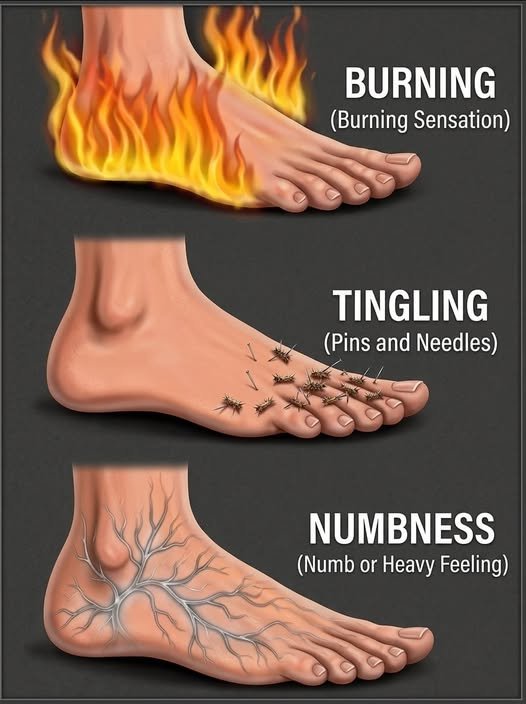
3. Numbness, Tingling, or Burning
A foot that occasionally “falls asleep” after sitting in one position is usually harmless. Persistent or recurring numbness, tingling, burning, or reduced sensation, however, should not be ignored.
These symptoms may be related to:
- Nerve compression
- Peripheral neuropathy
- Diabetes-related nerve damage
- Certain vitamin deficiencies
- Back or nerve-root problems
- Circulation problems
- Other neurological conditions
Burning, numbness, or tingling involving much of the bottom of the foot is a reason to arrange a medical evaluation, particularly if the symptoms persist.
Why numbness can be dangerous
Reduced sensation means you may not notice a blister, cut, burn, pressure injury, or other wound. The injury can then become worse before you realize it.
For people with diabetes, nerve damage can reduce the ability to feel pain, heat, or cold, while circulation problems can make wounds slower to heal.
Seek emergency help if
Numbness begins suddenly and is accompanied by weakness, paralysis, confusion, difficulty speaking, dizziness, or a sudden severe headache. Sudden neurological symptoms can represent a medical emergency.
4. A Foot Wound That Won’t Heal
A small cut or blister should generally begin improving with appropriate care. A wound that doesn’t heal, keeps reopening, becomes larger, or develops drainage needs medical attention.
Watch for:
- Increasing redness
- Swelling
- Warmth
- Increasing pain
- Pus or other discharge
- Foul odor
- Fever
- Darkening or unusual skin color
- Worsening or spreading redness
These can be signs of infection.
Why this is especially important with diabetes
People with diabetes can develop nerve damage and circulation problems that make foot injuries harder to notice and slower to heal. A seemingly small wound can therefore become a serious problem.
A deep, non-healing, swollen, warm, or discolored foot wound in someone with diabetes warrants prompt medical attention.
5. Red, Hot, Swollen Skin or Pus
A foot that suddenly becomes red, warm, swollen, tender, or painful may be infected.
An infection can begin around:
- A cut
- Blister
- Ingrown toenail
- Puncture wound
- Insect bite
- Cracked skin
- Surgical wound
Other warning signs include fever, chills, increasing pain, drainage, or redness that appears to spread.
Mayo Clinic recommends immediate medical attention for foot pain accompanied by an open wound, pus or discharge, or signs of infection such as changes in skin color, warmth, tenderness, or fever.
Don’t wait for severe pain
An infection can sometimes become serious even when the initial wound appears relatively small. This is particularly important for people with diabetes or reduced sensation in their feet.
6. A Change in Foot Color or Temperature
Pay attention if one foot suddenly becomes:
- Very pale
- Blue or purple
- Unusually red
- Darker than normal
- Noticeably colder than the other foot
A major change in color or temperature can sometimes indicate a problem with blood flow.
This is especially concerning when the change occurs suddenly and is accompanied by:
- Severe pain
- Numbness
- Weakness
- Swelling
- Difficulty moving the foot
- Loss of sensation
A foot that is unusually pale or cool, particularly when accompanied by swelling or pain, requires prompt medical assessment.
Why circulation matters
Your feet need adequate blood flow to deliver oxygen and nutrients and to support healing. Reduced circulation can make injuries more difficult to heal and, in severe cases, can threaten tissue.
7. A New Deformity or Inability to Walk Normally
If the shape of your foot suddenly changes after an injury, or you cannot walk normally, don’t simply “walk it off.”
Possible warning signs include:
- A visibly crooked or misshapen foot
- A bone appearing out of position
- Severe bruising
- Significant swelling
- Inability to put weight on the foot
- Severe pain when walking
- Loss of normal movement
These symptoms can occur with fractures, dislocations, severe sprains, or tendon injuries.
An obvious deformity, exposed tissue or bone, or inability to bear weight requires urgent medical assessment.
Important point
Being able to walk does not completely rule out a fracture. Some foot fractures still allow a person to bear weight.
8. Severe Heel Pain With Weakness or Loss of Function
Heel pain is common and can sometimes improve with rest and conservative care. But severe heel pain after an injury, especially when accompanied by swelling or loss of function, should be evaluated promptly.
Be especially cautious if you:
- Suddenly cannot walk normally
- Cannot rise onto your toes
- Cannot push the foot downward normally
- Have significant swelling
- Develop numbness or tingling
- Have severe pain after jumping, falling, or another injury
These symptoms can occur with significant tendon, bone, or soft-tissue injuries.
Mayo Clinic recommends immediate medical attention for serious heel pain after an injury, serious pain and swelling around the heel, inability to walk normally, or heel pain associated with fever and numbness or tingling.
9. Persistent Foot Pain That Keeps Getting Worse
Not every serious foot problem starts dramatically. Sometimes the warning sign is simply pain that refuses to go away.
Make an appointment with a healthcare professional if:
- Pain continues for weeks
- Pain gradually becomes worse
- Swelling doesn’t improve after several days
- Pain interferes with work or normal activities
- Burning or tingling continues
- Pain occurs even when you’re resting
- Symptoms repeatedly return
- You don’t know what is causing the pain
Persistent symptoms can have many causes, including overuse injuries, arthritis, nerve problems, tendon disorders, stress injuries, and other conditions.
Ignoring persistent pain can sometimes allow a manageable problem to become more difficult to treat.
When Foot Symptoms Are an Emergency
Seek emergency medical care rather than waiting for a routine appointment if you have:
- Severe pain after a significant injury
- An obvious deformity
- Exposed bone or tissue
- Inability to walk or put weight on the foot
- A rapidly worsening infection
- Significant swelling with severe pain
- A suddenly cold, pale, blue, or severely discolored foot
- Sudden numbness or weakness
- Foot or leg symptoms accompanied by chest pain or difficulty breathing
These symptoms can indicate serious injury, infection, circulation problems, or other emergencies.
Special Warning for People With Diabetes
If you have diabetes, don’t wait for a foot problem to become painful before taking it seriously.
Diabetes can cause nerve damage that reduces sensation and circulation problems that interfere with healing. As a result, a person may have a significant wound without experiencing much pain.
Check your feet regularly for:
- Cuts
- Blisters
- Redness
- Swelling
- Sores
- Changes in skin color
- Cracked skin
- Nail problems
- Changes in temperature
- Areas of numbness
The CDC recommends checking the feet daily and seeking appropriate professional foot care, particularly when abnormalities are found.
The Bottom Line
Most everyday foot aches are not emergencies. However, severe pain, significant swelling, persistent numbness, non-healing wounds, infection symptoms, major color or temperature changes, deformity, or inability to walk normally should not be ignored.
Your feet can sometimes provide early clues that something is wrong. Paying attention to changes and getting medical evaluation when warning signs appear can help identify problems before they become more serious.
Important: This information is for general education and does not diagnose a specific condition. If you have severe or rapidly worsening symptoms, an open wound, signs of infection, sudden loss of sensation, major color changes, or difficulty walking, seek medical care promptly.
If you want, I can also turn this into a SEO-friendly 1,500–2,000 word health article with a catchy introduction, meta title, meta description, FAQs, and conclusion.