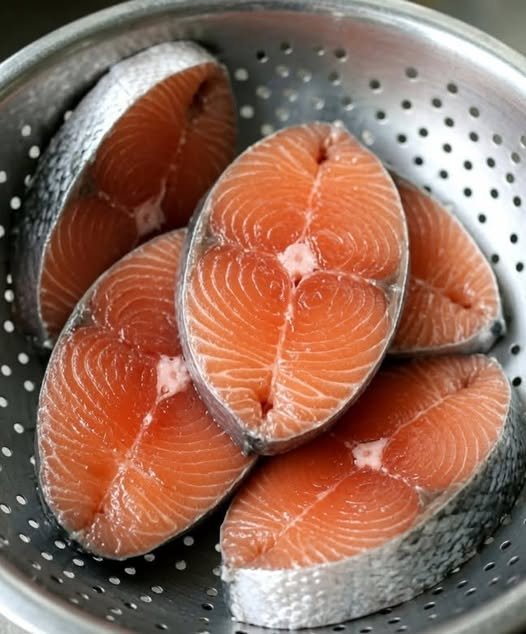
Absolutely. Fish is one of the most nutrient-dense foods you can include in a balanced diet. It provides high-quality protein, omega-3 fatty acids (EPA and DHA), vitamin D, vitamin B12, iodine, selenium, and other important nutrients. The benefits vary somewhat depending on the type of fish and how it is prepared.
9 Health Benefits of Eating Fish
1. ❤️ Supports heart health
One of the best-known benefits of fish is its potential to support cardiovascular health.
Fatty fish such as salmon, sardines, herring, trout, and Atlantic mackerel contain omega-3 fatty acids, particularly EPA and DHA. These fats are associated with cardiovascular benefits. The American Heart Association recommends eating non-fried seafood at least twice a week, particularly fish rich in long-chain omega-3 fatty acids.
Eating fish as part of an overall healthy diet may help reduce the risk of cardiovascular problems, including coronary heart disease and ischemic stroke.
Best choices: salmon, sardines, trout, herring and Atlantic mackerel.
2. 🧠 Supports brain health and development
Fish provides nutrients that are important for the brain, especially DHA, an omega-3 fatty acid that is a structural component of brain tissue.
Fish also provides vitamin B12, iodine, selenium, protein and other nutrients involved in normal neurological function. During pregnancy and childhood, nutrients from fish are particularly important for brain development. The FDA notes that moderate evidence indicates fish consumption during pregnancy can support the baby’s cognitive development.
For adults, fish can be a useful part of an overall healthy eating pattern that supplies nutrients needed for normal brain function.
3. 👶 Helps support pregnancy and baby’s development
Fish can be particularly valuable during pregnancy because it provides DHA, EPA, protein, iodine, iron, choline, vitamin B12 and other nutrients.
These nutrients contribute to the development of the baby’s brain and nervous system. Choline is also important for development of the baby’s spinal cord.
The important point is choosing lower-mercury fish, rather than avoiding fish altogether.
The FDA/EPA recommends that pregnant or breastfeeding people eat 8–12 ounces of a variety of lower-mercury fish per week.
4. 💪 Excellent source of high-quality protein
Protein is needed to build and repair muscles, skin, organs and other tissues.
Most fish provide complete, high-quality protein, meaning they contain all nine essential amino acids that your body cannot produce on its own. Fish can therefore be a nutritious alternative to some higher-saturated-fat meats.
For example, salmon, tuna, cod, tilapia and trout can provide substantial protein in a relatively moderate-calorie serving.
Fish also provides other nutrients that may be difficult to obtain from a single food, including selenium, vitamin B12 and, depending on the species, vitamin D and iodine.
5. 🦴 May help support bone health
Some fish can contribute to healthy bones because they provide nutrients such as vitamin D, protein, phosphorus and selenium.
Fatty fish, including salmon and trout, can be particularly useful sources of vitamin D. Vitamin D helps your body absorb calcium, which is important for maintaining strong bones.
The FDA reports that healthy eating patterns relatively higher in fish have been associated with promotion of bone health and a lower risk of hip fractures, although this evidence relates to the overall eating pattern rather than fish alone.
6. 👁️ Provides nutrients important for eye health
Fish can contribute to eye health through its omega-3 fatty acids and other nutrients.
DHA is concentrated in the retina of the eye, where it plays an important structural role. Fatty fish are particularly rich in DHA.
Fish also provides nutrients such as vitamin A in some species. However, it is important not to claim that eating fish alone prevents eye diseases—the evidence is stronger for fish as part of an overall nutritious dietary pattern.
7. ⚖️ Can be useful for healthy weight management
Fish can be a good choice for people trying to maintain a healthy weight because it can provide a lot of protein without necessarily providing a lot of calories, particularly when choosing lean varieties.
Protein can help with satiety, meaning you may feel full after eating.
Examples of relatively lean fish include:
- Cod
- Haddock
- Pollock
- Flounder
- Tilapia
- Sole
The FDA reports that eating patterns relatively higher in fish, together with vegetables, fruits, whole grains, legumes and other healthy foods, are associated with a decreased risk of becoming overweight or obese.
Important: fried fish, creamy sauces and heavily processed fish products can add substantial calories, saturated fat or sodium. Preparation matters.
8. 🛡️ Provides important vitamins and minerals
Fish is not just about omega-3s. It contains a wide range of micronutrients.
Depending on the species, fish can provide:
- Vitamin B12 — important for red blood cells and normal nervous-system function.
- Vitamin D — important for calcium absorption, bones and immune function.
- Selenium — an essential mineral involved in antioxidant defense and thyroid function.
- Iodine — needed to produce thyroid hormones.
- Zinc — involved in immune function and many biological processes.
- Iron — important for hemoglobin and oxygen transport.
- Choline — important for cell membranes, neurotransmitter production and development.
The FDA specifically identifies fish as a source of protein, healthy fats, vitamin B12, vitamin D, selenium, iodine, iron, zinc and choline, although the amounts vary considerably between species.
9. 🧬 May contribute to overall healthy aging
A diet containing fish can provide a combination of high-quality protein, omega-3 fats, vitamins and minerals, making it useful as part of a healthy eating pattern throughout adulthood.
Rather than thinking of fish as a single “superfood,” it is better to think about the overall dietary pattern. Fish eaten alongside vegetables, fruits, whole grains, legumes, nuts and other nutritious foods is associated with several health benefits. The FDA reports associations between fish-containing healthy dietary patterns and heart health, bone health, healthy weight, and lower risk of colorectal cancers.
Importantly, these associations do not mean that fish by itself prevents cancer or other diseases.
🐟 Which fish are particularly nutritious?
For omega-3s, good options include:
| Fish | Main nutritional advantage |
|---|---|
| Salmon | Rich in EPA/DHA, protein and vitamin D |
| Sardines | Omega-3s, protein, vitamin D and calcium when bones are eaten |
| Trout | Omega-3s, protein and vitamin D |
| Herring | Rich in omega-3s and vitamin B12 |
| Atlantic mackerel | Very high in omega-3s |
| Anchovies | Omega-3s, protein and minerals |
| Cod | Lean, high-quality protein |
| Pollock | Lean protein and generally low in fat |
The FDA’s advice emphasizes choosing a variety of fish, particularly lower-mercury choices.
How much fish should you eat?
For most adults, the Dietary Guidelines recommendation cited by the FDA is at least 8 ounces of fish per week on a 2,000-calorie diet. The American Heart Association recommends seafood at least twice per week, particularly non-fried seafood.
A practical approach is 2 servings per week, with each serving around 4 ounces before cooking.
One important safety point
Not all fish are equally low in mercury. Larger, long-lived predatory fish can accumulate more mercury. This is especially important for pregnant or breastfeeding people and young children. The FDA/EPA provides a specific list of lower-mercury “Best Choices.”
Also, baking, grilling, steaming or broiling fish is generally preferable to deep-frying if your goal is a heart-healthy diet.
Bottom line: Fish can provide high-quality protein plus omega-3 fatty acids and many essential vitamins and minerals. Regularly eating a variety of lower-mercury fish—especially non-fried fish—can be an excellent part of a balanced diet.