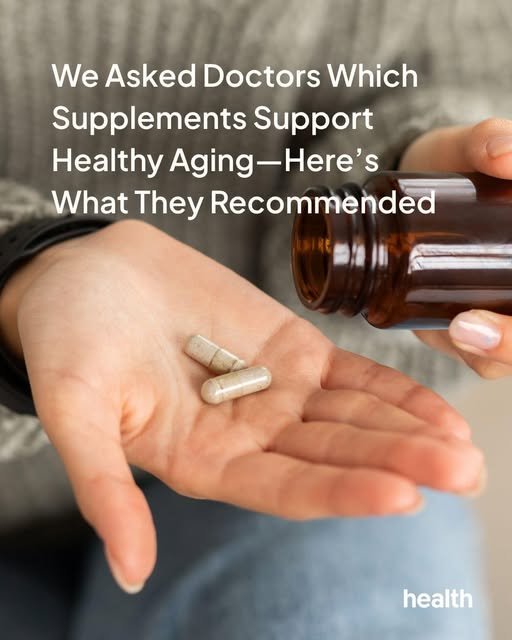
. The best choices depend on age, diet, medications, lab results, and health conditions.
1. Vitamin D3 (often paired with Vitamin K2)
Why it may help with aging
Vitamin D plays important roles in:
- Bone strength and calcium absorption
- Muscle function and balance
- Immune system regulation
- Maintaining normal inflammation responses
Low vitamin D levels are common, especially in older adults, people with limited sun exposure, and those with darker skin living in areas with less sunlight.
Common forms
- Vitamin D3 (cholecalciferol): Usually preferred because it raises blood vitamin D levels effectively.
- Vitamin K2: Sometimes combined with D3 because it helps regulate calcium movement into bones, though evidence for combination products varies.
Typical amounts
Many adults take 1,000–2,000 IU daily, but some people need different doses based on blood testing.
Food sources
- Fatty fish
- Egg yolks
- Fortified milk or plant milks
Caution
High doses over long periods can cause excessive calcium levels and kidney problems. Blood testing is useful if taking larger doses.
2. Omega-3 Fatty Acids (Fish Oil)
Why it may help with aging
Omega-3s contain:
- EPA
- DHA
They support:
- Heart health
- Brain structure and function
- Normal triglyceride levels
- Healthy inflammatory balance
Potential benefits
Research suggests omega-3 intake may be associated with:
- Better cardiovascular health
- Support for cognitive function
- Maintaining eye health
Typical amounts
Common supplemental doses range from:
- 250–1,000 mg/day of combined EPA + DHA
Higher doses are usually reserved for specific medical reasons under supervision.
Food sources
- Salmon
- Sardines
- Mackerel
- Anchovies
Caution
Fish oil may interact with blood-thinning medications and can increase bleeding risk at high doses.
3. Magnesium
Why it may help with aging
Magnesium is involved in more than 300 body processes, including:
- Muscle and nerve function
- Energy production
- Blood pressure regulation
- Bone metabolism
- Sleep regulation
Older adults may have lower magnesium intake due to dietary changes or certain medications.
Common forms
- Magnesium glycinate: Often used for relaxation and gentle digestion.
- Magnesium citrate: Absorbs well but may loosen stools.
- Magnesium oxide: Less expensive but generally absorbed less efficiently.
Typical amount
Around 200–400 mg/day depending on diet and individual needs.
Food sources
- Nuts
- Seeds
- Beans
- Dark leafy greens
Caution
People with kidney disease should consult a doctor before supplementing.
4. Protein Supplements (Whey, Plant Protein, or Collagen)
Why it may help with aging
Aging is associated with gradual muscle loss (sarcopenia). Adequate protein supports:
- Muscle maintenance
- Strength
- Recovery after exercise
- Healthy metabolism
Common options
Whey protein
- Complete protein
- Rich in leucine, an amino acid important for muscle protein building
Plant proteins
- Pea, soy, rice, or blended proteins
- Useful for people avoiding dairy
Collagen peptides
- May support skin elasticity and joint comfort
- Not a complete muscle-building protein source by itself
Typical protein needs
Many older adults benefit from approximately:
- 1.0–1.2 grams of protein per kilogram of body weight daily
(depending on health and activity level)
5. Creatine Monohydrate
Why it may help with aging
Creatine is one of the most researched performance supplements. It may support:
- Muscle strength
- Lean muscle mass
- Exercise performance
- Physical function in older adults
Some research also explores possible brain-related benefits.
Typical amount
- 3–5 grams daily
A loading phase is usually unnecessary for general health.
Food sources
- Meat
- Fish
Caution
People with kidney disease should discuss creatine use with a healthcare professional.
6. Fiber Supplements (Psyllium Husk)
Why it may help with aging
Fiber supports:
- Digestive health
- Regular bowel movements
- Healthy cholesterol levels
- Blood sugar control
- Gut bacteria balance
Many adults do not reach recommended fiber intake through food alone.
Common form
Psyllium husk is a soluble fiber that forms a gel-like substance in the digestive tract.
Typical amount
Often:
- 5–10 grams daily, increased gradually
Food sources
- Vegetables
- Beans
- Oats
- Whole grains
- Fruits
Caution
Take with plenty of water. It may affect absorption of some medications if taken too close together.
7. B Vitamins (Especially B12)
Why they may help with aging
Vitamin B12 is important for:
- Nerve health
- Red blood cell production
- DNA synthesis
- Energy metabolism
B12 deficiency becomes more common with age because stomach acid levels may decrease, reducing absorption.
People who may need extra attention
- Adults over 50
- Vegetarians and vegans
- People taking acid-reducing medications
- People with absorption problems
Typical forms
- Cyanocobalamin
- Methylcobalamin
Food sources
- Meat
- Fish
- Eggs
- Dairy products
- Fortified foods
8. Coenzyme Q10 (CoQ10)
Why it may help with aging
CoQ10 helps mitochondria produce energy inside cells.
It is often considered by people who want support for:
- Heart health
- Energy metabolism
- Muscle comfort
Levels may decline with age, and some cholesterol-lowering medications (statins) may reduce CoQ10 levels.
Typical amount
Common doses:
- 100–300 mg/day
Forms
- Ubiquinone
- Ubiquinol (often marketed as better absorbed)
Caution
Discuss with a doctor if taking blood pressure medications or blood thinners.
9. Multivitamin (Targeted, Not Mega-Dose)
Why it may help with aging
A well-formulated multivitamin can help fill nutritional gaps when diet is incomplete.
Potentially useful nutrients include:
- Vitamin D
- B12
- Zinc
- Vitamin C
- Selenium
- Folate
What to look for
Choose:
- Age-appropriate formulas
- Around 100% of daily values for many nutrients
- Third-party tested products
Avoid:
- Extremely high doses
- “Mega-dose” formulas unless medically indicated
Other Supplements Sometimes Considered for Healthy Aging
Depending on individual needs, doctors may discuss:
Calcium
Important for bones, but many people can meet needs through food. Excess supplementation may not be appropriate for everyone.
Zinc
Supports immunity and wound healing. Long-term high doses can cause copper deficiency.
Lutein + Zeaxanthin
Carotenoids that support eye health, especially the macula.
Probiotics
May help certain digestive issues, though benefits depend heavily on the specific strain.
What Doctors Usually Check Before Recommending Supplements
A healthcare professional may consider:
- Blood vitamin D level
- Vitamin B12 level
- Iron status
- Kidney function
- Bone density
- Diet pattern
- Medications
- Exercise habits
Supplements With the Strongest General Evidence for Many Older Adults
A practical priority list often looks like:
- Adequate protein
- Vitamin D (if low)
- Omega-3s (especially if fish intake is low)
- Creatine for muscle support
- Fiber
- Magnesium if intake is low
- B12 if risk of deficiency
- CoQ10 for selected situations
- A quality multivitamin when diet gaps exist
Before starting several supplements at once, it is usually better to identify specific needs because supplements can interact with medications and each other.