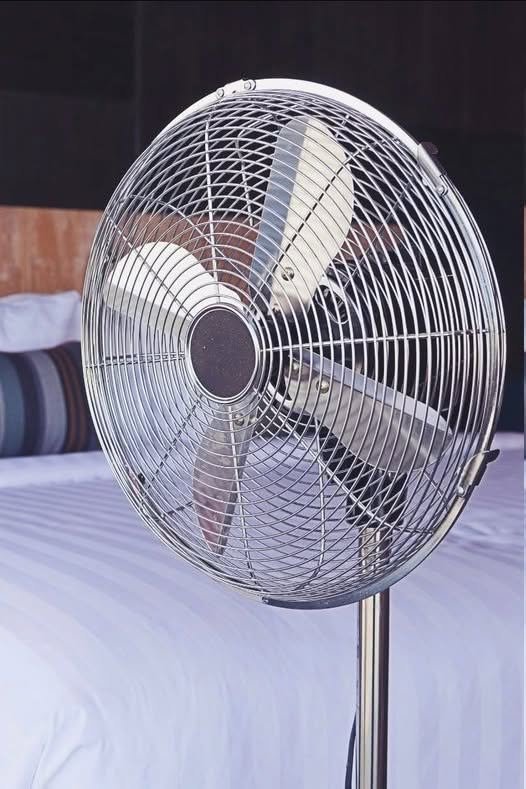
Here’s a detailed explanation:
Possible Downsides of Sleeping with a Fan On
1. Dry Eyes, Nose, and Throat
A fan creates constant airflow, which can:
- Dry out your eyes, especially if you sleep with them slightly open.
- Dry your nose and throat, leading to irritation or a sore throat in the morning.
- Be more noticeable if you wear contact lenses or already have dry eye syndrome.
Tip: Stay hydrated or use a humidifier if your room is very dry.
2. Allergy Symptoms
Fans can circulate:
- Dust
- Pollen
- Pet dander
- Mold spores
If your fan blades or room are dusty, these particles can spread through the air and worsen allergies or asthma.
Tip: Clean the fan regularly and vacuum your room often.
3. Muscle Stiffness
If cool air blows directly onto one part of your body all night, some people wake up with:
- A stiff neck
- Shoulder pain
- Muscle tightness
This isn’t because the fan damages muscles, but because prolonged exposure to cool air may contribute to muscle discomfort in some people.
4. Dry Skin
Continuous airflow can increase evaporation from your skin, making it feel dry, particularly if the air is already low in humidity.
5. Temperature Discomfort
If the room becomes too cool overnight, you may:
- Wake up feeling cold.
- Have disrupted sleep because your body has to adjust to the changing temperature.
Benefits of Sleeping with a Fan On
A fan can also improve sleep for many people by:
- Keeping the room cooler, which often helps people fall asleep.
- Providing “white noise” that masks sounds like traffic or neighbors.
- Improving air circulation, making the room feel more comfortable.
Who Should Be More Careful?
You may want to limit direct fan use if you have:
- Asthma
- Seasonal allergies
- Chronic sinus problems
- Very dry eyes or dry skin
- Neck or muscle pain that seems worse after sleeping
How to Use a Fan Safely at Night
- Don’t aim the fan directly at your face or body.
- Keep the fan clean to reduce dust circulation.
- Maintain a comfortable room temperature (generally around 16–19°C (60–67°F) for many adults).
- Use a humidifier if the air feels very dry.
- Drink enough water throughout the day.
Conclusion
There is no scientific evidence that sleeping with a fan on is dangerous for most healthy people. The idea that you should never sleep with a fan is a myth. While a fan may cause dryness, circulate allergens, or contribute to muscle stiffness in some individuals, it can also help many people sleep better by keeping the room cool and providing soothing background noise. The best approach is to use a fan in a way that keeps you comfortable and minimizes any unwanted effects.