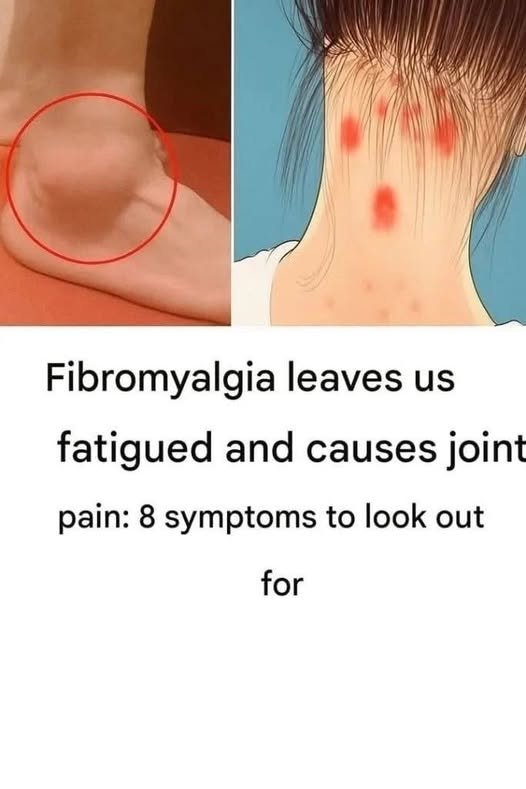
Fibromyalgia is a real, medically recognized condition—but it is not accurately described as “the disease of unexpressed emotions.” That idea comes from older psychosomatic theories and popular psychology, but it is not supported by modern medical evidence.
Let’s break it down clearly and in detail.
What is Fibromyalgia?
Fibromyalgia is a chronic pain condition characterized by:
- Widespread musculoskeletal pain (lasting more than 3 months)
- Extreme fatigue
- Sleep disturbances (non-restorative sleep)
- Cognitive problems (“fibro fog”)
- Headaches or migraines
- Increased sensitivity to pain, touch, temperature, or noise
It is considered a central nervous system pain processing disorder, meaning the brain and spinal cord process pain signals abnormally.
What causes fibromyalgia?
There is no single cause, but research shows it is linked to a combination of biological and neurological factors:
1. Central sensitization (key mechanism)
- The nervous system becomes “overactive”
- Normal sensations are interpreted as pain
- Pain amplification happens in the brain and spinal cord
2. Genetics
- It can run in families
- Certain genes affect pain sensitivity
3. Triggering events
Many cases begin after:
- Physical trauma (accidents, surgery)
- Infections
- Severe stress or illness
4. Brain chemistry changes
Studies show altered levels of:
- Serotonin
- Dopamine
- Substance P (pain signaling chemical)
These affect pain regulation, sleep, and mood.
Is fibromyalgia caused by emotions?
Short answer: No.
But there is an important nuance:
What is true:
- Stress and trauma can trigger or worsen symptoms
- Anxiety and depression are common co-existing conditions
- Emotional stress can increase pain sensitivity
What is NOT true:
- It is not caused by “repressed emotions”
- It is not purely psychological
- It is not imagined or psychosomatic
Modern medicine classifies fibromyalgia as a neurological pain processing disorder, not an emotional disease.
Why do people link it to emotions?
This idea comes from outdated theories that:
- Chronic pain without clear tissue damage must be psychological
- Emotional stress “creates” physical disease
We now know:
- Brain imaging shows real functional differences in pain pathways
- Patients have measurable changes in pain processing
- Symptoms persist even without emotional distress
So emotions may influence symptoms, but they are not the root cause.
Symptoms in detail
Pain characteristics
- Widespread (both sides of body, above and below waist)
- Burning, aching, or stabbing sensations
- Migrating pain (moves around body)
Fatigue
- Feels like “flu-like exhaustion”
- Not relieved by rest
Sleep issues
- Light sleep
- Frequent waking
- Waking up unrefreshed
Cognitive symptoms (“fibro fog”)
- Forgetfulness
- Difficulty concentrating
- Slowed thinking
Diagnosis
There is no single lab test. Diagnosis is based on:
- Symptom history
- Duration (>3 months)
- Exclusion of other conditions (like thyroid disease, rheumatoid arthritis, vitamin deficiencies)
Doctors often use criteria from rheumatology guidelines.
Treatment
There is no permanent cure, but symptoms can be managed.
1. Medications
- Pain modulators (e.g., duloxetine, pregabalin)
- Low-dose antidepressants (for sleep and pain regulation)
2. Exercise (very important)
- Gentle aerobic activity (walking, swimming)
- Gradual strengthening
- Helps reduce pain sensitivity over time
3. Sleep improvement
- Consistent sleep schedule
- Reducing caffeine and screen time at night
4. Cognitive behavioral therapy (CBT)
- Helps coping strategies
- Not because the disease is “psychological,” but because chronic pain affects mental health
5. Stress management
- Meditation, breathing exercises
- Yoga or stretching
Key misconception to avoid
❌ “Fibromyalgia is caused by emotional suppression or trauma alone”
✔ Trauma/stress can contribute, but it is not the root cause
❌ “It is not real because tests are normal”
✔ It is real; it involves nervous system dysfunction, not tissue damage
Simple summary
Fibromyalgia is:
- A real chronic pain disorder
- Driven by nervous system sensitivity
- Influenced by genetics, brain chemistry, and triggers like stress or injury
- Not caused by “unexpressed emotions,” though emotions can affect symptoms
If you want, I can also explain:
- How fibromyalgia is different from arthritis or neuropathy
- Whether it can be cured or reversed
- Or natural ways people manage it long-term