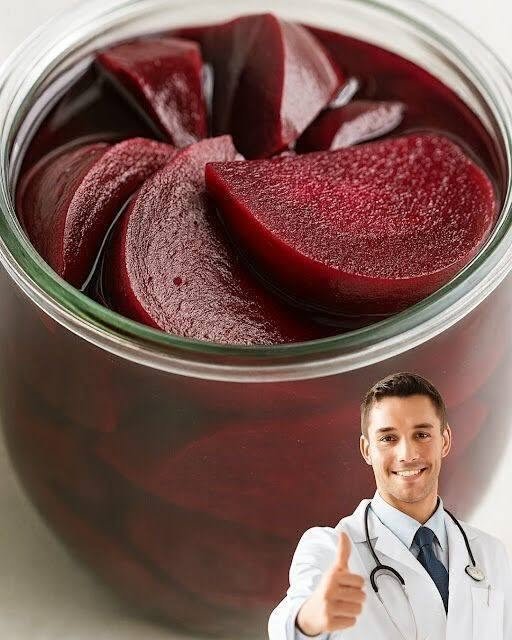
Beets (also called beetroot) are nutrient-rich root vegetables. Claims that “doctors reveal eating beets causes…” are often incomplete or misleading because the effects depend on the amount eaten, the person’s health, and their diet. Here’s a detailed overview of what eating beets can cause.
Positive effects of eating beets
1. Lower blood pressure
- Beets contain natural nitrates.
- Your body converts these nitrates into nitric oxide.
- Nitric oxide relaxes and widens blood vessels, improving blood flow.
- Studies suggest regular beet consumption may help reduce blood pressure, especially in people with hypertension.
2. Better exercise performance
- Improved blood flow means muscles receive more oxygen.
- Athletes often drink beet juice before workouts to increase endurance.
- Some research shows people can exercise longer before becoming tired.
3. Improved heart health
- The nitrates in beets may improve circulation.
- They also support healthy blood vessel function.
- This may reduce the risk of cardiovascular disease when combined with an overall healthy lifestyle.
4. Rich in nutrients
Beets provide:
- Fiber
- Folate (vitamin B9)
- Potassium
- Manganese
- Vitamin C (in smaller amounts)
- Iron (moderate amounts)
These nutrients support healthy digestion, cell growth, nerve function, and immune health.
5. Better digestive health
- The fiber in beets helps prevent constipation.
- Fiber feeds beneficial gut bacteria.
- A healthy gut microbiome supports digestion and overall health.
6. Anti-inflammatory and antioxidant effects
- Beets contain pigments called betalains.
- Betalains have antioxidant properties that help protect cells from damage.
- Some studies suggest they may reduce inflammation, though more research is ongoing.
7. Brain health
- Improved blood flow may increase circulation to certain parts of the brain.
- Some research suggests dietary nitrates could support cognitive function in older adults, but evidence is still developing.
Possible side effects
1. Red or pink urine and stool (Beeturia)
- One of the most common harmless effects.
- Urine or stool may turn red or pink after eating beets.
- This is not blood and usually disappears within 24–48 hours.
2. Kidney stone risk
- Beets are high in oxalates.
- People prone to calcium oxalate kidney stones may need to limit beet consumption.
3. Digestive discomfort
Eating large amounts may cause:
- Gas
- Bloating
- Mild stomach upset
- Diarrhea in some people
4. Blood pressure can become too low
Because beets may lower blood pressure:
- People taking blood pressure medications should discuss large increases in beet intake with their healthcare provider.
- Excessive intake could contribute to dizziness in some individuals.
5. Blood sugar
- Whole beets have a moderate glycemic index but are relatively low in calories.
- They are generally fine in moderate portions for most people with diabetes, especially when eaten whole rather than as sweetened juice.
Who should be careful?
People who:
- Have a history of kidney stones.
- Take medications for high blood pressure.
- Have chronic kidney disease (depending on dietary potassium restrictions).
- Have digestive conditions that are aggravated by high-fiber foods.
How much is healthy?
For most healthy adults:
- 1 medium beet or about ½–1 cup of cooked beets several times per week is a reasonable amount.
- Beet juice is more concentrated; moderation is important because it contains more natural sugars and nitrates than whole beets.
Bottom line
Eating beets is generally safe and nutritious for most people. They may:
- Help lower blood pressure.
- Improve exercise performance.
- Support heart and digestive health.
- Provide antioxidants and important vitamins and minerals.
Potential downsides include harmless red urine or stool, digestive discomfort in some people, and increased oxalate intake, which may matter for those prone to certain kidney stones. If you have kidney disease, recurrent kidney stones, or take medication that affects blood pressure, it’s a good idea to discuss major dietary changes with your healthcare provider.