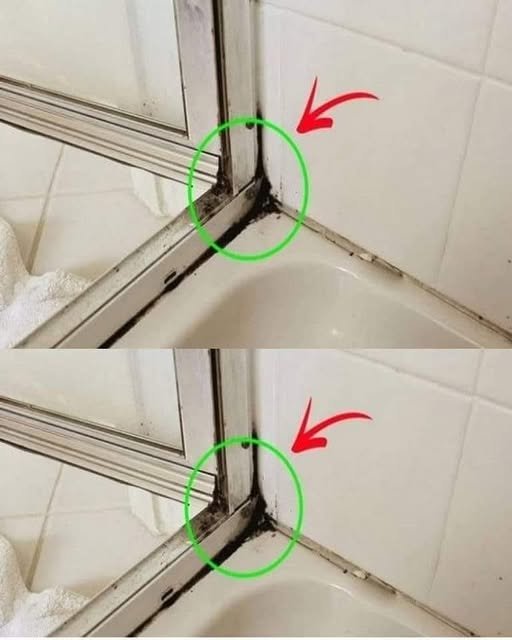
The Fastest Way to Get Rid of Shower Silicone Mildew (Detailed Guide)
Shower silicone (the rubbery sealant around tubs, showers, sinks, and glass panels) often develops black mildew or mold stains because it stays damp, collects soap residue, and has limited airflow. The fastest method depends on whether the mildew is surface-level or has grown inside the silicone.
1. Identify the Problem: Surface Mildew vs. Deep Mold
Surface mildew (easier to remove)
Signs:
- Small black or gray spots
- Mostly on the surface
- Silicone still looks smooth and flexible
You can usually clean it.
Deep silicone mold (harder to remove)
Signs:
- Black marks remain after cleaning
- Spots appear to be inside the silicone
- Silicone has become cracked, loose, or permanently discolored
Cleaning may not work; replacement is often the only permanent solution.
Fastest Method: Bleach Treatment (For White Silicone)
What you need:
- Household bleach (chlorine bleach)
- Water
- Spray bottle
- Paper towels or cotton strips
- Old toothbrush
- Gloves
- Ventilation (open window/fan)
Step-by-step:
Step 1: Dry the silicone first
Mildew grows in moisture. Dry the shower area completely before treatment.
- Wipe away water
- Wait until the silicone is dry
Step 2: Prepare bleach solution
Mix:
1 part household bleach + 3 parts water
Example:
- 1 cup bleach
- 3 cups water
Do not mix bleach with:
- Vinegar
- Ammonia
- Toilet cleaners
- Other chemicals
Dangerous gases can form.
Step 3: Apply the bleach
- Spray the solution directly onto the mildew.
- Cover the affected silicone with paper towels soaked in the solution.
- Press them against the silicone so the bleach stays in contact.
The paper towel method works faster because silicone is waterproof and the cleaner normally runs off.
Step 4: Leave it to work
Allow:
- 30 minutes for light mildew
- 2–4 hours for stubborn stains
- Overnight for severe staining (only with good ventilation and caution)
Step 5: Scrub gently
Use:
- Soft toothbrush
- Small cleaning brush
Scrub along the silicone edges and corners.
Avoid:
- Steel wool
- Sharp tools
- Abrasive pads
They can damage the silicone seal.
Step 6: Rinse thoroughly
Wash away all bleach residue with clean water.
Dry the area completely.
Alternative Fast Method: Hydrogen Peroxide
Hydrogen peroxide can work well, especially when you want to avoid chlorine smell.
You need:
- 3% hydrogen peroxide
- Spray bottle
- Brush
Steps:
- Spray hydrogen peroxide on the silicone.
- Wait 30–60 minutes.
- Scrub gently.
- Rinse and dry.
It can help remove mildew stains and is less harsh than bleach, but deep mold inside silicone may remain.
Strong Method for Stubborn Silicone Mold: Bleach Paste
For very dark spots:
Ingredients:
- Bleach
- Baking soda
- Cotton pads or tissue
Steps:
- Mix baking soda with a small amount of bleach to make a thick paste.
- Apply it to the silicone.
- Cover with plastic wrap or tissue.
- Leave several hours.
- Scrub and rinse.
This keeps the bleach against the mold longer.
When Cleaning Will NOT Work
Replace the silicone if:
- Black stains remain after 2–3 treatments
- Mold is spreading underneath the silicone
- Silicone is peeling away
- The seal is cracked
- Water is getting behind the seal
Silicone replacement process:
- Remove old silicone completely.
- Clean the surface.
- Kill remaining mold.
- Allow the area to dry fully.
- Apply new bathroom-grade anti-mold silicone.
Prevent Shower Silicone Mildew From Returning
1. Dry the shower after use
- Use a squeegee on walls and glass.
- Wipe silicone edges.
2. Improve ventilation
- Run the exhaust fan during showers and for 20–30 minutes afterward.
- Keep the bathroom door slightly open if possible.
3. Clean regularly
Every 1–2 weeks:
- Spray diluted vinegar or bathroom cleaner.
- Remove soap buildup.
(Note: Do not use vinegar after bleach treatment unless the area has been thoroughly rinsed and the chemicals are gone.)
4. Use mold-resistant silicone
When replacing silicone, choose bathroom silicone labeled:
- “Mildew resistant”
- “Anti-fungal”
- “Kitchen and bath silicone”
Quickest Practical Solution
For most showers:
- Dry the silicone completely.
- Apply bleach solution.
- Cover with bleach-soaked paper towels.
- Wait 2–4 hours.
- Scrub gently.
- Rinse and dry.
This is usually the fastest way to make white shower silicone look clean again. If the black marks are inside the silicone, replacement is usually faster and more effective than repeated cleaning.