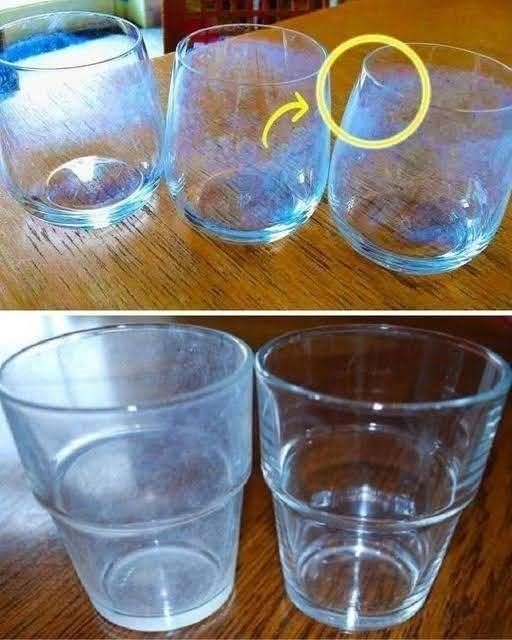
If your glasses have a white patina, it can be caused by mineral deposits, soap residue, hard water stains, or damage to the lens coating. The right cleaning method depends on the cause.
Step 1: Identify the White Patina
- Mineral deposits (hard water): White, chalky spots that sit on the surface.
- Soap or cleaning residue: A cloudy film that wipes unevenly.
- Lens coating damage: A permanent cloudy or peeling appearance that does not improve with cleaning.
If the anti-reflective or other lens coating is damaged, cleaning won’t restore it—the lenses may need replacement.
Method 1: Clean with Dish Soap (Best for Everyday Dirt)
You’ll need:
- Mild, lotion-free dish soap
- Lukewarm water
- Microfiber cloth
Steps:
- Rinse the glasses under lukewarm water.
- Place one small drop of dish soap on each lens.
- Gently rub both sides of the lenses with clean fingers for 20–30 seconds.
- Rinse thoroughly.
- Dry with a clean microfiber cloth.
This removes oils, fingerprints, and most surface residue.
Method 2: Remove Hard Water Deposits with Vinegar
This works only if the white film is caused by mineral buildup.
You’ll need:
- White vinegar
- Distilled water
- Microfiber cloth
Steps:
- Mix equal parts white vinegar and distilled water.
- Dip the microfiber cloth into the solution.
- Wipe the lenses gently for about one minute.
- Rinse with distilled or lukewarm water.
- Dry with a clean microfiber cloth.
Avoid soaking glasses with metal frames in vinegar for long periods, as prolonged exposure may affect some finishes.
Method 3: Use an Eyeglass Cleaning Spray
A commercial eyeglass cleaner is designed to remove oils and residue without harming lens coatings. Spray the cleaner on both sides of the lenses and wipe with a clean microfiber cloth.
A “Cool Trick” to Make Glasses Shine
After cleaning:
- Rinse the lenses with distilled water instead of tap water. This helps prevent new mineral spots.
- Buff the lenses gently using a clean microfiber cloth in circular motions.
- Store your glasses in a protective case when not in use to reduce dust and scratches.
The distilled water rinse often leaves lenses looking clearer because it doesn’t contain minerals that can dry into spots.
What NOT to Use
Avoid:
- Paper towels or tissues (they can scratch lenses)
- Toothpaste
- Baking soda on coated lenses
- Household glass cleaners containing ammonia
- Bleach
- Acetone or nail polish remover
- Rough fabrics or clothing
These can damage protective coatings.
If the White Film Won’t Come Off
If you’ve tried cleaning and the white haze remains, it’s likely due to:
- Worn anti-reflective coating
- UV coating failure
- Tiny scratches throughout the lens
In these cases, the cloudiness is permanent, and replacing the lenses is usually the only effective solution.
Tips to Keep Glasses Shiny
- Clean them daily with a microfiber cloth.
- Wash the microfiber cloth regularly to prevent dirt buildup.
- Rinse glasses before wiping away dust.
- Avoid leaving glasses in hot places, such as a car dashboard, which can damage lens coatings.
- Use only cleaners intended for eyeglass lenses.
With proper cleaning and care, most surface white films can be removed, restoring your glasses to a clear, shiny finish. If the haze is due to coating damage, however, no cleaning method can fully restore the original clarity.