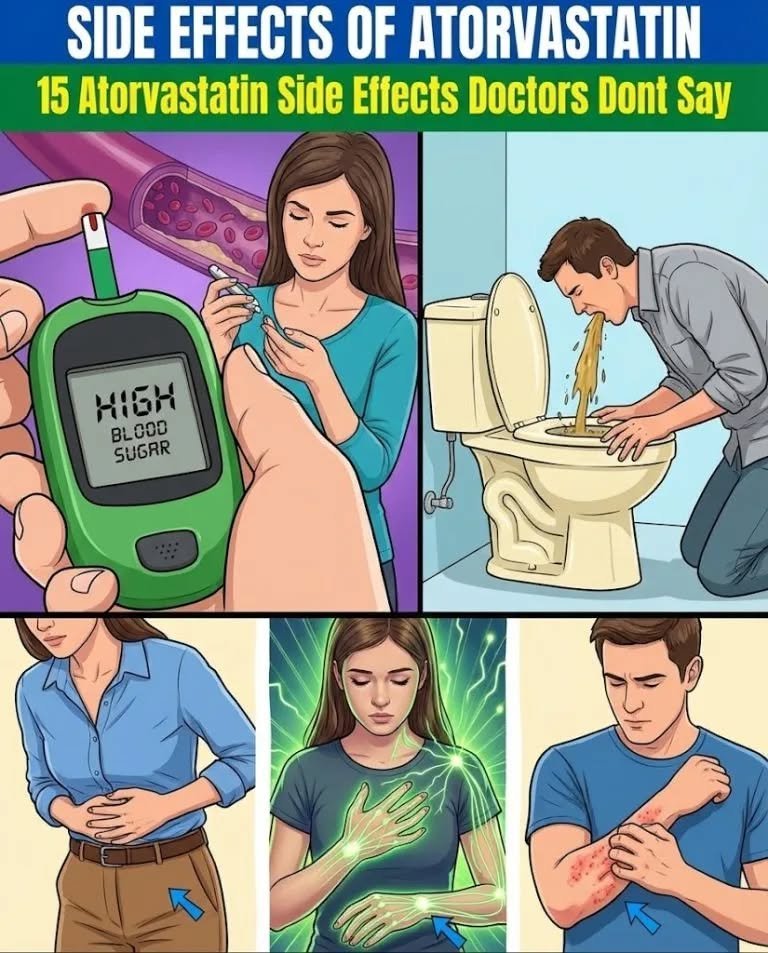
15 Hidden Atorvastatin Side Effects Your Doctor May Not Have Time to Mention (But You Deserve to Know Before Your Next Refill)
Important note: Atorvastatin (brand name commonly known as Lipitor) is one of the most widely used statin medicines for lowering LDL (“bad”) cholesterol and reducing the risk of heart attack and stroke. Many people take it safely for years. However, like all medicines, it can cause side effects. The purpose of this guide is not to scare you away from treatment, but to help you recognize symptoms and discuss them with your healthcare professional.
Never stop atorvastatin suddenly without medical advice—your doctor can help decide whether you need a dose change, a different statin, or another approach.
1. Muscle Pain, Weakness, or Unusual Tiredness (Myopathy)
One of the most discussed but sometimes overlooked atorvastatin effects is muscle-related symptoms.
You may notice:
- Muscle aches or soreness
- Weakness when climbing stairs or lifting objects
- Leg discomfort
- Muscle cramps
- A feeling that your muscles “do not recover” after activity
Why it happens:
- Statins reduce cholesterol production by blocking an enzyme in the liver. This process may also affect substances involved in muscle energy production in some people.
Higher-risk situations include:
- Higher atorvastatin doses (40–80 mg)
- Older age
- Kidney disease
- Certain drug interactions
- Heavy alcohol use
- Untreated thyroid problems
Seek medical attention quickly if you develop severe muscle pain, weakness, fever, or dark-colored urine, because these can rarely indicate a serious condition called rhabdomyolysis.
2. Memory Problems or “Brain Fog”
Some people report:
- Forgetfulness
- Difficulty concentrating
- Feeling mentally slower
- Trouble finding words
These symptoms are uncommon and usually reversible after stopping or changing the medication under medical supervision.
Research has not shown that statins cause permanent dementia. In fact, controlling cardiovascular risk factors may help protect brain health.
If you notice sudden or significant memory changes, discuss them with your doctor because other causes are also possible, including:
- Poor sleep
- Stress
- Vitamin deficiencies
- Thyroid problems
- Depression
- Other medicines
3. Increased Blood Sugar Levels
Atorvastatin may slightly increase blood glucose levels in some people.
Possible effects:
- Higher fasting glucose
- Higher HbA1c
- Slightly increased risk of developing type 2 diabetes in people already at risk
People more likely to experience this include those with:
- Prediabetes
- Obesity
- Metabolic syndrome
- Family history of diabetes
The important point: for many people at cardiovascular risk, the reduction in heart attacks and strokes from statins outweighs this small diabetes risk.
4. Liver Enzyme Changes
Because atorvastatin works in the liver, it can sometimes increase liver enzymes.
Usually:
- Mild increases cause no symptoms
- The levels return to normal
- Serious liver injury is rare
Possible warning signs:
- Yellow skin or eyes (jaundice)
- Dark urine
- Severe fatigue
- Loss of appetite
- Upper-right abdominal pain
Doctors may check liver function tests if symptoms occur or before starting treatment depending on your situation.
5. Digestive Problems
Some people experience:
- Nausea
- Diarrhea
- Constipation
- Gas
- Indigestion
- Stomach discomfort
These effects may improve after the body adjusts.
Helpful strategies may include:
- Taking the medicine at the same time daily
- Avoiding heavy alcohol intake
- Reviewing other medications that may irritate the stomach
6. Sleep Disturbances
Reported sleep-related complaints include:
- Difficulty falling asleep
- Frequent waking
- Unusual dreams
- Restless sleep
Not everyone experiences this, and studies have produced mixed results.
If sleep problems begin after starting atorvastatin, consider discussing:
- Timing of your dose
- Switching statins
- Other possible causes
7. Joint Pain and Body Aches
Some people mistake statin-related discomfort for arthritis.
Symptoms may include:
- Aching joints
- General body stiffness
- Shoulder or hip discomfort
If the pain started after beginning atorvastatin and no other cause is found, your doctor may consider whether the medication contributes.
8. Increased Risk of Bruising or Bleeding (Indirect Effect)
Atorvastatin itself is not a blood thinner, but some people taking it also use:
- Aspirin
- Warfarin
- Clopidogrel
- Other anticoagulants
Interactions can increase bleeding risk.
Tell your healthcare provider about all medicines and supplements you take.
9. Skin Reactions
Rarely, atorvastatin may cause:
- Rash
- Itching
- Hives
- Increased sensitivity reactions
Seek urgent medical help if you experience:
- Swelling of lips, tongue, or throat
- Trouble breathing
- Severe skin peeling or blistering
10. Sexual Function Changes
Some people report changes such as:
- Reduced libido
- Erectile difficulties
- Changes in sexual performance
The relationship between statins and sexual function is complicated. Cholesterol affects hormone production, but cardiovascular disease, diabetes, stress, and other medications can also contribute.
Discuss these symptoms rather than assuming atorvastatin is the only cause.
11. Tingling or Nerve Symptoms
Rare reports include:
- Numbness
- Tingling sensations
- Burning feelings in hands or feet
Possible causes include:
- Nerve irritation
- Vitamin deficiencies
- Diabetes-related nerve problems
- Other medications
A medical evaluation can help determine the cause.
12. Hair Loss (Rare)
Some people report:
- Increased shedding
- Thinning hair
This is considered uncommon.
Hair changes can also result from:
- Thyroid problems
- Stress
- Nutritional deficiencies
- Hormonal changes
If hair loss begins after starting atorvastatin, mention the timing to your doctor.
13. Changes in CoQ10 Levels and Energy
Statins may reduce levels of coenzyme Q10 (CoQ10), a compound involved in cellular energy production.
Some researchers believe this may contribute to:
- Muscle fatigue
- Low energy
- Muscle discomfort
However, CoQ10 supplements do not help everyone and may not be appropriate for everyone. Discuss supplements with your healthcare provider, especially if you take other medicines.
14. Drug and Food Interactions
Atorvastatin is processed through liver enzymes, especially CYP3A4.
Certain substances can raise atorvastatin levels and increase side-effect risk.
Examples:
Grapefruit
Large amounts of grapefruit or grapefruit juice may increase atorvastatin exposure.
Certain antibiotics
Some antibiotics can interact with statins.
Antifungal medicines
Certain antifungal drugs may increase statin levels.
Other cholesterol medicines
Combining therapies can increase muscle-related risks.
Always tell your doctor and pharmacist about:
- Prescription medicines
- Over-the-counter drugs
- Herbal products
- Supplements
15. Rare but Serious Muscle Breakdown (Rhabdomyolysis)
This is the rare side effect people fear most.
Symptoms can include:
- Severe muscle pain
- Extreme weakness
- Swelling
- Dark brown urine
- Reduced urination
It occurs when muscle tissue breaks down and releases substances that can damage the kidneys.
Risk increases with:
- Very high statin doses
- Certain drug combinations
- Severe illness
- Older age
- Kidney problems
Immediate medical evaluation is needed if these symptoms occur.
Who Should Be Extra Careful With Atorvastatin?
Talk with your healthcare provider before or during treatment if you have:
- Liver disease
- Kidney disease
- Thyroid disorders
- Heavy alcohol use
- Previous statin muscle problems
- A history of medication reactions
Questions Worth Asking Before Your Next Refill
You may want to ask your doctor:
- Is my atorvastatin dose still appropriate?
- What LDL cholesterol goal are we targeting?
- Could my current symptoms be related to atorvastatin?
- Do I need blood tests to monitor safety?
- Are any of my other medicines interacting with it?
- Would a different statin or dose schedule be better for me?
When to Contact a Doctor Immediately
Get medical advice promptly if you develop:
- Severe muscle pain or weakness
- Dark urine
- Yellow eyes or skin
- Severe allergic reaction symptoms
- Unexplained extreme fatigue
- Significant changes in memory or function
Bottom Line
Atorvastatin has helped millions of people reduce their risk of serious heart disease. Most side effects are mild, uncommon, or manageable. The key is recognizing possible warning signs early and communicating with your healthcare provider rather than stopping the medication on your own.
Your personal risk from high cholesterol, heart disease, and stroke should always be weighed against the possibility of side effects when deciding whether to continue atorvastatin