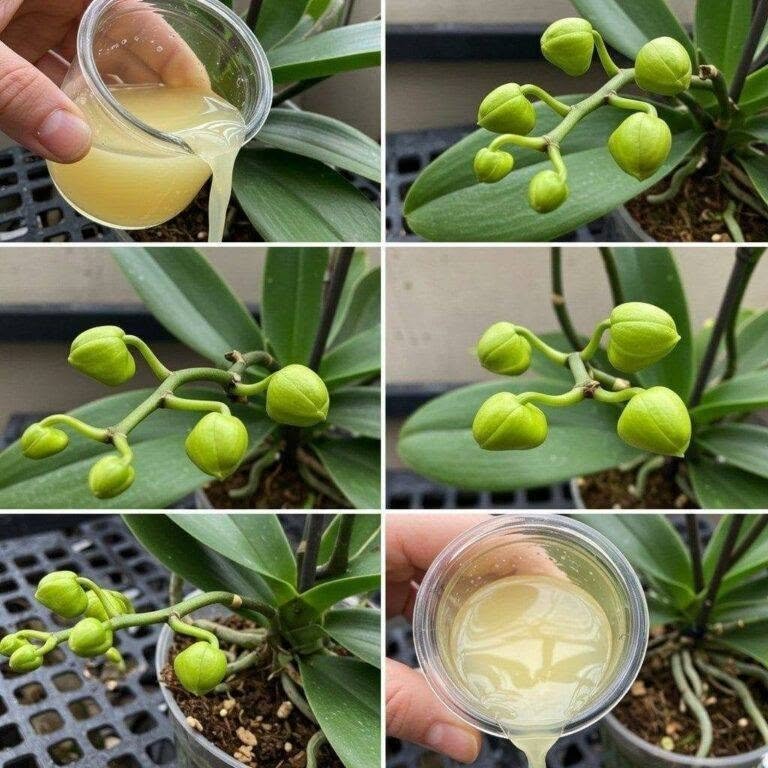
It sounds like you are asking about water that can help all plants grow and make even very dry flowers bloom. There is no single “magic water” that can revive every plant, but certain types of water and treatments can greatly improve plant health.
1. Rice Water (popular natural plant water)
Rice water is often used as a natural plant fertilizer.
How to make it:
- Take 1 cup of uncooked rice.
- Add 2–3 cups of clean water.
- Stir for a few minutes.
- Strain the water and use it for plants.
Benefits:
- Contains small amounts of starch, minerals, and nutrients.
- Can support beneficial soil microbes.
- May improve plant growth when used occasionally.
How to use:
- Water plants with rice water once every 1–2 weeks.
- Do not use fermented or spoiled rice water unless you know how to prepare it properly, because it can attract pests or cause bad smells.
2. Compost Tea (stronger natural fertilizer)
Compost tea is made by soaking mature compost in water.
Benefits:
- Adds nutrients and beneficial microorganisms.
- Helps improve soil quality.
- Supports healthier roots and flowers.
3. Epsom Salt Water (for specific plants)
Epsom salt contains magnesium sulfate.
Possible benefits:
- Helps plants that are magnesium-deficient.
- Can improve leaf color in some plants.
Mix:
- 1 teaspoon Epsom salt in 1 liter of water.
- Use occasionally, not every watering.
4. The most important “flower blooming water”
For dry, struggling flowers, the biggest factors are usually:
- Clean water: Avoid salty or chemically contaminated water.
- Correct watering schedule: Too much water can kill roots; too little dries them out.
- Good soil: Loose, nutrient-rich soil helps roots recover.
- Sunlight: Most flowering plants need enough light.
- Fertilizer: Blooming plants often need phosphorus and potassium.
For a very dry plant:
- Remove dead leaves and flowers.
- Water the soil slowly until water drains from the bottom.
- Place the plant in suitable light.
- Add a mild fertilizer after the plant starts recovering.
A completely dead plant cannot be brought back, but many dried-looking plants can recover if the roots are still alive.