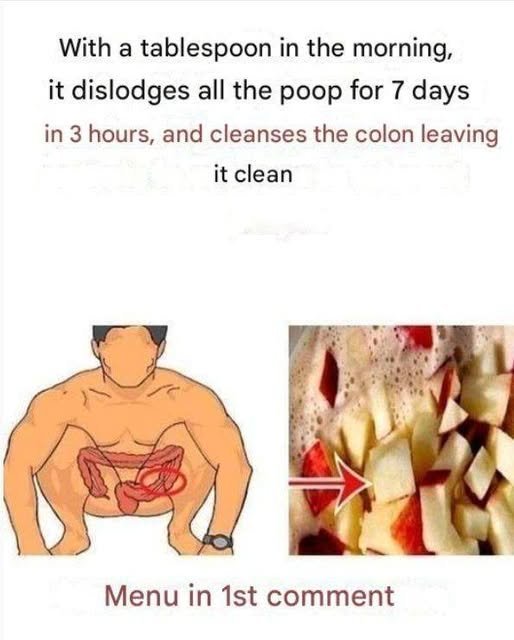
Here are 3 natural remedies that may help facilitate stool evacuation, explained in detail:
1. Increase Fiber Intake (Especially Soluble Fiber)
Fiber is one of the most effective natural ways to improve constipation because it adds bulk to stool and helps it move through the intestines more easily.
How it works:
- Soluble fiber absorbs water and forms a gel-like substance, making stools softer and easier to pass.
- Insoluble fiber adds bulk and stimulates intestinal movement.
Good natural sources:
- Psyllium husk (ispaghol): A popular fiber supplement that absorbs water and can soften stools.
- Fruits: apples (with skin), pears, oranges, berries, kiwi, prunes.
- Vegetables: spinach, carrots, broccoli, leafy greens.
- Whole grains: oats, brown rice, whole wheat bread.
- Legumes: lentils, beans, chickpeas.
How to use:
- Start slowly to avoid gas and bloating.
- Drink enough water when increasing fiber; otherwise, fiber can worsen constipation.
Example:
A dietician may suggest mixing 1 teaspoon of psyllium husk in a glass of water and drinking it, followed by another glass of water if needed.
2. Stay Hydrated and Use Natural Stool-Softening Foods
Water plays an important role in maintaining soft stools. When the body lacks fluids, the colon absorbs more water from stool, making it harder and more difficult to pass.
How it works:
- Adequate fluid intake keeps stool hydrated.
- Certain foods naturally contain fiber and compounds that support bowel movements.
Helpful options:
Prunes (dried plums):
- Contain fiber and sorbitol, a natural sugar alcohol that draws water into the intestine and may stimulate bowel movements.
Warm water:
- Drinking warm water in the morning may help activate the digestive system.
Kiwi fruit:
- Rich in fiber and contains enzymes that may support bowel regularity.
Flaxseeds or chia seeds:
- Provide fiber and absorb water, forming a gel that can help stool pass more easily.
Practical routine:
- Drink water regularly throughout the day.
- Try a morning drink of warm water.
- Add 1–2 tablespoons of soaked chia seeds or ground flaxseed to yogurt, oatmeal, or smoothies.
3. Improve Gut Movement Through Physical Activity and Routine
The intestines rely on muscle contractions (called peristalsis) to push stool forward. Physical activity can encourage these natural movements.
How it works:
- Exercise increases blood flow and stimulates intestinal muscles.
- A consistent bathroom routine trains the body’s bowel habits.
Recommended activities:
- Walking for 20–30 minutes daily.
- Gentle yoga or stretching.
- Light exercises after meals.
Bathroom habits:
- Do not ignore the urge to have a bowel movement.
- Try sitting on the toilet at the same time each day, often after breakfast.
- Use a small footstool to raise your feet slightly; this position can make evacuation easier by aligning the rectum more naturally.
Additional Dietician Tips for Preventing Constipation
✅ Eat a balanced diet with enough fruits, vegetables, and whole grains.
✅ Limit excessive processed foods, which are often low in fiber.
✅ Chew food properly and eat meals regularly.
✅ Manage stress, as stress can affect bowel function.
✅ Increase fiber gradually to prevent bloating.
When to Seek Medical Advice
Natural remedies are helpful for occasional constipation, but consult a healthcare professional if constipation:
- Lasts more than a few weeks,
- Is accompanied by blood in stool,
- Causes unexplained weight loss,
- Comes with severe abdominal pain,
- Starts suddenly without an obvious reason.
A dietician can personalize recommendations based on age, diet, medical conditions, medications, and lifestyle.