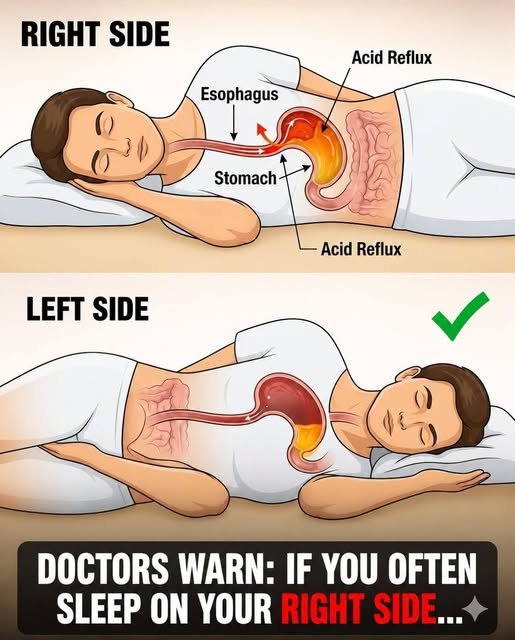
Your sleeping position can have a significant impact on acid reflux (gastroesophageal reflux disease, or GERD) symptoms. Research and medical experts have found that certain sleeping positions can either reduce or worsen nighttime reflux by affecting how stomach acid moves into the esophagus.
What Is Acid Reflux?
Acid reflux occurs when stomach acid flows backward into the esophagus. This happens when the lower esophageal sphincter (LES)—the muscle that normally keeps stomach contents from flowing upward—doesn’t close properly.
Common symptoms include:
- Heartburn (burning sensation in the chest)
- Sour or bitter taste in the mouth
- Regurgitation of food or liquid
- Chronic cough
- Hoarseness
- Sore throat
- Difficulty swallowing
- Chest discomfort, especially after meals or at night
Why Sleeping Position Matters
When you’re standing or sitting, gravity helps keep stomach acid in the stomach. When you lie down, gravity’s effect is reduced, making it easier for acid to move into the esophagus—especially if the LES is weak.
Different sleeping positions influence:
- The direction stomach acid flows
- Pressure on the stomach
- How quickly acid clears from the esophagus
Best Sleeping Positions for Acid Reflux
1. Sleeping on Your Left Side (Most Recommended)
Doctors generally recommend sleeping on the left side for people with acid reflux.
Benefits
- Keeps the stomach below the esophagus.
- Uses gravity to reduce acid backflow.
- Allows faster clearance of acid from the esophagus.
- Reduces nighttime heartburn.
Several clinical studies have shown fewer reflux episodes and less acid exposure when sleeping on the left side compared with the right side.
2. Elevating the Head of the Bed
Raising the head of your bed by 6–8 inches (15–20 cm) can significantly reduce nighttime reflux.
This can be done using:
- Bed risers
- A wedge pillow
- An adjustable bed
Avoid simply stacking regular pillows under your head, as this may bend your body at the waist and increase abdominal pressure.
Sleeping Positions That May Worsen Acid Reflux
1. Sleeping on the Right Side
Research suggests that lying on the right side can increase reflux.
Possible reasons include:
- Stomach contents are positioned in a way that allows acid to reach the esophagus more easily.
- Acid remains in contact with the esophagus longer.
Many people report worse nighttime heartburn in this position.
2. Sleeping Flat on Your Back
Sleeping flat may:
- Allow acid to travel upward more easily.
- Increase nighttime coughing.
- Cause choking sensations in severe reflux.
However, sleeping on your back with the head elevated is often much better than sleeping flat.
3. Sleeping on the Stomach
This position is usually not recommended because it:
- Places pressure on the stomach.
- Can force stomach contents upward.
- May worsen reflux symptoms.
It can also contribute to neck and back discomfort.
Other Tips to Reduce Nighttime Acid Reflux
Avoid Eating Before Bed
Finish eating 2–3 hours before lying down.
Late-night meals increase the risk of reflux because digestion slows during sleep.
Eat Smaller Evening Meals
Large meals stretch the stomach and increase pressure against the LES.
Smaller portions reduce reflux risk.
Limit Trigger Foods
Common triggers include:
- Fried foods
- Fatty meals
- Chocolate
- Peppermint
- Coffee
- Tea
- Carbonated drinks
- Alcohol
- Tomatoes
- Citrus fruits
- Spicy foods
- Onions
- Garlic (for some people)
Triggers vary from person to person.
Maintain a Healthy Weight
Excess abdominal weight increases pressure on the stomach, making reflux more likely.
Even modest weight loss can improve symptoms for many people.
Stop Smoking
Smoking can:
- Weaken the LES
- Increase stomach acid
- Reduce saliva production, which normally helps neutralize acid
Quitting smoking often improves reflux symptoms.
Wear Loose Clothing
Tight belts and waistbands can increase abdominal pressure and promote reflux.
Review Medications
Some medications may worsen reflux, including certain:
- Pain relievers (NSAIDs)
- Calcium channel blockers
- Some asthma medications
- Certain sedatives
If you suspect a medication is contributing to symptoms, discuss alternatives with your healthcare provider before making any changes.
Medical Treatments
If lifestyle changes are not enough, doctors may recommend:
- Antacids for quick relief
- H2 blockers to reduce acid production
- Proton pump inhibitors (PPIs) for more effective acid suppression in frequent or severe cases
Persistent symptoms should be evaluated by a healthcare professional.
When to Seek Medical Care
Contact a healthcare provider if you experience:
- Heartburn more than twice a week
- Difficulty swallowing
- Pain when swallowing
- Unexplained weight loss
- Vomiting blood
- Black or tarry stools
- Persistent chest pain (especially if it could be related to the heart)
Seek emergency medical care immediately for chest pain accompanied by shortness of breath, sweating, dizziness, or pain radiating to the arm, jaw, or back, as these symptoms may indicate a heart attack rather than acid reflux.
Key Takeaways
| Recommendation | Effect on Acid Reflux |
|---|---|
| Sleep on the left side | ✅ Often reduces reflux |
| Elevate the head of the bed 6–8 inches | ✅ Helps prevent acid from flowing upward |
| Avoid the right side if it worsens symptoms | ⚠️ May increase reflux in many people |
| Avoid lying flat after eating | ✅ Reduces nighttime reflux |
| Wait 2–3 hours after meals before bed | ✅ Lowers reflux risk |
| Maintain a healthy weight | ✅ Improves symptoms for many people |
| Avoid personal trigger foods | ✅ Helps reduce episodes |
For many people with nighttime acid reflux, sleeping on the left side and elevating the head of the bed are two of the most effective non-medication strategies to reduce symptoms. If symptoms are frequent, severe, or persist despite these measures, it’s important to seek medical evaluation to confirm the diagnosis and rule out complications.