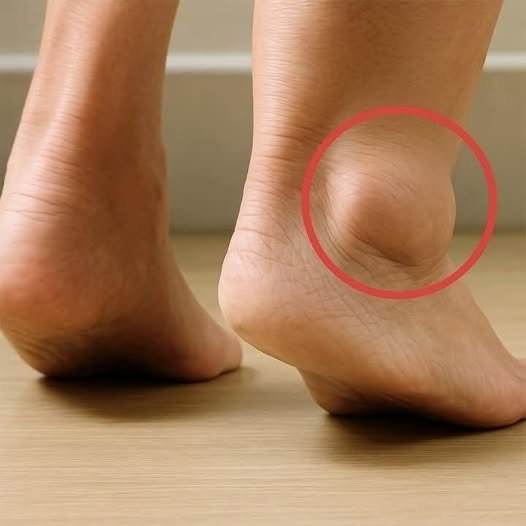
Swollen Legs and Feet: Causes, Symptoms & Natural Relief Methods (Detailed Guide)
Swelling in the legs and feet is a common problem that occurs when extra fluid builds up in the tissues. This condition is called edema. It may affect one or both legs and can range from mild swelling after standing all day to a sign of an underlying health problem.
While occasional swelling can often improve with simple lifestyle measures, persistent, severe, or sudden swelling should be evaluated by a healthcare professional.
1. What Causes Swollen Legs and Feet?
A. Common and Less Serious Causes
1. Standing or Sitting for Long Periods
When you stay in one position for many hours:
- Blood flow from the legs back to the heart slows down.
- Gravity causes fluid to collect in the lower legs and feet.
- Ankles may appear puffy, especially in the evening.
Common situations:
- Long travel
- Office work
- Standing jobs
- Lack of movement
2. Excess Salt Intake
Eating too much sodium causes the body to retain water.
High-salt foods include:
- Processed foods
- Fast food
- Pickles
- Chips
- Instant noodles
- Packaged snacks
Reducing salt can help decrease water retention.
3. Pregnancy
Swelling of feet and ankles is common during pregnancy because:
- The growing uterus presses on veins.
- Blood volume increases.
- Hormonal changes affect fluid balance.
Mild swelling is usually normal, but sudden swelling of the face, hands, or severe leg swelling may require medical attention.
4. Heat and Weather Changes
Hot weather can cause blood vessels to expand, allowing more fluid to move into surrounding tissues.
Symptoms often improve with:
- Cooling the body
- Elevating the legs
- Staying hydrated
5. Lack of Physical Activity
Movement helps the leg muscles pump blood upward.
A sedentary lifestyle may contribute to:
- Puffy ankles
- Heavy legs
- Poor circulation
B. Medical Causes of Swollen Legs and Feet
1. Venous Insufficiency (Poor Vein Function)
The veins in the legs contain valves that help blood return to the heart. If these valves become weak:
- Blood collects in the legs.
- Pressure increases in veins.
- Fluid leaks into tissues.
Symptoms may include:
- Leg heaviness
- Aching
- Varicose veins
- Skin discoloration
- Swelling that worsens throughout the day
2. Heart-Related Problems
Some heart conditions can cause fluid buildup.
Possible signs:
- Swelling in both legs
- Shortness of breath
- Fatigue
- Difficulty lying flat
- Rapid weight gain from fluid retention
3. Kidney Problems
The kidneys regulate fluid and salt balance. If kidney function decreases, the body may retain fluid.
Possible symptoms:
- Swollen feet and ankles
- Puffy eyes
- Changes in urination
- High blood pressure
- Fatigue
4. Liver Disease
Liver problems can affect protein levels in the blood, especially albumin, which helps keep fluid inside blood vessels.
Possible signs:
- Leg swelling
- Abdominal swelling
- Yellowing of skin or eyes
- Easy bruising
5. Blood Clot (Deep Vein Thrombosis – DVT)
A clot in a deep vein can block blood flow.
Symptoms usually include:
- Swelling in one leg
- Pain or tenderness
- Warmth
- Redness or discoloration
A possible DVT requires urgent medical assessment because clots can travel to the lungs.
6. Infection or Injury
Swelling may occur after:
- Sprains
- Fractures
- Cuts
- Insect bites
- Skin infections
Signs may include:
- Pain
- Redness
- Warmth
- Fever
7. Medication Side Effects
Some medicines may cause swelling, including:
- Certain blood pressure medicines
- Steroids
- Hormonal medications
- Some diabetes medicines
- Anti-inflammatory drugs
If swelling begins after starting a medication, discuss it with your doctor.
2. Symptoms Associated With Swollen Legs and Feet
Swelling may appear as:
Visible Changes
- Enlarged ankles or feet
- Tight shoes or socks
- Skin appearing stretched or shiny
- Indentations after pressing the skin (pitting edema)
Sensations
- Heaviness
- Tightness
- Aching
- Reduced flexibility
- Discomfort while walking
Other Possible Symptoms
Depending on the cause:
- Shortness of breath
- Chest pain
- Fever
- Skin color changes
- Leg warmth
- Fatigue
3. When Should You Seek Medical Help?
Contact a healthcare professional if:
- Swelling appears suddenly
- Only one leg becomes swollen
- The leg is painful, red, or warm
- You have chest pain or breathing difficulty
- Swelling is severe or worsening
- You have heart, kidney, or liver disease
- There is unexplained weight gain
- Swelling does not improve with basic measures
Emergency symptoms:
Seek urgent care for:
- Sudden leg swelling with chest pain
- Difficulty breathing
- Coughing blood
- Severe leg pain with redness and warmth
4. Natural Relief Methods for Mild Leg and Foot Swelling
1. Elevate Your Legs
One of the simplest methods.
How:
- Lie down and raise your legs above heart level.
- Use pillows under your legs.
- Keep them elevated for 20–30 minutes several times daily.
Benefits:
- Helps fluid drain back into circulation.
- Reduces pressure in leg veins.
2. Gentle Exercise and Walking
Movement improves circulation.
Helpful activities:
- Walking
- Swimming
- Cycling
- Ankle rotations
- Foot stretches
Simple ankle exercise:
- Move your feet up and down 20 times.
- Rotate ankles clockwise and counterclockwise.
- Repeat several times daily.
3. Reduce Salt Intake
Limit:
- Packaged foods
- Restaurant meals
- Excess table salt
Choose:
- Fresh fruits
- Vegetables
- Whole grains
- Home-cooked meals
4. Stay Properly Hydrated
Not drinking enough water can sometimes encourage the body to retain fluid.
Drink adequate water unless your doctor has given you fluid restrictions.
5. Wear Comfortable Footwear
Avoid:
- Tight shoes
- High heels for long periods
- Tight socks that restrict circulation
Choose:
- Supportive shoes
- Properly fitting footwear
6. Massage (If Appropriate)
Gentle massage may help move fluid.
Technique:
- Use light pressure.
- Massage upward from feet toward knees.
- Avoid massage if you suspect a blood clot, infection, or unexplained painful swelling.
7. Compression Socks
Compression stockings gently squeeze the legs and can improve circulation.
They may help with:
- Long standing periods
- Travel-related swelling
- Venous problems
A healthcare professional can advise on the correct compression level, especially if you have circulation problems.
8. Avoid Long Periods of Sitting
During travel or desk work:
- Stand up every hour.
- Move your ankles.
- Walk briefly when possible.
5. Foods That May Help Reduce Water Retention
Potassium-Rich Foods
Potassium helps balance sodium levels.
Examples:
- Bananas
- Spinach
- Sweet potatoes
- Beans
- Avocados
(Individuals with kidney disease may need to limit potassium—ask a healthcare professional.)
Anti-Inflammatory Foods
May support general circulation:
- Berries
- Leafy greens
- Nuts
- Olive oil
- Fatty fish
Foods High in Water Content
Examples:
- Cucumbers
- Watermelon
- Oranges
- Melons
6. Herbal and Home Remedies: What Is Known
Some people use herbs such as:
- Ginger
- Dandelion
- Parsley
However:
- Evidence for reducing leg swelling varies.
- Some herbs can interact with medications.
- People with kidney, heart, or blood pressure problems should consult a healthcare professional before using herbal diuretics.
7. Prevention Tips
To reduce the chance of swelling:
✅ Maintain a healthy weight
✅ Exercise regularly
✅ Limit excess salt
✅ Drink enough water
✅ Avoid sitting or standing in one position too long
✅ Elevate legs after long days
✅ Wear supportive shoes
✅ Manage chronic conditions such as diabetes, blood pressure, and heart disease
Summary
Swollen legs and feet are often caused by fluid buildup from standing, sitting, heat, salt intake, or reduced circulation, but they can also indicate conditions involving the heart, kidneys, liver, veins, or blood clots.
For mild swelling, helpful measures include:
- Elevating the legs
- Moving regularly
- Reducing salt
- Staying hydrated
- Wearing comfortable footwear
- Using compression when appropriate
If swelling is sudden, one-sided, painful, associated with breathing problems, or persistent, medical evaluation is important.