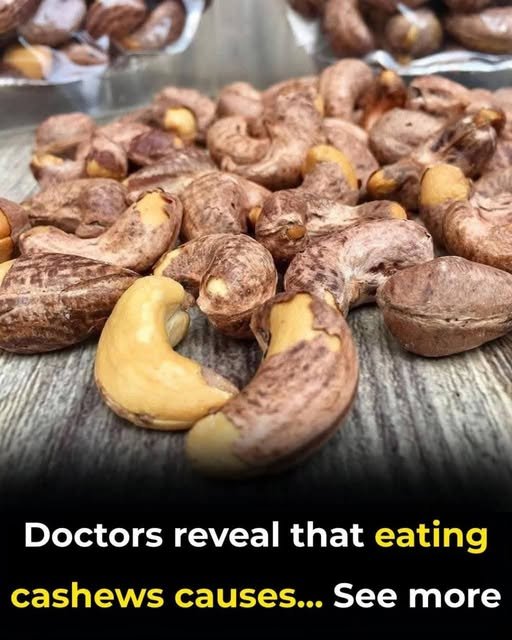
Eating cashews regularly can have several effects on your body because they contain healthy fats, plant protein, fiber, vitamins, minerals, and antioxidants. Here is a detailed look at what may happen when you include cashews in your diet consistently.
1. Your Heart Health May Improve ❤️
Cashews contain mostly monounsaturated and polyunsaturated fats, which are considered heart-friendly fats.
Regular moderate intake may help:
- Support healthier cholesterol levels by helping reduce LDL (“bad”) cholesterol when they replace less healthy fats.
- Increase or maintain HDL (“good”) cholesterol in some people.
- Provide minerals such as magnesium and potassium, which support normal blood pressure regulation.
- Reduce oxidative stress because cashews contain antioxidants like polyphenols and carotenoids.
However, cashews are calorie-dense, so portion size matters.
2. Better Blood Sugar Control May Occur
Despite tasting slightly sweet, cashews have a relatively low carbohydrate content compared with many snack foods.
They provide:
- Protein, which slows digestion.
- Fiber, which can help reduce rapid blood sugar spikes.
- Healthy fats, which improve satiety.
Research suggests that including nuts as part of a balanced diet may support better blood sugar management, especially when they replace refined snacks like sweets, chips, or sugary foods.
3. You May Feel Fuller and Eat Less
A small serving of cashews can reduce hunger because they contain:
- Protein
- Fiber
- Healthy fats
These nutrients slow stomach emptying and can increase feelings of fullness.
A typical serving is about:
1 ounce (28 grams) = roughly 15–18 cashews
Eating large amounts, however, can add many extra calories and may contribute to weight gain.
4. Your Bones May Get Support
Cashews contain important bone-supporting nutrients:
- Magnesium — helps with bone structure and calcium metabolism.
- Phosphorus — essential for bones and teeth.
- Copper — involved in collagen formation and bone strength.
Regular intake as part of a nutritious diet may contribute to maintaining healthy bones.
5. Your Energy Levels May Improve
Cashews provide nutrients involved in energy production:
- Magnesium helps hundreds of enzymes involved in metabolism.
- Copper supports iron metabolism and red blood cell formation.
- B vitamins help convert food into energy.
They can be a useful snack for people who need sustained energy.
6. Your Skin and Hair May Benefit
Cashews contain nutrients linked with healthy skin and hair:
- Copper helps produce melanin (the pigment responsible for hair and skin color).
- Zinc supports skin repair and immune function.
- Healthy fats help maintain the skin barrier.
Cashews will not magically change hair growth or skin appearance, but they can support overall nutrition.
7. Your Immune System Gets Nutritional Support
Cashews provide:
- Zinc
- Copper
- Magnesium
- Antioxidants
These nutrients help support normal immune system function.
8. Brain Health Support
Cashews contain nutrients that play roles in brain function:
- Healthy fats support cell membranes.
- Magnesium supports nerve signaling.
- Antioxidants help protect cells from oxidative damage.
A diet rich in nuts has been associated with better overall dietary patterns and may support long-term brain health.
9. Digestion May Improve
The fiber in cashews can help:
- Add bulk to stool.
- Support regular bowel movements.
- Feed beneficial gut bacteria.
If you suddenly eat a large amount, you may experience:
- Gas
- Bloating
- Stomach discomfort
Increasing intake gradually is usually easier on digestion.
10. Possible Weight Effects
Cashews can help with weight management when eaten in controlled portions because they are filling.
But eating large quantities may lead to:
- Excess calorie intake
- Weight gain
A healthy amount for many adults is around a small handful per day.
11. Possible Risks and Who Should Be Careful
Nut allergy
People allergic to tree nuts should avoid cashews because they can cause serious allergic reactions.
Kidney problems
Cashews contain minerals such as phosphorus and potassium. People with kidney disease may need to limit intake depending on medical advice.
Salted or flavored cashews
Many packaged cashews contain:
- Added salt
- Sugar coatings
- Excess oils
Plain, dry-roasted, or unsalted cashews are usually better choices.
Best Way to Eat Cashews
For most healthy adults:
✅ Choose raw or dry-roasted cashews
✅ Eat about 15–18 nuts per day (a small handful)
✅ Combine with fruits, yogurt, or a balanced meal
✅ Avoid heavily salted or sugar-coated versions
Summary: What May Happen After Eating Cashews Regularly
| Time period | Possible effects |
|---|---|
| Days–weeks | More fullness, steady energy, improved snack quality |
| Weeks–months | Better nutrient intake, possible cholesterol benefits, improved diet quality |
| Long term | Support for heart health, metabolism, and overall nutrition |
Cashews are a healthy food, but they work best as part of a balanced diet rather than as a single “superfood.”