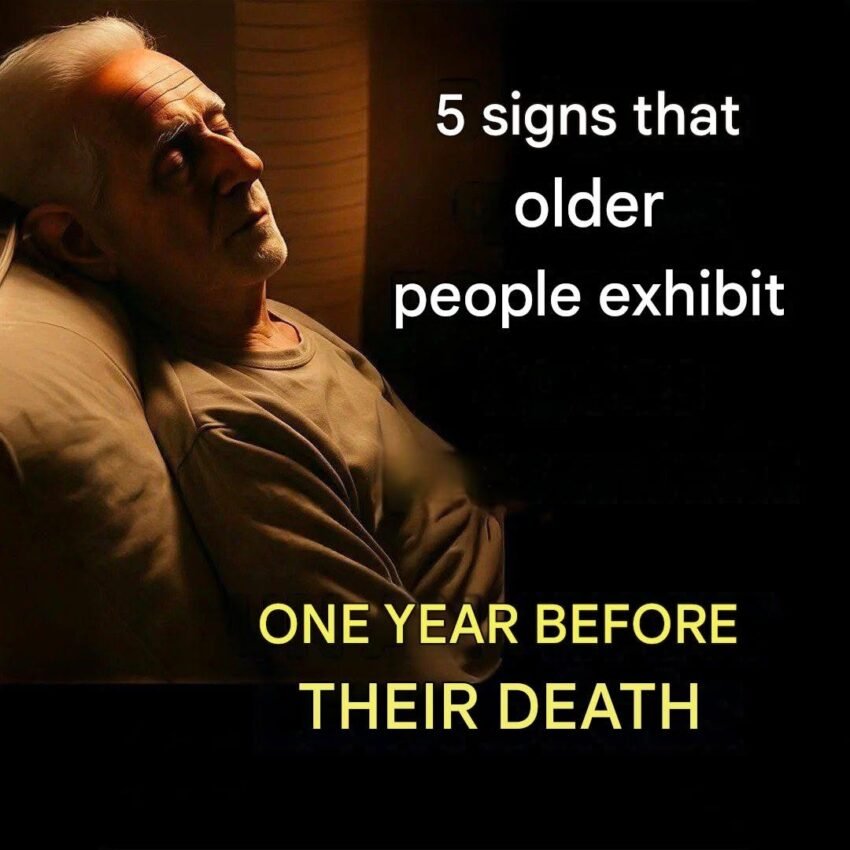
5 Signs That an Elderly Person Needs More Care and Attention (Detailed Information)
As people age, their physical abilities, mental health, and daily needs can change gradually. Sometimes these changes are easy to miss because they happen slowly. Recognizing the signs that an elderly person needs more support can help maintain their safety, independence, and quality of life.
1. Difficulty Managing Daily Activities
One of the clearest signs that an elderly person may need more care is struggling with everyday tasks that they previously handled independently.
Examples include:
- Difficulty bathing, dressing, brushing teeth, or maintaining personal hygiene
- Trouble preparing meals or eating properly
- Forgetting to take medications or taking the wrong doses
- Difficulty cleaning the house, doing laundry, or shopping for necessities
- Problems using household appliances safely
Why it matters:
A decline in the ability to manage daily activities can increase the risk of accidents, poor nutrition, infections, and health complications. Extra support with daily routines can help the person remain comfortable and safe while preserving as much independence as possible.
2. Increased Forgetfulness or Confusion
Some memory changes are normal with aging, but frequent confusion or significant memory problems may indicate that an elderly person needs closer monitoring and assistance.
Warning signs include:
- Forgetting important appointments or conversations repeatedly
- Losing items frequently or putting things in unusual places
- Becoming confused about dates, locations, or familiar people
- Forgetting to turn off stoves, heaters, or electrical devices
- Getting lost in familiar places
- Repeating the same questions many times
Why it matters:
Memory difficulties can affect safety and decision-making. Conditions such as dementia or other medical issues may contribute to these changes. Early attention can help families arrange appropriate care and medical evaluation.
3. Changes in Physical Health or Mobility
A decline in physical health is another important sign that an elderly person may require additional care.
Look for:
- Frequent falls or difficulty walking
- Weakness, dizziness, or poor balance
- Unexplained weight loss or loss of appetite
- Increasing pain or difficulty moving around
- Trouble getting up from chairs or beds
- Reduced ability to manage medical conditions
Why it matters:
Mobility problems can make daily activities dangerous and increase the risk of injuries. Assistance with walking, transportation, exercise, and medical appointments can improve safety and confidence.
4. Changes in Mood, Behavior, or Social Interaction
Emotional and social changes can indicate that an elderly person needs more attention and companionship.
Possible signs:
- Increased loneliness or isolation
- Loss of interest in hobbies or activities they once enjoyed
- Frequent sadness, anxiety, or irritability
- Changes in sleeping patterns
- Neglecting appearance or personal care
- Avoiding family, friends, or social events
Why it matters:
Older adults may experience loneliness, grief, health challenges, or depression. Regular social interaction, emotional support, and meaningful activities can improve mental well-being and overall quality of life.
5. Unsafe Living Conditions or Neglect of the Home
Changes in a person’s home environment can reveal that they are struggling to care for themselves.
Warning signs include:
- Unwashed dishes, spoiled food, or excessive clutter
- Poor cleanliness or unusual odors
- Unpaid bills or unopened mail piling up
- Expired medications or missed medical appointments
- Unsafe conditions such as poor lighting, loose rugs, or hazards that increase fall risk
- Leaving doors unlocked or forgetting household safety measures
Why it matters:
A declining home environment may indicate that an elderly person needs help with household tasks, organization, supervision, or a safer living arrangement.
Additional Signs That Should Not Be Ignored
An elderly person may need increased care if you notice:
- Sudden personality changes
- Frequent medical emergencies or hospital visits
- Difficulty managing finances
- Increased dependence on others for basic needs
- Changes in eating, drinking, or medication habits
- Signs of abuse, exploitation, or neglect
How to Provide Appropriate Support
If these signs appear, families and caregivers can help by:
- Having open and respectful conversations about their needs
- Scheduling regular health checkups
- Helping organize medications and appointments
- Improving home safety
- Encouraging social activities and exercise
- Considering professional caregiving support if needed
- Involving the elderly person in decisions about their care
The goal of additional care is not to take away independence, but to provide the right level of support so an elderly person can live safely, comfortably, and with dignity.