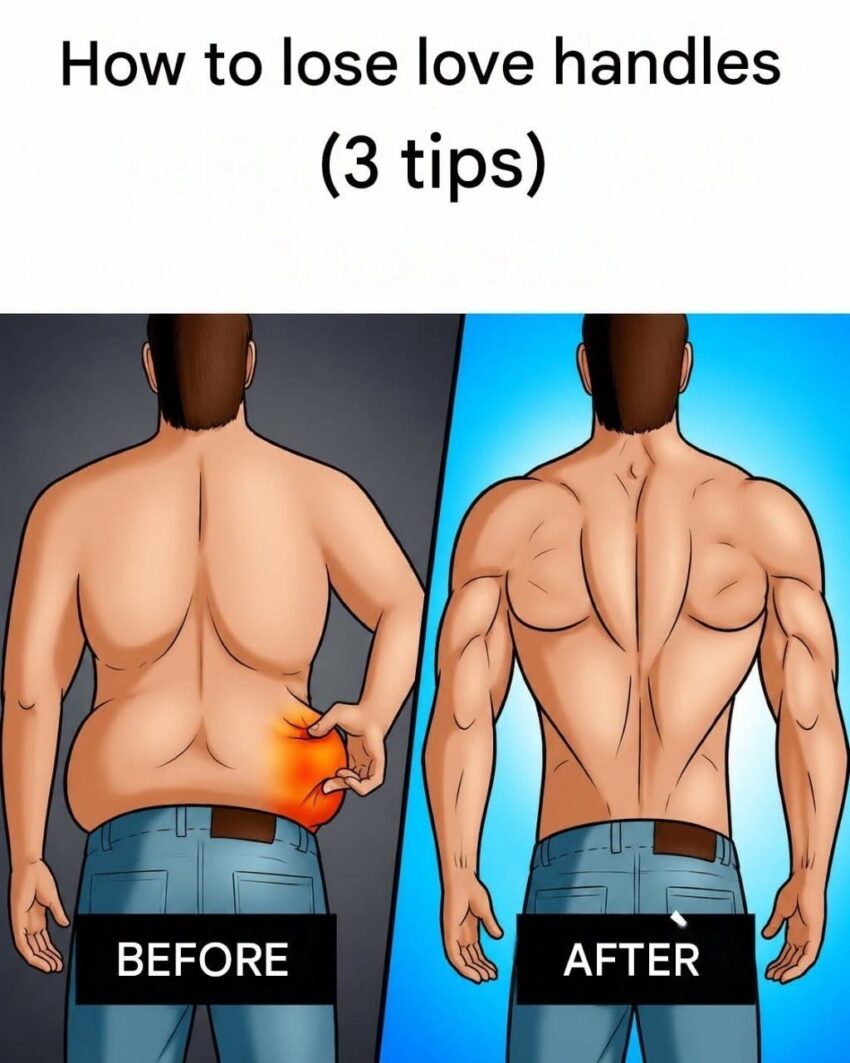
How to Lose Love Handles: 3 Effective Tips


Love handles are the areas of fat around the sides of your waist, just above your hips. They are common in both men and women. The best way to reduce them is to lower overall body fat, eat a balanced diet, and build muscle through exercise.
One important fact: you cannot choose exactly where your body loses fat. Side bends, crunches, and other abdominal exercises strengthen your muscles, but they do not directly burn fat only from your waist.
Here are three practical tips to help you reduce love handles.
1. Improve your diet and control your calorie intake
Why it works
To lose body fat, your body generally needs to use more energy than you consume. This is called a calorie deficit. A small, sustainable deficit is usually easier to maintain than a strict diet.
What to do
-
Eat more protein: Include eggs, fish, chicken, beans, lentils, tofu, Greek yogurt, or other protein-rich foods. Protein helps maintain muscle and keeps you feeling full.
-
Eat more vegetables and fruit: They provide fiber, vitamins, and nutrients while helping you feel satisfied.
-
Choose high-fiber carbohydrates: Oats, brown rice, whole-grain bread, potatoes, and beans can fit into a fat-loss diet.
-
Reduce sugary drinks: Replace soda, sweetened coffee, and frequent sugary juices with water or unsweetened drinks.
-
Limit highly processed snacks: Chips, cookies, pastries, and fast food can make it easier to consume more calories than you need. You do not have to eliminate them completely.
-
Watch portion sizes: Eat slowly and stop when comfortably satisfied rather than uncomfortably full.
Example of a simple daily eating plan

Breakfast
Oatmeal with fruit and Greek yogurt, or eggs with whole-grain toast.
Lunch
Chicken, tofu, or beans with rice and a generous serving of vegetables.

Dinner
Fish, lean meat, or lentils with vegetables and potatoes or whole grains.

Snacks, if hungry
Fruit, yogurt, nuts, or vegetables with hummus.
Pro tip: You do not need to stop eating carbohydrates or skip meals. Focus on consistent portions, protein, fiber, and overall food quality.
2. Combine cardio with strength training

Why it works
Cardio helps you expend energy, while strength training builds and preserves muscle. Combining both is an effective approach to improving body composition and reducing overall body fat.
A. Do cardio 3–5 days per week
Choose an activity you enjoy, such as:
-
Brisk walking
-
Cycling
-
Swimming
-
Jogging
-
Dancing
-
Using an elliptical machine
If you are an adult, a useful general target is 150–300 minutes of moderate-intensity aerobic activity per week, building up gradually as your fitness improves.
For beginners, start with a 15–20-minute walk and gradually increase the duration.
B. Strength train 2–3 days per week
Train your major muscle groups rather than focusing only on your waist.

Squats
2–3 sets of 8–12 repetitions
Strengthen your legs and glutes.

Push-ups
2–3 sets of 6–12 repetitions
Build your chest, shoulders, and arms. Use a wall or elevated surface to make them easier.

Rows
2–3 sets of 8–12 repetitions
Strengthen your back and help develop balanced upper-body strength.
Rest between sets and increase resistance gradually as exercises become easier.
Pro tip: Consistency matters more than exhausting yourself. A manageable routine you follow for months is better than an intense routine you abandon after a week.
3. Train your core, sleep well, and stay consistent

Why it works
Core exercises strengthen the obliques and other muscles around your abdomen. They can improve stability, posture, and muscular definition as overall body fat decreases.
Three useful core exercises

1. Side plank
-
Hold for 15–30 seconds per side.
-
Complete 2–3 sets.
-
Keep your hips lifted and your body in a straight line.

2. Bird dog
-
Perform 8–12 repetitions per side.
-
Complete 2–3 sets.
-
Extend the opposite arm and leg while keeping your back stable.

3. Dead bug
-
Perform 8–12 repetitions per side.
-
Complete 2–3 sets.
-
Keep your lower back controlled as you slowly extend opposite limbs.
Do this short core routine 2–3 times per week, allowing recovery between harder sessions. Stop if an exercise causes pain.
Do not overlook sleep and recovery
-
Aim for 7–9 hours of sleep per night if you are an adult.
-
Keep a consistent sleep schedule.
-
Take rest days when needed.
-
Manage stress with walking, relaxation, or other activities you enjoy.
-
Track progress using waist measurements, how your clothes fit, and your strength—not just your daily weight.
Poor sleep and stress can make appetite and healthy routines harder to manage, so recovery is part of the process.
A simple weekly plan to get started
|
Day |
Activity |
|---|---|
|
Monday |
Full-body strength + 10 minutes of core |
|
Tuesday |
25–35 minutes of brisk walking |
|
Wednesday |
Full-body strength |
|
Thursday |
25–35 minutes of cycling or walking |
|
Friday |
Full-body strength + 10 minutes of core |
|
Saturday |
Longer walk, swimming, or another enjoyable activity |
|
Sunday |
Rest or gentle walking |
Adjust the duration and intensity to your current fitness level. You can begin with fewer days and build up gradually.
How long does it take to lose love handles?
Results vary depending on your starting body composition, genetics, diet, activity level, and consistency.
-
First 2–4 weeks: You may notice improvements in energy, fitness, and exercise habits.
-
Around 4–8 weeks: Some people begin noticing changes in waist measurements or how clothes fit.
-
Over 8–12 weeks and beyond: More noticeable changes may occur if the routine is consistent and appropriate for the individual.
These are rough examples, not guaranteed timelines. You cannot control which area loses fat first, and love handles may be among the last areas to change for some people.
Avoid crash diets, dehydration, and products claiming to burn belly fat specifically.
The three tips to remember
-
Eat for fat loss: Prioritize protein, vegetables, fiber, and sensible portions.
-
Move and build muscle: Combine regular cardio with full-body strength training.
-
Strengthen your core and recover: Train your obliques, sleep enough, and stick with the routine.
The key is reducing overall body fat while maintaining muscle—not trying to burn fat from one specific spot.