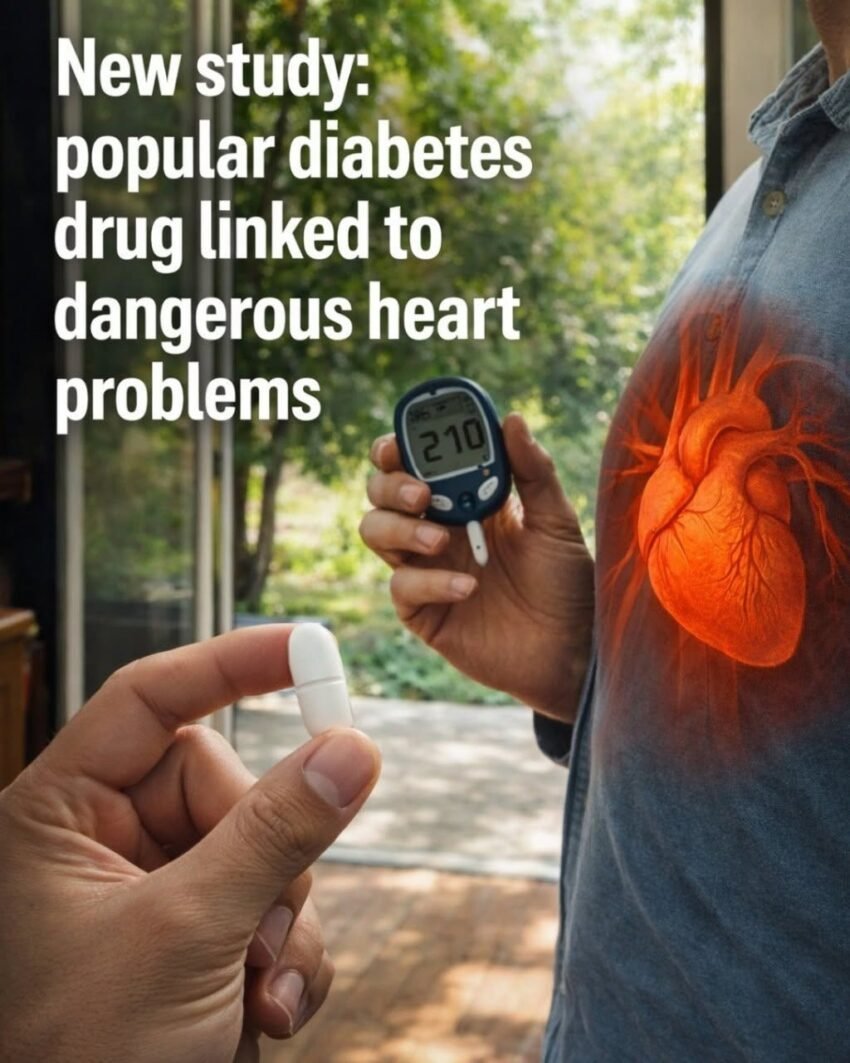
Yes. The claim you’re referring to is about rosiglitazone (Avandia), an older type 2 diabetes medication. Importantly, the study behind this headline is from 2020, not a new 2026 study. It was a large re-analysis of more than 130 clinical trials involving over 48,000 adults.
What did the study actually find?
Researchers from Yale re-analyzed clinical-trial data to investigate whether rosiglitazone increases cardiovascular risk. The trials compared rosiglitazone with various control treatments and lasted at least 24 weeks.
- More than 130 trials
- Over 48,000 participants
- Individual patient-level data were available for 21,156 people across 33 trials
- The remaining trials provided summary-level data.
The researchers found evidence that rosiglitazone was associated with an increased risk of heart failure and heart attack (myocardial infarction). The frequently reported 33% figure refers to the increased risk of certain cardiovascular outcomes in the analysis—not that one-third of people taking the drug would have a heart attack or heart failure.
Why is rosiglitazone a concern?
Rosiglitazone belongs to a class called thiazolidinediones (TZDs). It lowers blood glucose by making the body’s tissues more sensitive to insulin.
The problem is that the drug can cause fluid retention. In susceptible patients, this can worsen or precipitate congestive heart failure. That’s why heart failure is a particularly important concern with rosiglitazone.
There is an important distinction:
Heart attack ≠ heart failure.
- Heart attack: a coronary artery becomes blocked, damaging heart muscle.
- Heart failure: the heart cannot pump adequately, causing symptoms such as breathlessness, swelling and fatigue.
The cardiovascular safety concerns with rosiglitazone have been debated for many years, particularly after earlier analyses raised questions about heart attacks.
Does this mean everyone taking rosiglitazone is in danger?
No. A relative-risk increase does not tell you an individual’s absolute risk.
For example, if a hypothetical complication occurred in 3 out of 100 comparable patients taking another treatment, a 33% relative increase would correspond to roughly 4 out of 100—not 33 out of 100.
Also, this was a meta-analysis/re-analysis of clinical trials, rather than a new study in which 48,000 people were newly enrolled and followed specifically for cardiovascular events. That distinction matters when interpreting sensational headlines.
Is rosiglitazone still prescribed?
It is far less commonly used than many newer diabetes medications, and its cardiovascular safety history has led to substantial restrictions and caution over the years. The medication isn’t simply equivalent to modern diabetes drugs such as GLP-1 receptor agonists or SGLT2 inhibitors.
So if you saw a headline saying “a widely prescribed diabetes drug increases heart attack and heart failure risk by 33%,” it is most likely referring to rosiglitazone and this 2020 BMJ analysis, rather than a brand-new study.
If you tell me the name of the diabetes medicine you or someone you know takes, I can explain its specific heart risks, benefits, and what the latest evidence says.