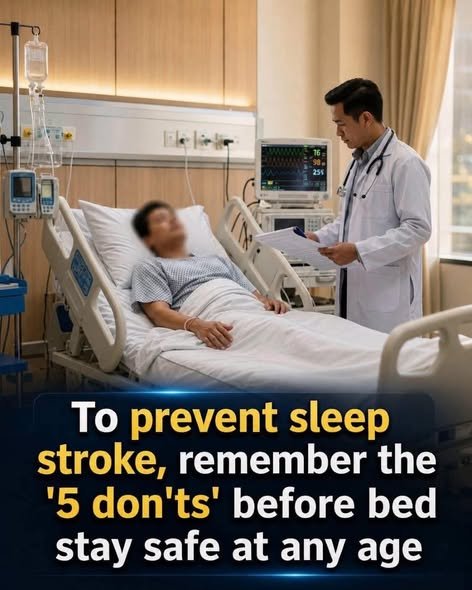
Here are the most important simple habits that significantly reduce risk—and why they matter.
1. Keep blood pressure under control (the biggest factor)
High blood pressure is the #1 cause of stroke worldwide. It silently damages and weakens brain blood vessels until they either block or burst.
What helps:
- Reduce salt (especially processed foods, chips, packaged snacks)
- Walk or move daily (even 30 minutes helps)
- Maintain a healthy weight
- Take prescribed blood pressure medication consistently if needed
Even small reductions in blood pressure can dramatically lower stroke risk.
2. Stay physically active (daily movement matters more than gym intensity)
You don’t need intense workouts. What matters is regular movement.
Benefits:
- Improves blood flow to the brain
- Lowers blood pressure and blood sugar
- Reduces clot formation risk
Simple habits:
- Brisk walking 20–40 minutes daily
- Taking stairs instead of lifts
- Standing and stretching every 30–60 minutes if sitting long hours
3. Control blood sugar (prevent diabetes damage)
High blood sugar damages blood vessels over time, increasing stroke risk.
Helpful habits:
- Limit sugary drinks (sodas, packaged juices)
- Eat balanced meals (protein + fiber + healthy fats)
- Avoid frequent refined carbs (white bread, pastries)
- Get screened if you have risk factors (family history, weight gain)
4. Improve diet quality (protect your arteries)
A stroke often starts with narrowed or clogged arteries.
Best protective eating pattern:
- More fruits and vegetables (fiber helps clear cholesterol)
- Whole grains instead of refined flour
- Healthy fats like olive oil, nuts, seeds, fish
- Less fried and ultra-processed foods
Think of it as “keeping pipes clean,” not just “eating healthy.”
5. Stop smoking and avoid second-hand smoke
Smoking damages blood vessels directly and makes blood more likely to clot.
Even “light smoking” increases stroke risk significantly. The benefit of quitting starts within weeks as circulation improves.
6. Limit alcohol (excess raises stroke risk sharply)
Heavy drinking increases:
- Blood pressure
- Irregular heart rhythms (like atrial fibrillation)
- Risk of clotting and bleeding strokes
If you drink, keeping it minimal and occasional is far safer than regular use.
7. Treat heart rhythm problems (especially atrial fibrillation)
An irregular heartbeat can form clots in the heart that travel to the brain.
Warning signs:
- Palpitations
- Irregular pulse
- Shortness of breath or fatigue
This condition is treatable, but often missed unless checked.
8. Manage stress and sleep (often overlooked but important)
Chronic stress and poor sleep increase blood pressure and inflammation.
Helpful habits:
- 7–8 hours of sleep regularly
- Reducing constant screen stress before bed
- Simple breathing or relaxation practices
- Keeping a consistent sleep schedule
9. Know and act on warning symptoms (critical lifesaving habit)
A stroke can sometimes be reversed if treated fast.
Think FAST:
- Face drooping
- Arm weakness
- Speech difficulty
- Time to seek emergency help immediately
Even if symptoms disappear quickly, it may be a mini-stroke (TIA) and still needs urgent care.
The main takeaway
Most strokes are not random. They’re usually the result of:
- long-term high blood pressure
- unhealthy vessels
- clot formation risks
The good news: these are heavily influenced by daily habits.
If you want, I can also:
- assess your personal risk based on age/lifestyle
- or give a simple “stroke prevention daily routine” you can actually follow without complexity