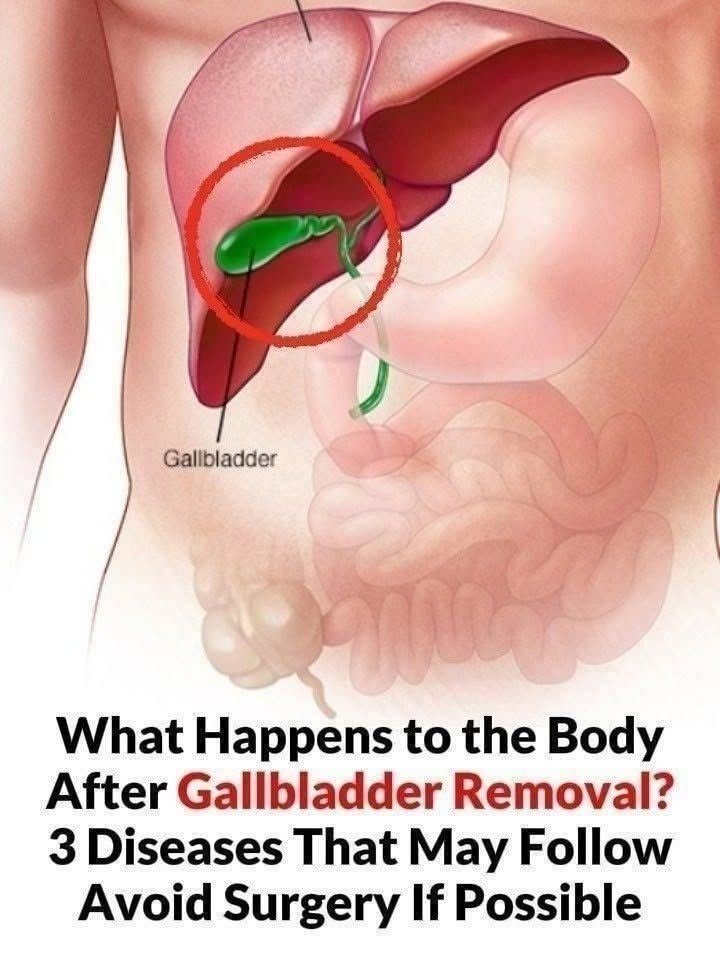
Gallbladder removal surgery (cholecystectomy) is one of the most common abdominal surgeries. It is usually performed when gallstones cause repeated pain, inflammation, infection, or blockage of the bile ducts. For many people, it is safe and improves quality of life. However, like any surgery, it can have long-term effects, and some people experience digestive changes afterward.
The idea that you should always avoid gallbladder removal is not medically accurate. In some situations, avoiding surgery can be dangerous because untreated gallstones may lead to serious complications. The decision depends on your symptoms, the condition of your gallbladder, and your overall health.
Below are three conditions or problems that some people may develop after gallbladder removal, along with why doctors sometimes try to avoid unnecessary surgery.
1. Post-Cholecystectomy Syndrome (Digestive Problems After Surgery)
What is it?
Post-cholecystectomy syndrome refers to a group of symptoms that continue or appear after gallbladder removal. It can occur in some patients even though the surgery itself was successful.
Possible symptoms:
- Upper abdominal pain
- Indigestion
- Bloating
- Gas
- Nausea
- Diarrhea
- Acid reflux
- Food intolerance (especially fatty foods)
Why can this happen?
The gallbladder normally stores and concentrates bile, a fluid made by the liver that helps digest fats.
After removal:
- Bile flows continuously from the liver into the intestine.
- The intestine may receive bile differently than before.
- Some people have difficulty handling larger amounts of fat in meals.
Causes may include:
- Remaining gallstones in the bile duct
- Irritation of the bile ducts
- Sphincter of Oddi dysfunction (a problem with the muscle controlling bile flow)
- Acid reflux or other digestive disorders unrelated to the gallbladder
- Changes in bile movement
Management:
Many people improve with:
- Lower-fat meals
- Smaller, more frequent meals
- Increased dietary fiber
- Medicines for diarrhea or reflux when needed
- Treatment of any remaining bile duct problems
2. Bile Acid Diarrhea
What is it?
One of the more recognized digestive problems after gallbladder removal is bile acid diarrhea.
Normally, the gallbladder releases bile in controlled amounts when you eat. Without it, bile may continuously enter the intestine.
If excess bile reaches the colon:
- It irritates the intestinal lining.
- It increases water movement into the bowel.
- This can cause frequent, watery stools.
Symptoms:
- Chronic loose stools
- Urgency to use the bathroom
- Diarrhea after eating
- Abdominal cramping
Who is more likely to experience it?
Risk may be higher in people who:
- Already have bowel disorders
- Have certain intestinal conditions
- Have difficulty absorbing bile acids
Treatment:
Doctors may recommend:
- Dietary adjustments
- More soluble fiber
- Bile acid–binding medications such as:
- Cholestyramine
- Other bile acid sequestrants
Many patients can control symptoms effectively.
3. Increased Risk of Certain Digestive and Metabolic Changes
The gallbladder is not essential for survival, but it plays a role in digestion and bile regulation. Some studies have explored possible associations between gallbladder removal and other health changes.
Possible issues reported in research include:
A. Changes in fat digestion
Some people notice:
- Difficulty digesting very fatty meals
- Increased bloating after fried foods
- Discomfort after large meals
This is because bile is no longer stored and released in response to meals.
B. Changes in gut bacteria
The continuous flow of bile may influence the intestinal environment.
Some research suggests gallbladder removal can alter:
- Gut microbiome composition
- Bile acid metabolism
The long-term importance of these changes is still being studied.
C. Possible metabolic associations
Some studies have investigated links between gallbladder removal and conditions such as:
- Weight changes
- Cholesterol metabolism changes
- Fatty liver disease risk
These relationships are complex and may also be influenced by the original reasons someone developed gallstones, such as obesity, diet, insulin resistance, or genetics.
Why Doctors Sometimes Try to Avoid Gallbladder Surgery
Doctors may avoid surgery when:
1. Gallstones are present but cause no symptoms
Many people have gallstones discovered accidentally and never develop problems.
If there is:
- No pain
- No infection
- No blockage
Surgery may not be necessary.
2. The patient has high surgical risk
Some people may have increased risks due to:
- Severe heart disease
- Lung disease
- Advanced age
- Certain medical conditions
In these cases, doctors may consider alternatives.
3. Symptoms may not actually come from the gallbladder
Not all abdominal pain is caused by gallstones.
Removing the gallbladder may not fix symptoms caused by:
- Irritable bowel syndrome
- Stomach ulcers
- Acid reflux
- Pancreatic problems
- Other digestive diseases
A careful diagnosis is important before surgery.
When Gallbladder Removal Is Usually Recommended
Surgery is commonly recommended when gallstones cause:
Recurrent biliary colic
Episodes of:
- Severe right upper abdominal pain
- Pain after fatty meals
- Pain spreading to the back or shoulder
Acute cholecystitis
Inflammation of the gallbladder, often causing:
- Fever
- Severe pain
- Tenderness
- Infection risk
Complications:
- Blocked bile ducts
- Pancreatitis caused by gallstones
- Repeated gallbladder attacks
In these situations, avoiding surgery may carry greater risks.
Can You Prevent Gallbladder Surgery?
Sometimes, depending on your situation, you may reduce gallstone problems through:
- Maintaining a healthy weight
- Avoiding rapid weight loss
- Eating a balanced diet high in fiber
- Limiting excessive saturated fats
- Managing diabetes and cholesterol
- Staying physically active
However, once large or symptomatic gallstones develop, lifestyle changes may not remove them.
Summary
Gallbladder removal can sometimes lead to:
- Post-cholecystectomy syndrome — ongoing abdominal discomfort and digestive symptoms.
- Bile acid diarrhea — loose stools caused by excess bile reaching the colon.
- Changes in digestion and metabolism — including altered fat digestion and possible gut-related changes.
However, gallbladder removal is not automatically harmful. For people with painful or dangerous gallstone disease, surgery can prevent serious complications and is often the best treatment.
The key point is: avoid unnecessary gallbladder surgery, but do not avoid a medically necessary operation. A proper evaluation (symptoms, ultrasound findings, blood tests, and overall health) is needed before deciding.