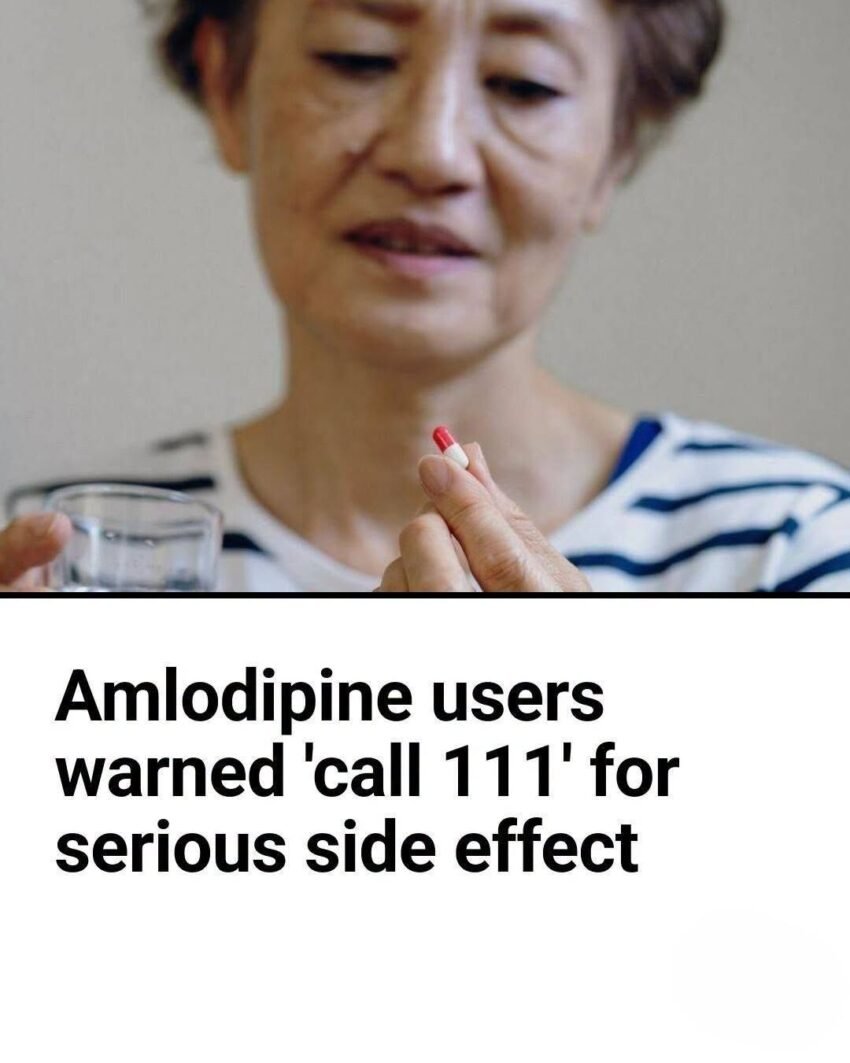
If you mean a warning for people taking amlodipine to call 111 because of a serious side effect, here is the detailed information.
Amlodipine is a calcium-channel blocker commonly used to treat high blood pressure (hypertension) and chest pain (angina). Most people tolerate it well, but some side effects need urgent medical attention.
Call 111 (urgent medical advice in the UK/NHS) if you take amlodipine and have:
1. Signs of a serious allergic reaction (call 999 if severe)
Seek urgent help if you develop:
- Swelling of the lips, mouth, tongue, face, or throat
- Trouble breathing or wheezing
- Severe rash, blistering, or peeling skin
- Difficulty swallowing
- Sudden dizziness or fainting
These can indicate a serious allergic reaction.
2. New or worsening chest pain
Get urgent medical advice if:
- Chest pain becomes worse, lasts longer, or feels different from usual
- You feel pressure, tightness, or heaviness in the chest
- Pain spreads to the arm, jaw, back, or neck
- You have sweating, nausea, or shortness of breath
Call 999 for symptoms suggesting a heart attack.
3. Severe dizziness, fainting, or very low blood pressure
Contact urgent services if you have:
- Fainting or near-fainting
- Severe weakness
- Confusion
- A very slow or irregular heartbeat with symptoms
4. Signs of liver problems (rare)
Seek medical advice if you notice:
- Yellowing of the skin or eyes (jaundice)
- Dark urine
- Pale stools
- Severe tiredness
- Upper abdominal pain
5. Severe swelling or fluid retention
Some ankle swelling is a common side effect, but seek advice if:
- Swelling is sudden or severe
- Your legs, feet, or hands become very swollen
- You develop breathlessness or rapid weight gain
Common side effects (usually not an emergency)
These may include:
- Ankle or foot swelling
- Headache
- Flushing
- Dizziness
- Tiredness
- Feeling your heartbeat more strongly (palpitations)
Do not stop amlodipine suddenly without medical advice, because your blood pressure or angina symptoms may worsen.
If you are in the UK, call 111 for urgent but non-life-threatening concerns. Call 999 for severe breathing problems, collapse, or suspected heart attack.
If you tell me your dose (for example 5 mg or 10 mg), your age, and the symptom you are worried about, I can help you judge how urgent it may be.