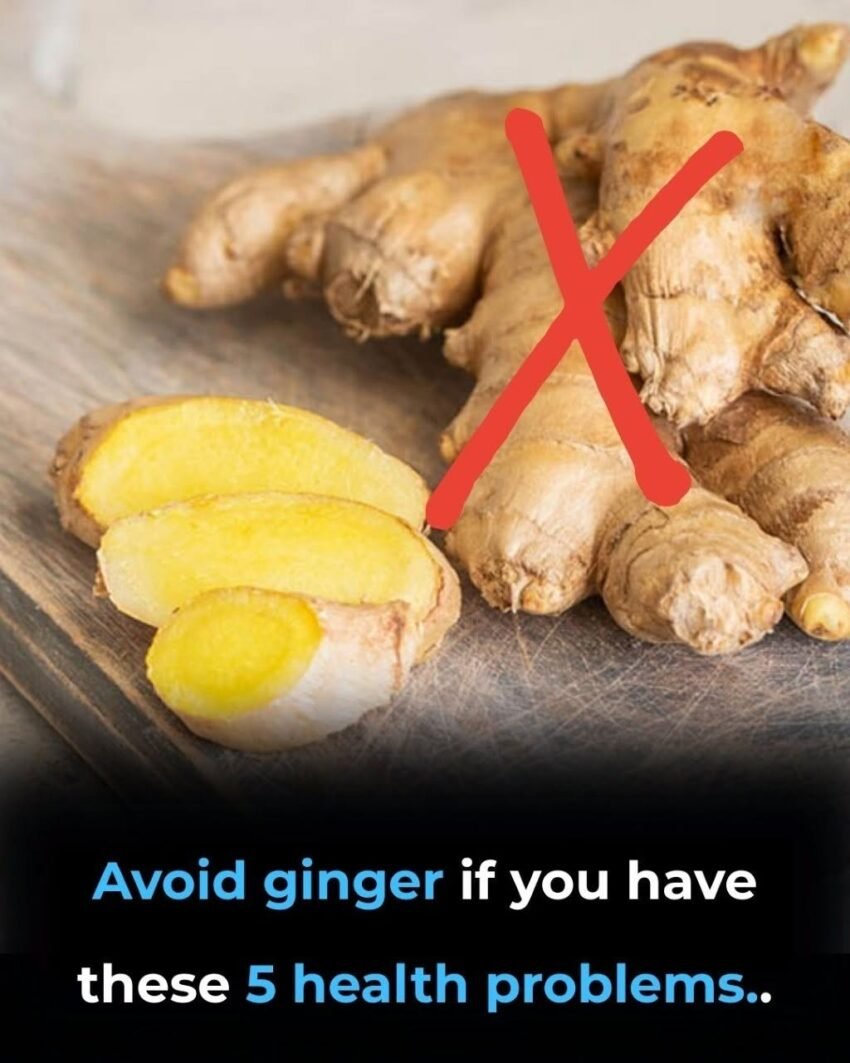
Ginger is widely used as a spice and traditional remedy, and for many people it is safe in normal food amounts. However, certain health conditions may require caution, especially if ginger is taken in large amounts or as a supplement. Here are five situations where ginger may not be the best choice.
1. Bleeding Disorders
Ginger may have a mild blood-thinning effect, which can increase the risk of bleeding in some people.
Why it can be a concern:
- May slow blood clotting.
- Could increase bruising or prolonged bleeding.
- Risk may be higher when combined with blood-thinning medications.
People who should be cautious:
- Those with hemophilia or other clotting disorders.
- People taking medications such as warfarin, apixaban, rivaroxaban, or clopidogrel.
Symptoms to watch for:
- Frequent nosebleeds
- Easy bruising
- Bleeding gums
- Blood in urine or stool
2. Gallstones or Gallbladder Disease
Ginger may stimulate bile production, which can worsen symptoms in some people with gallstones.
Potential problems:
- Increased abdominal pain
- Gallbladder spasms
- Worsening discomfort after meals
Symptoms of gallbladder problems:
- Sharp pain in the upper right abdomen
- Pain after eating fatty foods
- Nausea and vomiting
- Fever (seek medical care immediately if this occurs)
If you have known gallstones or gallbladder disease, consult your healthcare provider before taking ginger supplements.
3. Low Blood Pressure (Hypotension)
Ginger may slightly lower blood pressure in some individuals.
Possible effects:
- Dizziness
- Lightheadedness
- Fainting
- Fatigue
Extra caution if you:
- Already have low blood pressure.
- Take medications for high blood pressure.
- Experience frequent dizziness.
Monitor your blood pressure if consuming ginger regularly in medicinal amounts.
4. Diabetes (Especially if Taking Medication)
Some research suggests ginger may help lower blood sugar, but combining it with diabetes medications could increase the risk of hypoglycemia (low blood sugar).
Possible symptoms of low blood sugar:
- Sweating
- Shaking
- Hunger
- Confusion
- Rapid heartbeat
- Blurred vision
People with diabetes should monitor blood glucose carefully and discuss supplement use with their healthcare provider.
5. Before Surgery
Because ginger may affect blood clotting, many surgeons recommend avoiding ginger supplements before an operation.
General recommendation:
- Inform your surgeon about all herbal supplements.
- Many healthcare providers advise stopping ginger supplements about 1–2 weeks before surgery, depending on the procedure and your medical history.
This may help reduce the risk of excessive bleeding during or after surgery.
Can Most People Eat Ginger Safely?
For most healthy adults, ginger is considered safe when used in normal cooking amounts. It may also help relieve:
- Mild nausea
- Motion sickness
- Pregnancy-related nausea (under medical guidance)
- Mild indigestion
Side effects are usually mild and may include:
- Heartburn
- Stomach upset
- Gas
- Mouth irritation
Key Takeaway
You should be especially cautious with ginger—particularly in supplement or high-dose form—if you:
- Have a bleeding disorder or take blood thinners.
- Have gallstones or gallbladder disease.
- Have low blood pressure.
- Have diabetes and take blood sugar-lowering medication.
- Are preparing for surgery.
If you have any of these conditions or take prescription medications, it’s a good idea to consult your healthcare provider before using ginger supplements or consuming it in large medicinal amounts. Normal culinary use is generally considered safe for most people.