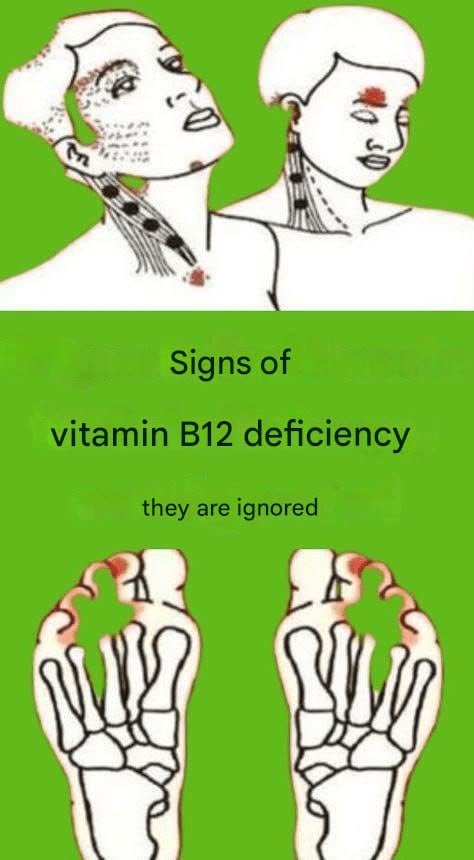
Vitamin B12 deficiency can develop gradually, and the symptoms are often mistaken for stress, aging, depression, or other conditions. If it goes untreated for a long time, some nerve damage can become permanent. Here are the signs in detail.
Early symptoms
These may be subtle at first:
- Persistent tiredness or weakness, even after adequate sleep.
- Pale or slightly yellowish skin.
- Shortness of breath during physical activity.
- Heart palpitations.
- Loss of appetite and unintended weight loss.
- Headaches.
- Dizziness or feeling lightheaded.
Neurological (nerve-related) symptoms
These symptoms occur because vitamin B12 is essential for healthy nerves.
- Tingling or “pins and needles” in the hands, feet, or legs.
- Numbness in the fingers or toes.
- Burning or painful feet.
- Difficulty walking or poor balance.
- Muscle weakness.
- Frequent falls.
- Reduced sense of touch or vibration.
These symptoms should be evaluated promptly, as prolonged deficiency can cause lasting nerve damage.
Mental and psychological symptoms
Vitamin B12 deficiency can affect the brain and nervous system.
- Memory problems or forgetfulness.
- Difficulty concentrating (“brain fog”).
- Confusion.
- Depression.
- Irritability.
- Anxiety.
- Mood changes.
- In severe cases, hallucinations, paranoia, or dementia-like symptoms.
Mouth and tongue changes
- A swollen, smooth, bright red tongue (called glossitis).
- Mouth ulcers.
- Burning sensation in the tongue.
- Changes in taste.
- Cracks at the corners of the mouth.
Digestive symptoms
- Nausea.
- Vomiting.
- Constipation.
- Diarrhea.
- Bloating.
- Loss of appetite.
Blood-related symptoms
Vitamin B12 deficiency commonly causes a type of anemia.
Signs include:
- Extreme fatigue.
- Weakness.
- Pale skin.
- Shortness of breath.
- Rapid heartbeat.
- Feeling faint.
Severe or long-term deficiency
If untreated, vitamin B12 deficiency may lead to:
- Permanent nerve damage.
- Difficulty walking independently.
- Vision problems due to optic nerve damage.
- Severe cognitive impairment.
- Infertility (sometimes reversible with treatment).
People at higher risk
You may be more likely to develop vitamin B12 deficiency if you:
- Follow a strict vegan diet without supplementation.
- Have had stomach or intestinal surgery.
- Have digestive disorders such as Crohn’s disease or Celiac disease.
- Have Pernicious anemia.
- Are older than 60 years.
- Take certain medications for a long time, such as Metformin or Omeprazole.
How it is diagnosed
A healthcare professional may recommend:
- Complete blood count (CBC).
- Vitamin B12 blood level.
- Methylmalonic acid (MMA) test.
- Homocysteine level.
- Additional tests to identify the underlying cause if needed.
Treatment
Treatment depends on the cause and severity:
- Vitamin B12-rich foods (meat, fish, eggs, dairy, and fortified foods).
- Oral vitamin B12 supplements for many people.
- Vitamin B12 injections if absorption is impaired or the deficiency is severe.
- Treatment of the underlying cause, if one is identified.
Many people begin to feel better within days to weeks of treatment, although recovery of nerve symptoms can take months. Long-standing nerve damage may not fully reverse.
If you have symptoms such as numbness, tingling, difficulty walking, severe fatigue, or memory problems, it’s a good idea to arrange a medical evaluation promptly, since early treatment can help prevent complications.