Sugary Soft Drinks: How Regular Consumption Can Affect Your Health
Sugary soft drinks are among the most common sources of added sugar in many people’s diets. Although they may taste refreshing and provide a quick burst of energy, drinking them regularly can have significant effects on your teeth, body weight, blood sugar, heart, liver, and overall long-term health.
The key concern is not usually an occasional soft drink, but frequent consumption of sugar-sweetened beverages, particularly when they replace water or other nutritious drinks.
1. What are sugary soft drinks?


Sugary soft drinks are beverages that contain added sugars, such as sucrose, glucose, or high-fructose corn syrup. They generally provide calories but little or no essential nutrients, such as fiber, vitamins, and minerals.
Common examples include:
-
Regular cola and other carbonated sodas.
-
Orange, lemon-lime, and other fruit-flavored sodas.
-
Sweetened energy drinks and sports drinks.
-
Sweetened iced teas and bottled tea beverages.
-
Sweetened fruit drinks and punches that are not 100% fruit juice.
-
Some sweetened lemonade and flavored water products.
Important distinction: Diet or zero-sugar soft drinks generally contain little or no sugar, so the effects described below do not apply to them in exactly the same way. However, their overall health effects depend on the ingredients and what they replace in the diet. Fruit juice and naturally sweetened drinks can also contain substantial amounts of sugar, even when they contain no added sugar.
2. How much sugar is in a typical soft drink?

12 fl oz (355 mL)
35–40 g
About 9–10 teaspoons of sugar

20 fl oz (591 mL)
60–70 g
About 15–17 teaspoons of sugar
These are approximate amounts; the actual sugar content depends on the brand and product. One teaspoon of sugar is approximately 4 grams.
For context, the American Heart Association suggests limiting added sugar to about 25 grams per day for most women and 36 grams per day for most men. These are suggested limits, not amounts that people need to consume.
A single large bottle of regular soda can therefore provide substantially more added sugar than the daily amount suggested by these guidelines.
3. Major health effects of regularly drinking sugary soft drinks
1. Weight gain and obesity

How it happens
Sugary drinks provide calories in liquid form. They may not make you feel as full as solid foods with a similar calorie content, so you might not compensate by eating less later.
When sugary drinks regularly add excess calories to your diet, those calories can contribute to weight gain and an increased risk of obesity.
For example, a drink containing 150 calories consumed every day adds 1,050 calories per week if nothing else in the diet changes. The body’s response is not perfectly predictable, so this does not translate directly into a fixed amount of weight gain.
Excess body fat, particularly around the abdomen, is associated with a higher risk of several chronic conditions, including type 2 diabetes, high blood pressure, and cardiovascular disease.
2. Increased risk of type 2 diabetes
Sugary soft drinks can raise blood glucose levels relatively quickly because their sugars are readily absorbed.
Here is the general process:
-
You drink a sugary beverage.
-
The sugar is absorbed into your bloodstream.
-
Your pancreas releases insulin to help move glucose into cells.
-
Repeatedly consuming excess calories and developing excess body fat can contribute to insulin resistance in susceptible people.
-
Over time, insulin resistance can increase the risk of developing type 2 diabetes.
The concern is not that every rise in blood sugar is harmful or that one soda causes diabetes. Rather, regular high consumption is associated with a greater long-term risk of type 2 diabetes, including through weight gain and potentially through metabolic effects beyond weight alone.
People who already have diabetes or prediabetes may also find that sugary drinks cause substantial increases in blood glucose.
3. Tooth decay and damage to tooth enamel


Sugary soft drinks can damage oral health in two main ways.
-
Tooth decay: Bacteria in dental plaque use sugars to produce acids that attack tooth enamel.
-
Enamel erosion: Many soft drinks are acidic, even those that contain no sugar. Their acidity can gradually wear away the protective enamel surface.
Frequent sipping throughout the day increases the amount of time teeth are exposed to sugar and acid. This can contribute to cavities, tooth sensitivity, and discoloration.
How to reduce the damage:
-
Drink water between meals instead of continually sipping soda.
-
Have sugary drinks less frequently.
-
Avoid swishing or holding soda in your mouth.
-
Rinse your mouth with water afterward.
-
Wait about 30–60 minutes after an acidic drink before brushing your teeth, because enamel may temporarily be softened.
Fluoride toothpaste and regular dental checkups are also important.
4. Heart disease and high blood pressure
Regularly consuming large amounts of sugary drinks is associated with a higher risk of cardiovascular problems.
Several factors may contribute:
-
High blood pressure: Excess calorie intake and weight gain can increase blood pressure. High sugar intake may also affect metabolic processes involved in blood pressure regulation.
-
High triglycerides: A diet high in added sugars, particularly when it supplies excess calories, can raise triglyceride levels in the blood.
-
Unfavorable cholesterol patterns: Excess sugar intake can contribute to metabolic changes associated with lower HDL cholesterol and higher triglycerides in some people.
-
Atherosclerotic disease: Over time, high blood pressure, abnormal blood lipids, diabetes, and other risk factors can contribute to the buildup of plaque in arteries.
These are risk relationships rather than a guarantee that a person who drinks soda will develop heart disease. Nevertheless, reducing sugary drinks is a practical step toward improving overall cardiovascular health.
5. Fat accumulation in the liver

The liver processes sugars absorbed from the digestive tract. Excess energy and high intake of rapidly absorbed sugars, particularly fructose-containing sugars, can promote the production of fat in the liver.
Over time, this can contribute to metabolic dysfunction-associated steatotic liver disease (MASLD), formerly called nonalcoholic fatty liver disease.
Potential consequences include:
-
Fat accumulation in liver cells.
-
Liver inflammation in some people.
-
Liver scarring or fibrosis in more advanced cases.
-
Increased risk of liver complications in a subset of affected individuals.
Not everyone who drinks sugary soft drinks develops fatty liver disease. Risk depends on overall diet, body weight, genetics, physical activity, alcohol intake, and other medical factors. However, reducing frequent sugar-sweetened beverage consumption is a sensible preventive measure.
6. Increased risk of gout
Gout is a form of inflammatory arthritis caused by the buildup of uric acid crystals in joints.
Sugary drinks containing fructose can increase uric acid production. If uric acid levels remain high, crystals may form in joints, causing sudden episodes of severe pain, swelling, redness, and warmth.
The big toe is a common site, although gout can affect other joints.
Regular sugary drink consumption is associated with a higher risk of gout, especially in people who already have elevated uric acid levels or other risk factors. People with gout are generally advised to limit sugary beverages and follow their clinician’s recommendations.
7. Effects on children’s growth and health

Children and teenagers can be particularly affected by frequent sugary drink consumption because their dietary habits are still developing.
Potential consequences include:
-
Excess weight gain: Liquid calories can add up without providing much fullness.
-
Dental cavities: Children’s teeth are vulnerable to frequent exposure to sugar and acids.
-
Increased metabolic risk: High consumption is associated with unhealthy weight gain and a greater risk of metabolic problems over time.
-
Poor dietary quality: Sugary drinks can displace water and nutritious beverages, including milk when appropriate.
-
Habit formation: Regularly drinking very sweet beverages can make less-sweet options seem less appealing.
The World Health Organization advises against sugar-sweetened beverages for children under two years of age. For older children, minimizing added sugars and making water the default drink are sensible approaches.
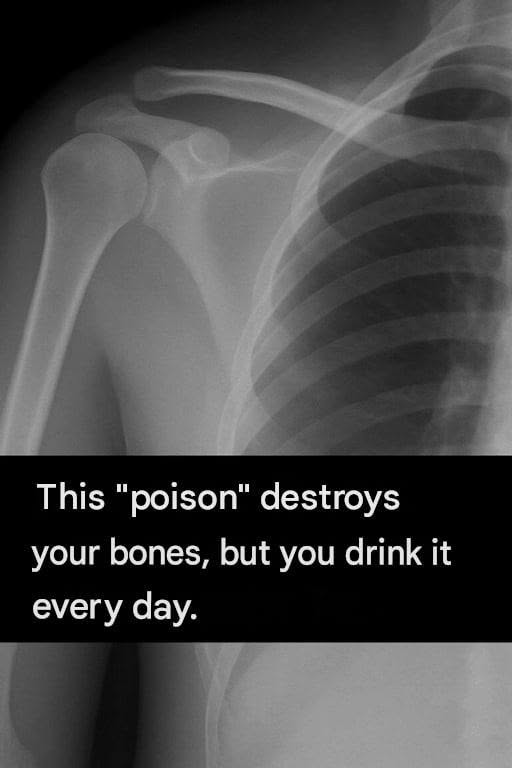
8. Possible effects on bone health
The relationship between soft drinks and bone health is more complicated than it is sometimes presented.
Some studies have found associations between frequent cola consumption and lower bone mineral density, particularly in certain groups. However, this does not establish that cola directly causes osteoporosis.
Possible contributing factors include:
-
Soft drinks replacing milk or other calcium-rich beverages.
-
Low calcium and vitamin D intake.
-
Overall dietary quality and lifestyle differences.
-
Other ingredients or behavioral factors associated with beverage choices.
Phosphoric acid in some colas is often discussed in this context, but it is not accurate to say that every soft drink directly removes calcium from bones.
Practical advice: Ensure adequate calcium and vitamin D intake, exercise regularly, and avoid letting soft drinks replace nutritious beverages.
9. Digestive discomfort and bloating
Carbonated soft drinks contain dissolved carbon dioxide, which can contribute to belching, bloating, and abdominal discomfort in some people.
Sugary beverages may also cause gastrointestinal symptoms in susceptible individuals, particularly when consumed in large quantities.
Potential symptoms include:
-
Burping and a feeling of fullness.
-
Bloating or abdominal discomfort.
-
Worsening of reflux symptoms in some people.
-
Diarrhea after consuming very large amounts of certain sugar-containing drinks.
These effects vary considerably from person to person. Carbonation itself is not the same as sugar-related metabolic harm, and unsweetened sparkling water is a reasonable alternative for most people who tolerate carbonation.
10. Sleep disturbances and energy fluctuations
Regular soda may affect sleep if it contains caffeine, as many colas and energy drinks do. Caffeine can make it harder to fall asleep and may reduce sleep quality, particularly when consumed later in the day.
Sugar itself is not a reliable way to sustain energy. Although a sugary drink supplies rapidly available calories, it does not provide the balanced nutrition needed for lasting energy.
Some people may notice changes in how energetic they feel after drinking sugary beverages, but a sharp blood sugar rise followed by a crash is not inevitable in everyone.
For better sleep and more stable daily energy:
-
Choose water or unsweetened drinks most often.
-
Check labels for caffeine content.
-
Avoid caffeinated soft drinks near bedtime.
-
Eat regular, balanced meals rather than relying on sugary drinks for energy.
4. What happens when you drink sugary soft drinks regularly?
The effects depend on how much you drink, how often you drink it, your overall diet, and your individual health.
Short term: minutes to hours
Blood glucose rises as sugar is absorbed. Caffeinated drinks may increase alertness temporarily, while carbonation can cause belching or bloating.
Over weeks to months
If drinks regularly add excess calories, weight may increase. Frequent sugar and acid exposure can also increase the likelihood of dental problems.
Over years
Persistently high consumption may contribute to obesity, type 2 diabetes, high blood pressure, abnormal blood lipids, fatty liver disease, and cardiovascular problems.
These are possible patterns, not a fixed timeline. Some people develop problems sooner because of existing risk factors, while others may not develop obvious symptoms for years. Dental damage and metabolic changes can also occur without noticeable early warning signs.
5. How much sugar is too much?
There is no single amount of sugary soft drink that is guaranteed to be safe for everyone. Public health recommendations generally focus on limiting total added or free sugars across the entire diet.
|
Guideline |
Recommended limit |
|---|---|
|
American Heart Association: most women |
About 25 g of added sugar per day |
|
American Heart Association: most men |
About 36 g of added sugar per day |
|
WHO recommendation for adults and children |
Free sugars below 10% of total daily energy |
|
WHO’s preferred additional target |
Below 5% of total daily energy |
The WHO’s 5% target is approximately 25 g of sugar per day for someone consuming 2,000 calories. Its definition of free sugars includes sugars added to food and beverages, as well as sugars naturally present in honey, syrups, and fruit juices.
These recommendations apply to total sugar intake, not just soft drinks. Sugar in sweets, breakfast cereals, desserts, sauces, and sweetened coffee or tea also counts.
A useful goal is to make sugary drinks an occasional choice rather than a daily habit.
6. Healthier alternatives to sugary soft drinks


The easiest way to reduce the health risks is to replace sugary drinks with beverages that hydrate you without adding large amounts of sugar.
|
Alternative |
Why it is a good choice |
|---|---|
|
Plain water |
Hydrates without added sugar or calories |
|
Sparkling water |
Provides carbonation without sugar if unsweetened |
|
Water with lemon, cucumber, or mint |
Adds flavor without needing much or any sugar |
|
Unsweetened tea |
Provides hydration with little or no calories |
|
Plain milk or unsweetened fortified alternatives |
Can provide protein and calcium, depending on the product |
|
Diet or zero-sugar soda |
Can reduce sugar and calorie intake when replacing regular soda |
Whole fruit is generally preferable to fruit juice because it provides fiber and requires more chewing. Even 100% fruit juice contains free sugars and should not be treated as equivalent to whole fruit.
Sports drinks are generally unnecessary for ordinary daily hydration; they may be useful in certain circumstances involving prolonged, vigorous exercise, substantial sweat losses, or specific athletic needs.
7. Practical ways to reduce your consumption
You do not necessarily need to stop drinking sugary soft drinks overnight. Gradual changes can make the habit easier to manage.

Step 1: Reduce portion sizes
If you usually drink a large bottle, try a smaller serving. This reduces sugar intake without requiring an immediate complete change.

Step 2: Keep water accessible
Carry a reusable water bottle and keep chilled water available at home or work.

Step 3: Read nutrition labels
Check the serving size and grams of added sugar. A bottle may contain two or more servings, so the total sugar can be much higher than the amount listed for one serving.

Step 4: Find a satisfying replacement
Try chilled sparkling water, unsweetened tea, or water infused with fruit. If you prefer sweetness, gradually reducing the amount can help you adjust.

Step 5: Change your daily routine
Identify when you tend to drink soda, such as with lunch or while watching television, and choose a replacement for that occasion.
The CDC also recommends rethinking sugary drinks and choosing water or other lower-sugar options more often.
8. Common myths about sugary soft drinks
Myth 1: “I exercise regularly, so sugary drinks cannot harm me.”
Exercise is beneficial, but it does not eliminate the effects of frequent sugar exposure on teeth or automatically cancel out excess calorie intake.
Myth 2: “Fruit-flavored drinks are healthy because they contain fruit flavor.”
Fruit flavor does not mean a drink contains substantial real fruit or essential nutrients. Check the ingredient list and nutrition label.
Myth 3: “Only overweight people need to worry about sugary drinks.”
People at any body weight can experience dental cavities and metabolic effects. Body weight alone does not determine a person’s health.
Myth 4: “Brown sugar, honey, or cane sugar is much healthier than ordinary sugar.”
These ingredients may differ in flavor and processing, but they still contribute sugars. Replacing one added sugar with another does not remove the need to limit intake.
Myth 5: “Sugar-free soda has exactly the same effects as regular soda.”
Not necessarily. Sugar-free soda generally avoids the large sugar load and calories of regular soda, although its acidity can still affect teeth. Its overall health implications are different and depend on the product and dietary context.
9. When should you seek medical advice?
Consider speaking with a healthcare professional if you regularly consume large quantities of sugary beverages and have concerns about your health, especially if you have:
-
Persistent excessive thirst or frequent urination.
-
Unexplained weight changes or unusual fatigue.
-
A history of prediabetes, diabetes, or high blood pressure.
-
Known high triglycerides or fatty liver disease.
-
Recurrent gout attacks.
-
Tooth sensitivity, persistent dental pain, or frequent cavities.
These symptoms do not necessarily mean that sugary drinks have caused a medical condition. A healthcare professional can assess your individual risk and determine whether tests, such as blood glucose or lipid measurements, are appropriate.
10. Key takeaways
-
Sugary soft drinks can supply substantial amounts of added sugar without providing much nutritional value.
-
Frequent consumption is associated with weight gain, obesity, type 2 diabetes, heart disease, fatty liver disease, gout, and dental problems.
-
The risk depends on the amount consumed, frequency, overall diet, and individual health factors.
-
Children benefit from avoiding sugary drinks, and water is an excellent default beverage for the whole family.
-
Replacing sugary drinks with water or unsweetened beverages is one practical way to improve dietary quality.
-
You do not need to rely on willpower alone: smaller servings, label reading, and changing daily routines can make reducing consumption easier.
The main message is simple: the more often sugary soft drinks contribute to your daily sugar intake, the more important it becomes to reduce them. Making water and other unsweetened beverages your usual choices can support better long-term health without requiring a perfect diet.
Further reading
-
Centers for Disease Control and Prevention — Rethink Your Drink
-
American Heart Association — How Much Sugar Is Too Much?
-
World Health Organization — Reducing Free Sugars Intake in Adults