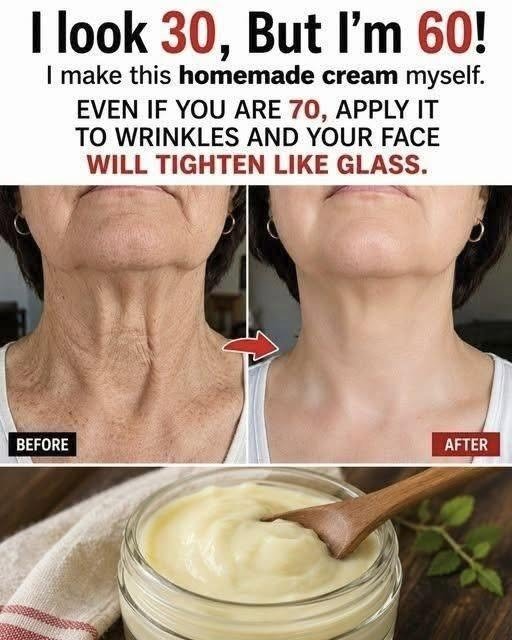
If you mean a baking soda cream for skin glow, here is a detailed explanation and a safer way to use it. Baking soda (sodium bicarbonate) is sometimes used in DIY skincare because it feels exfoliating, but it is alkaline and can disturb your skin’s natural pH, causing dryness, irritation, or worsening sensitivity—especially on the face. Use it cautiously and avoid frequent application.
DIY Baking Soda Skin Cream (Gentle Version)
Ingredients
- 1 teaspoon baking soda
- 2 teaspoons plain yogurt (or aloe vera gel for sensitive skin)
- 1 teaspoon honey
- 2–3 drops coconut oil or a few drops of your usual moisturizer (optional)
How to Make
- Put baking soda in a clean bowl.
- Add yogurt or aloe vera gel slowly.
- Mix until you get a smooth, creamy paste.
- Add honey and mix well.
- Use immediately (do not store this mixture).
How to Apply (Detailed Steps)
- Clean your skin
- Wash your face with a gentle cleanser.
- Pat dry with a soft towel.
- Patch test first
- Apply a small amount behind your ear or on your jawline.
- Wait 24 hours to check for redness, itching, or burning.
- Apply the cream
- Spread a thin layer on your face.
- Avoid:
- Eye area
- Cuts or irritated skin
- Active acne wounds
- Leave it on
- First use: keep it for 3–5 minutes only.
- If your skin tolerates it, you may leave it for up to 10 minutes maximum.
- Remove
- Rinse with lukewarm water.
- Do not scrub while washing it off.
- Moisturize
- Apply a gentle moisturizer afterward.
- Use sunscreen during the day because exfoliated skin can be more sensitive to sunlight.
How Often to Use
- Normal skin: once every 1–2 weeks
- Sensitive or dry skin: avoid or use very rarely
- Do not use daily.
Possible Benefits
- Removes some surface dead skin cells
- May temporarily make skin feel smoother
- Yogurt contains lactic acid, which can provide mild exfoliation
- Honey can help skin feel softer
Avoid This Recipe If You Have
- Eczema
- Rosacea
- Very sensitive skin
- Broken skin
- Severe acne irritation
- A damaged skin barrier (burning/stinging with products)
For a more reliable “natural glow” routine, gentle cleansing, moisturizer, daily sunscreen, and proven ingredients like niacinamide or vitamin C are generally better-supported than baking soda.