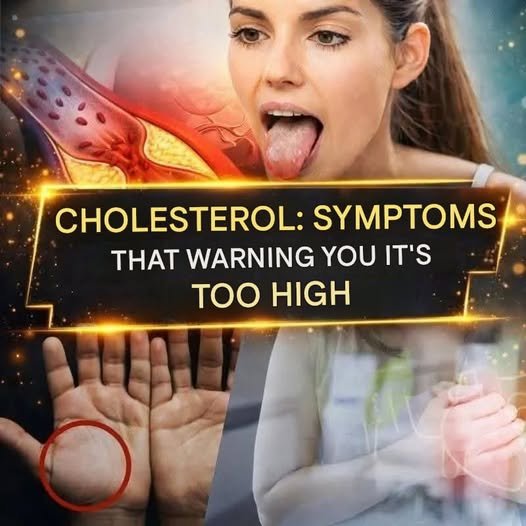
Here are 5 possible symptoms or warning signs associated with dangerously high cholesterol or its effects:
1. Chest pain or pressure (possible heart artery blockage)
When cholesterol builds up inside the arteries that supply blood to the heart, blood flow can become restricted. This may cause:
- Pressure, squeezing, or heaviness in the chest
- Pain spreading to the arm, shoulder, neck, jaw, or back
- Shortness of breath during activity
- Feeling unusually tired with exertion
This can be a warning sign of coronary artery disease. Sudden severe chest pain, especially with sweating, nausea, or breathing difficulty, may indicate a heart attack and requires emergency medical attention.
2. Pain or cramping in the legs while walking (peripheral artery disease)
High cholesterol can cause plaque buildup in the arteries of the legs, reducing blood circulation. Symptoms may include:
- Leg pain or cramps during walking or exercise
- Pain that improves after resting
- Cold feet or lower legs
- Numbness or weakness in the legs
- Slow-healing wounds on the feet
This condition is known as peripheral artery disease (PAD) and can indicate cholesterol-related artery damage.
3. Yellowish deposits around the eyes or skin (xanthomas)
Very high cholesterol levels, especially due to genetic conditions, can cause fatty deposits under the skin.
Possible signs include:
- Yellow patches around the eyelids (xanthelasma)
- Yellowish bumps over tendons (such as the Achilles tendon or hands)
- Small fatty lumps under the skin
These deposits do not always occur, but when present they may suggest unusually high cholesterol.
4. Stroke warning symptoms (from blocked blood vessels)
Cholesterol plaque can narrow or block arteries supplying the brain, increasing stroke risk.
Warning signs include:
- Sudden weakness or numbness on one side of the body
- Trouble speaking or understanding speech
- Sudden dizziness or loss of balance
- Vision problems
- Severe sudden headache
A stroke is an emergency. Immediate medical care is critical.
5. No symptoms at all (the most common “sign”)
The most important warning is that high cholesterol usually feels normal. A person can have very high LDL (“bad”) cholesterol while feeling completely healthy.
Regular cholesterol testing is the only reliable way to know your levels. A lipid panel typically measures:
- LDL cholesterol: “bad” cholesterol that can build up in arteries
- HDL cholesterol: “good” cholesterol that helps remove cholesterol from the bloodstream
- Triglycerides: another type of blood fat
- Total cholesterol
When to get checked
Cholesterol testing is especially important if you have risk factors such as:
- Family history of high cholesterol or early heart disease
- High blood pressure
- Diabetes
- Smoking
- Excess body weight
- Low physical activity
- Diet high in saturated or trans fats
Ways to help lower cholesterol
- Eat more vegetables, fruits, whole grains, beans, and nuts
- Choose healthy fats (such as olive oil, fish, and unsaturated fats)
- Reduce saturated fats (fatty meats, butter, full-fat dairy) and trans fats
- Exercise regularly
- Maintain a healthy weight
- Avoid smoking
- Take prescribed cholesterol medicines if recommended by a healthcare professional
If you want, I can also provide “5 signs your cholesterol is dangerously high + normal cholesterol levels by age” in detail.