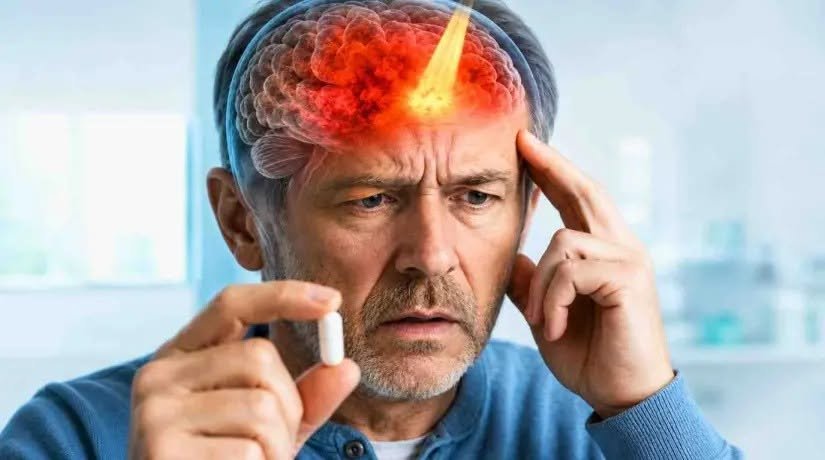
The headline refers to gabapentin, a commonly prescribed medicine for nerve pain (neuropathic pain) and seizures. Some news reports say it is linked with a 29% higher risk of dementia, but the finding needs careful interpretation.
What is gabapentin?
Gabapentin is a medication originally developed for epilepsy but widely used for:
- Diabetic nerve pain
- Nerve pain after shingles
- Sciatica and some chronic pain conditions
- Fibromyalgia (in some cases)
- Seizure disorders
It is sold under brand names such as Neurontin and many generic versions.
What did the “29% higher dementia risk” study find?
A large observational study looked at people with chronic low-back pain and compared those who received gabapentin prescriptions with those who did not. Researchers reported that people who had six or more gabapentin prescriptions had:
- 29% higher risk of being diagnosed with dementia over about 10 years
- 85% higher risk of mild cognitive impairment (MCI), a condition involving memory and thinking problems that can sometimes progress to dementia
Does this prove gabapentin causes dementia?
No. The study shows an association, not proof of cause and effect. There are several possible explanations:
- People taking gabapentin may have more severe chronic pain, and chronic pain itself may be linked to higher dementia risk.
- Other health problems, medications, sleep problems, reduced activity, or inflammation may contribute.
- Observational studies can identify patterns but cannot fully prove that one drug caused the outcome.
Why might gabapentin affect thinking?
Gabapentin acts on nerve signalling in the brain. Known short-term side effects can include:
- Sleepiness
- Dizziness
- Slower thinking
- Confusion (especially in older adults)
- Problems with balance
These effects can sometimes look like cognitive decline, particularly in people who are older or taking multiple medicines.
Should people stop taking gabapentin?
Do not stop suddenly without medical advice. Abrupt stopping can cause withdrawal symptoms and may increase seizure risk in people taking it for epilepsy.
A doctor may review:
- Whether gabapentin is still needed
- The dose
- Other medicines that may worsen drowsiness or confusion
- Alternative pain treatments
Who should be especially cautious?
Doctors often pay closer attention in people who:
- Are older adults
- Have existing memory problems
- Take opioids, sleeping pills, or sedatives
- Have kidney problems (gabapentin is cleared through the kidneys)
Bottom line
The evidence suggests a possible link between long-term gabapentin use and cognitive problems, including dementia diagnoses, but it does not prove that gabapentin directly causes dementia. People taking it should discuss risks and benefits with their healthcare professional rather than stopping it on their own.
If you tell me your age, why you take gabapentin (nerve pain, back pain, seizures, etc.), your dose, and how long you have taken it, I can explain how the research applies more specifically.