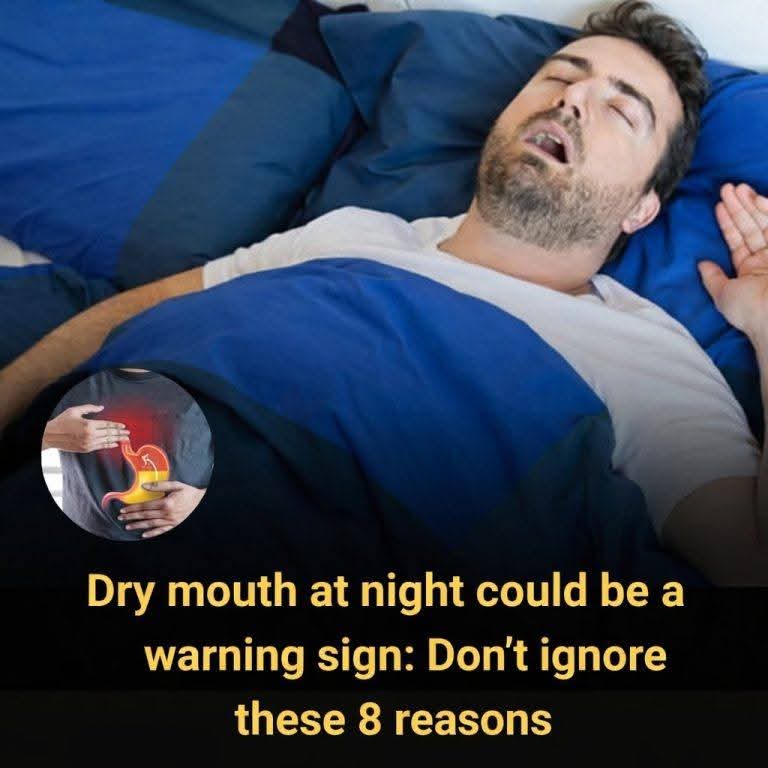
Dry mouth at night (also called nocturnal dry mouth) is common and is often caused by mouth breathing, dehydration, medications, or certain medical conditions. Occasional dryness is usually not serious, but persistent dry mouth can sometimes signal an underlying problem.
8 Warning Signs That Dry Mouth May Need Medical Attention
1. Persistent Dryness Every Night
Warning sign: Your mouth feels dry most nights for several weeks or longer.
Why it matters:
May indicate reduced saliva production.
Can be related to medications, diabetes, autoimmune conditions, or chronic mouth breathing.
2. Difficulty Swallowing or Speaking
Warning sign:
Food feels difficult to swallow.
Your tongue sticks to the roof of your mouth.
Your voice becomes hoarse or weak.
Why it matters: Saliva helps lubricate the mouth and throat. Significant dryness can interfere with normal speech and swallowing.
3. Frequent Thirst During the Night
Warning sign:
Waking repeatedly to drink water.
Excessive thirst along with dry mouth.
Why it matters: This can occur with dehydration but may also be associated with conditions such as Type 2 Diabetes or other disorders affecting fluid balance.
4. Bad Breath That Doesn’t Improve
Warning sign:
Persistent bad breath despite brushing and flossing.
Why it matters: Saliva helps control bacteria. Reduced saliva can allow odor-producing bacteria to grow more easily.
5. Increased Cavities or Gum Problems
Warning sign:
New cavities appearing frequently.
Bleeding gums or gum disease.
Why it matters: Saliva protects teeth by neutralizing acids and washing away food particles. Chronic dry mouth increases the risk of dental problems.
6. Burning Mouth or Tongue
Warning sign:
Burning, tingling, or soreness of the tongue or mouth.
Sensitivity to spicy or acidic foods.
Why it matters: Dry oral tissues can become irritated and uncomfortable.
7. Snoring or Sleeping With an Open Mouth
Warning sign:
Waking with an extremely dry mouth.
Loud snoring or observed pauses in breathing.
Why it matters: Mouth breathing and conditions such as Obstructive Sleep Apnea can contribute to nighttime dryness and may warrant evaluation.
8. Dry Eyes, Joint Pain, or Other Body Symptoms
Warning sign:
Dry eyes along with dry mouth.
Fatigue, joint pain, or swelling.
Why it matters: A combination of symptoms may suggest an autoimmune condition such as Sjögren’s Syndrome, which affects moisture-producing glands.
Common Causes of Nighttime Dry Mouth
Not drinking enough fluids
Sleeping with your mouth open
Nasal congestion or allergies
Smoking or tobacco use
Alcohol consumption
Certain medications (antihistamines, antidepressants, blood pressure medicines, etc.)
Diabetes
Sleep apnea
Autoimmune disorders
What You Can Do
Drink adequate water throughout the day.
Avoid alcohol before bed.
Use a humidifier in the bedroom.
Treat nasal congestion if present.
Limit caffeine late in the day.
Maintain good oral hygiene.
Discuss medication side effects with your healthcare provider if dryness began after starting a medicine.
When to See a Doctor
Consider medical evaluation if:
Dry mouth lasts more than a few weeks.
You have significant thirst, weight changes, or frequent urination.
You snore heavily or may have sleep apnea.
You develop dental problems, difficulty swallowing, or dry eyes along with dry mouth.
Can you tell me:
Your age?
How long you’ve had the nighttime dry mouth?
Whether you snore or breathe through your mouth while sleeping?
Whether you have diabetes or take any medications?
Those details can help narrow down the most likely causes.