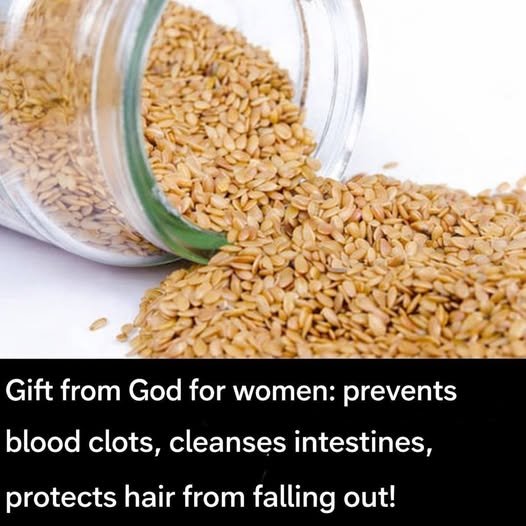
Here is what the evidence actually tells us:
1. “Prevents blood clots”
Blood clots—particularly deep-vein thrombosis (DVT) and pulmonary embolism—can be serious. Risk is influenced by factors such as previous clots, prolonged immobility, smoking, obesity, pregnancy/postpartum status, estrogen-containing contraceptives or hormone therapy, certain illnesses, and inherited clotting disorders.
Healthy habits can reduce risk:
- Stay physically active and avoid sitting for very long periods.
- During long journeys, get up and move/stretch your legs regularly.
- Don’t smoke.
- Maintain a healthy weight.
- Discuss your individual clot risk with a healthcare professional if you take estrogen-containing birth control or hormone therapy.
- If you’ve previously had a blood clot, ask your doctor about appropriate prevention.
Important: Don’t take an herb or “natural blood thinner” specifically to prevent clots without medical advice. Some supplements can interact with anticoagulant medicines and potentially increase bleeding.
2. “Cleanses the bowels”
Your digestive system already has mechanisms for eliminating waste. There is not good evidence that commercial “detox” drinks, herbal cleanses, enemas, or colon cleanses remove toxins from a healthy person’s body. The National Center for Complementary and Integrative Health notes that evidence for detox/cleanse programs is limited and that colon cleansing can sometimes cause significant side effects.
For normal bowel health, a better approach is:
- Eat plenty of fiber from vegetables, fruits, beans, whole grains, nuts, and seeds.
- Drink adequate fluids.
- Exercise regularly.
- Respond to the urge to have a bowel movement rather than routinely holding it.
- If constipation persists, discuss it with a healthcare professional.
If someone has severe abdominal pain, vomiting, blood in the stool, unexplained weight loss, or persistent changes in bowel habits, they should seek medical evaluation rather than relying on a “cleanse.”
3. “Protects hair from hair loss”
There isn’t one food or drink that can reliably prevent hair loss in all women. Female-pattern hair loss is very common, but hair loss can also result from thyroid problems, hormonal changes, nutritional deficiencies, medications, autoimmune conditions, scalp disease, tight hairstyles, illness, and other causes.
Nutrition does matter. In particular, inadequate iron, protein, zinc, or biotin can contribute to hair loss. But taking large amounts of supplements isn’t automatically beneficial—excessive amounts of some nutrients can actually worsen hair loss.
For female-pattern hair loss, minoxidil is one evidence-based treatment, but it isn’t appropriate for everyone, including women who are pregnant or planning pregnancy. A dermatologist can determine the actual cause before treatment is started.
So what might the viral claim be referring to?
If you saw this headline attached to a specific food, fruit, herb, seed, or drink, tell me its name or paste the full post here. I can explain exactly what that particular substance is supposed to do, what the scientific evidence says about blood clots, bowel health, and women’s hair, and whether there are any safety concerns.